Alma Ted vs PRP
Alma TED is the comfortable one. A handpiece uses ultrasound to push a serum through the scalp, with no needles, no numbing and no downtime. PRP is the one with the evidence. Your blood is spun down and the platelet-rich part is injected into your scalp, which stings and leaves you tender for a day. Both work best on early thinning, and neither is a cure. Stop going and the benefit fades.
What happens in the room
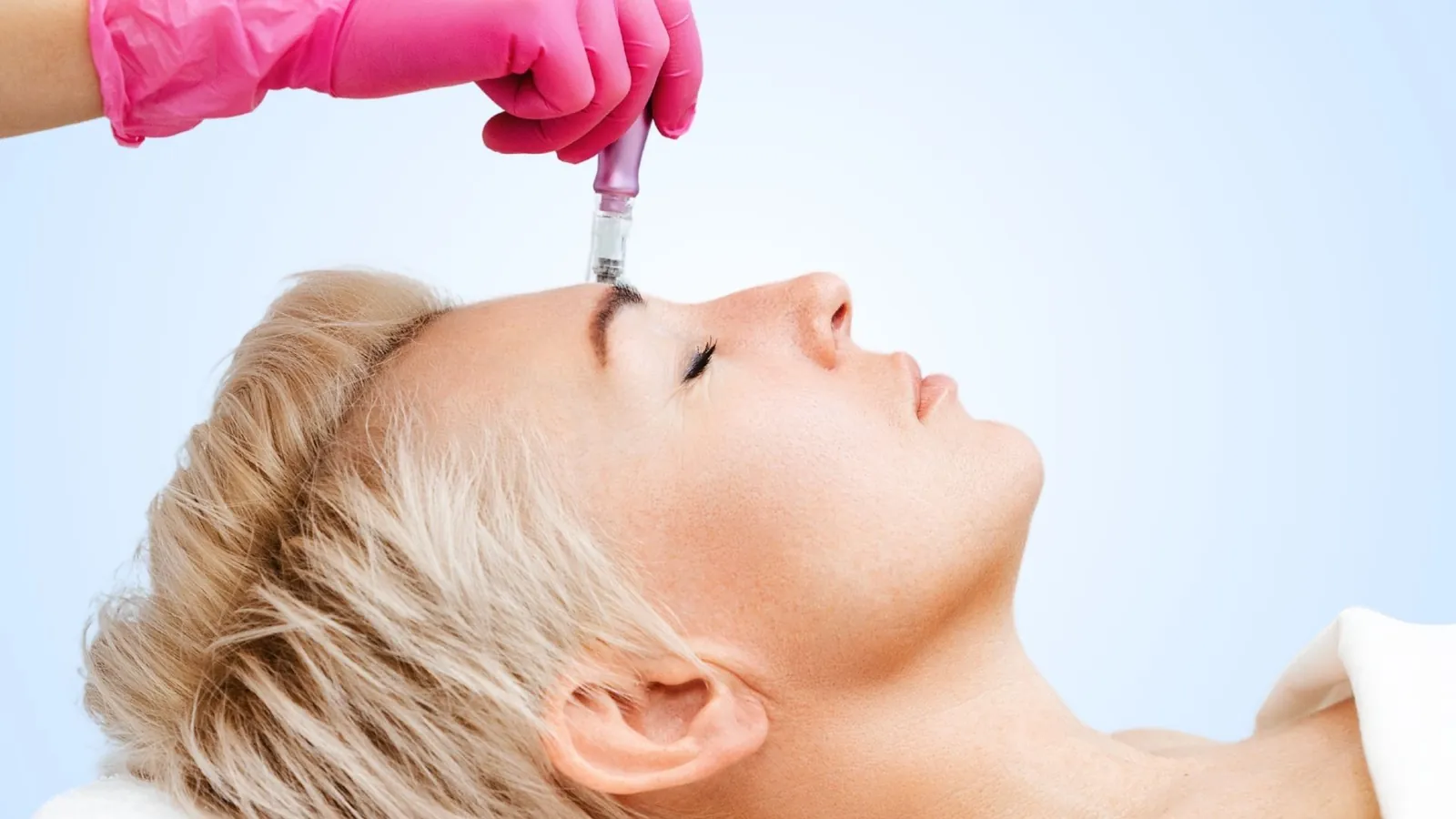
A serum is applied, then ultrasound and air pressure open temporary channels in the skin to carry it in. It takes about twenty to thirty minutes and nothing pierces the skin.
Blood is taken from your arm and spun in a centrifuge to separate the platelet-rich plasma. That is injected across the thinning area in a grid.
Does it hurt
Most people describe a warm buzzing. No numbing cream is needed.
Numbing cream or cold air takes the edge off, but scalp injections sting. The scalp usually feels tight or sore for a day.
The course
Then a top-up every three to four months to hold it.
Then one or two maintenance sessions a year.
How soon you notice
Less shedding is often the first thing people report.
Shedding tends to settle first, with visible thickening later in the course.
How strong the evidence is
The published work is small, short and largely funded by the company that sells the device. That is not the same as it not working. It means nobody independent has tested it much yet.
PRP has been studied for around two decades, across dozens of randomised trials, and pooled reviews find a real effect of moderate quality. Clinics prepare and inject it differently, so results still vary a lot between providers.
Downtime
You can wash your hair and go back to work.
Tenderness, sometimes mild swelling. Most clinics ask you to leave the scalp alone until the next day.
What it will not do
It is aimed at hair that has gone fine, not scalp that has gone bare.
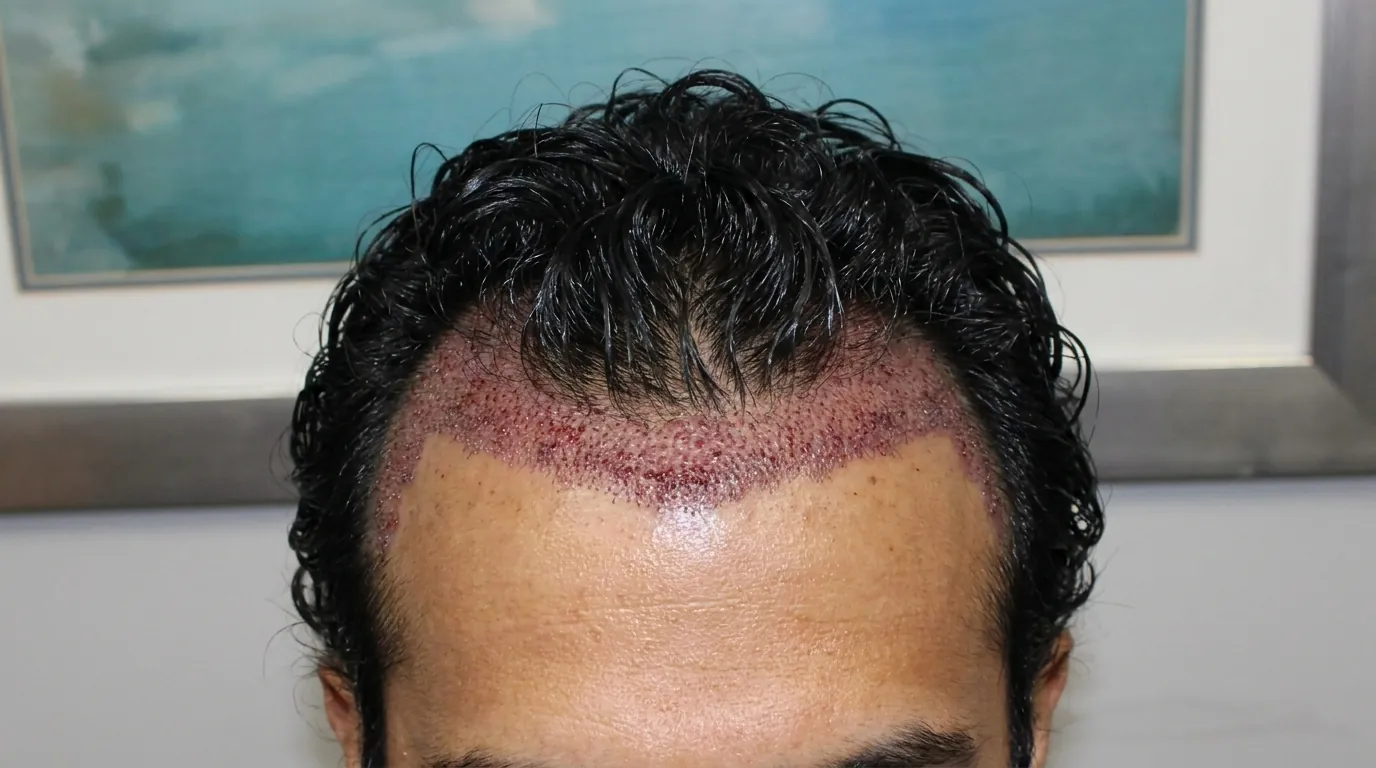
It is sometimes used before or after a transplant to support the surrounding hair, not instead of one.
Cost
Priced like a clinic facial rather than a procedure, then repeated a few times a year.
Plus maintenance visits. Ask for the first-year total, not the single-session price.
The at-home or drugstore version
A derma roller with a serum is not this. It makes physical holes with needles rather than opening the skin with ultrasound, and the depth and control are nothing like the clinic device.
You cannot spin your own blood. The at-home equivalent of both is minoxidil, which is cheap, sold over the counter, and has far more evidence behind it than either of these.
Who each suits
What both of these are actually trying to do
Both aim to wake up follicles that are shrinking, not dead: In pattern hair loss, follicles get smaller with each cycle and the hair they make gets finer. The goal is to slow that down and push more follicles back into a growing phase.
That is why both are sold as courses: One visit does not change a hair cycle. A hair cycle takes months, which is why every protocol involves three or four visits and then repeats.
It is also why both fade: Neither changes the reason your hair is thinning, so the follicles carry on as they were once you stop.
The evidence gap, stated plainly
PRP has the deeper record: It has been used on hair for around twenty years, across many randomised trials, and reviews that pool those trials find a real effect. The catch is that clinics prepare it differently, so the PRP in one office is not the PRP in another.
Alma TED has the thinner record: The studies are small, follow-up is short, and most are linked to the manufacturer. Company-funded studies are not automatically wrong, but they are the weakest kind to buy on.
Being newer is not a fault, and being needle-free is a genuine advantage: Plenty of people never start PRP because of the injections, and a treatment you actually complete beats one you avoid. Just go in knowing you are paying for something less proven.
Neither replaces the ordinary treatments
Minoxidil and finasteride are still the backbone: They are cheaper, better studied and used daily. Most dermatologists treat TED and PRP as something you add on top, not something you swap in.
Ask what the whole plan is: A clinic that offers a course of scalp treatments and never mentions the everyday options is selling you half an answer.
Also ask why you are losing hair: Thyroid problems, low iron and some scarring conditions cause hair loss and need different treatment. A blood test before a course of anything is reasonable.
Before you book
Ask how many sessions the plan is and what a full year costs.
Ask to see the clinic's own before and after photos, taken in the same light and the same part.
Ask what they will do if there is no change after the first course.
If your hair loss started suddenly or in patches, ask for a diagnosis before you pay for a course.
%2520-%2520Render.webp)