Aloe Vera Gel vs Aloe Vera Lotion
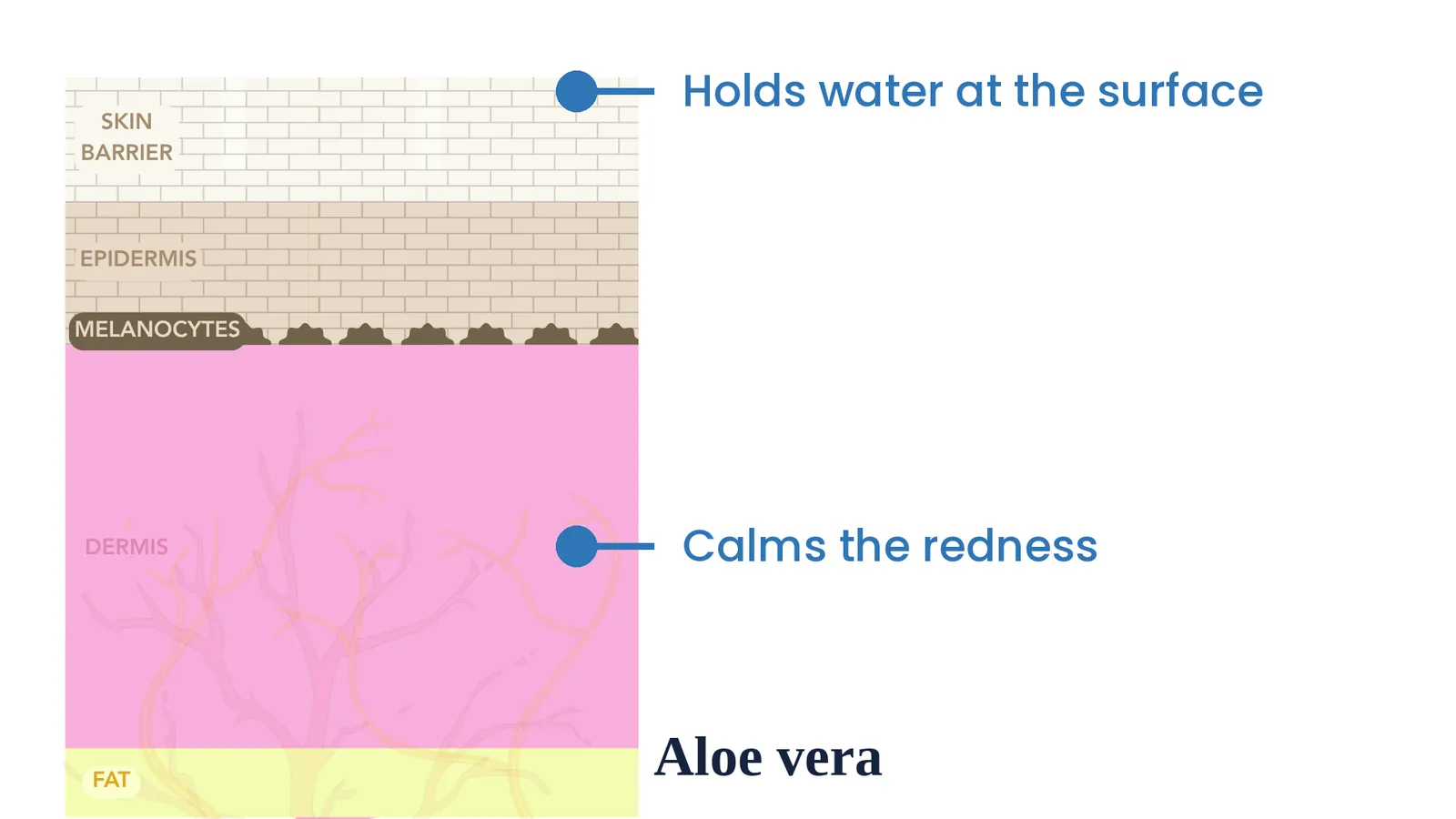
Aloe vera gel is mostly water and aloe. It sinks in fast, cools on contact, then evaporates and leaves nothing behind. Aloe vera lotion adds oils and emollients. Those stay on the skin and hold water in. Gel for immediate cooling after sun or heat. Lotion for skin that is genuinely dry.
What is in it
The gel from inside the leaf, thickened so it spreads. Often a preservative and, in many drugstore versions, alcohol and green dye.
The same aloe, mixed into a base of oils, butters or glycerin, with a bit of wax to hold it together.
How it feels going on
It is noticeably cool, sits on top for a minute, then dries down. Some brands leave a slight sticky film.
Absorbs more slowly and leaves the skin feeling soft rather than tight.
What it is good for
The cooling is real and immediate. It suits hot, stinging skin, and it is comfortable on skin that hurts to touch.
Elbows, shins, hands and anywhere that gets tight after washing. It is a day-to-day moisturizer.
What it will not do
There is almost no oil in it, so water evaporates straight back out. On dry skin, gel alone can leave you drier than before.
A lotion warms to skin temperature quickly. On a sunburn it feels heavy rather than soothing.
How long the effect lasts
The cooling fades as it dries. Reapply as often as you like.
The oils stay on the surface and keep slowing water loss.
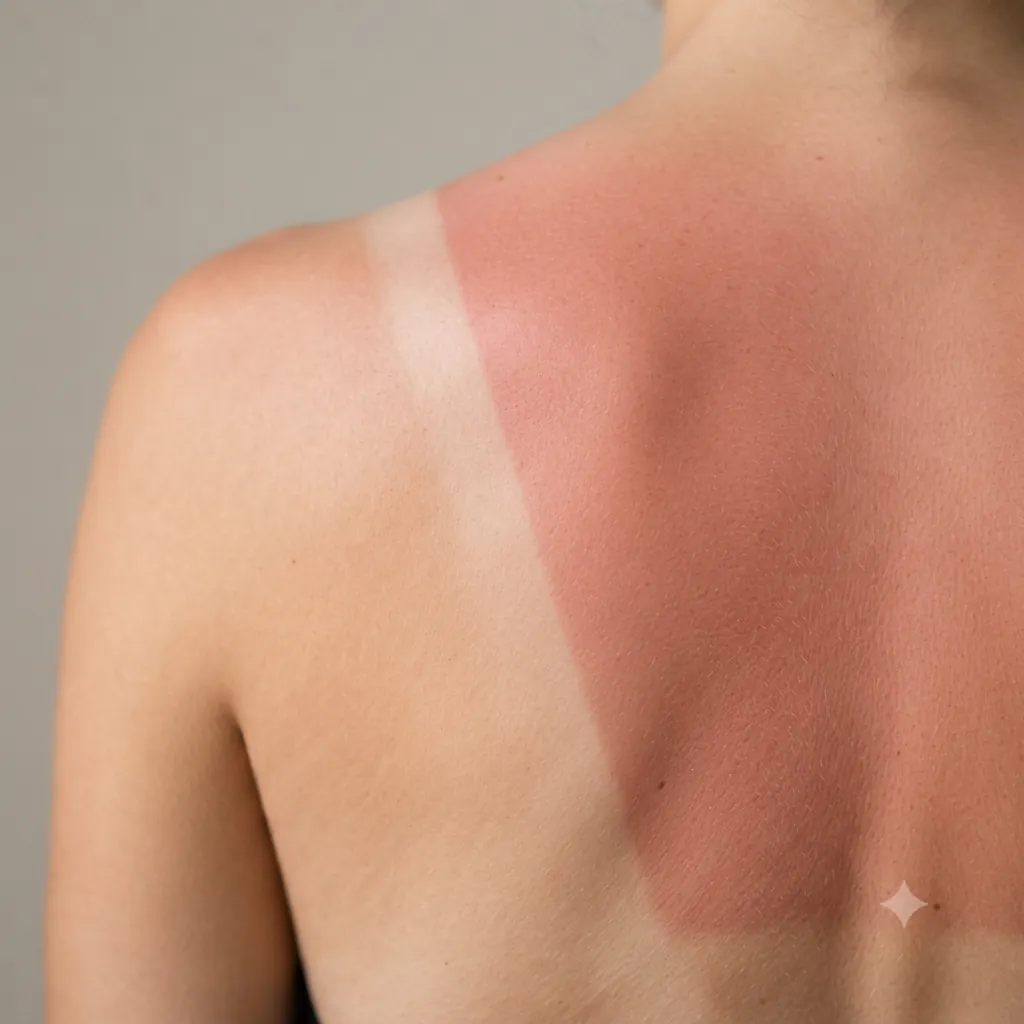
After a sunburn
Cool, light and easy to reapply on skin that is too sore to rub.
Once the heat has gone and the skin starts to peel and tighten, a lotion is what stops the flaking.
The downside
Alcohol dries skin further, and the green colour is added, not natural. Cheap gels can also flake off in little rolls.
Scented lotions are a common cause of irritation on already-inflamed skin. It also feels greasy in hot weather.
Cost
A large bottle costs a few dollars.
Priced like any other body lotion.
Cooling and moisturizing are two different jobs
Cooling is evaporation: A water-based gel takes heat with it as it dries. That is why it feels so good on a sunburn, and it is also why the effect is over in minutes.
Moisturizing is sealing: A lotion leaves a thin layer of oil on the surface that slows water escaping from the skin below. That is a slower, quieter effect that lasts for hours.
Aloe itself is the same in both: It is soothing and it holds a little water. What changes is the base it is carried in, and the base is what decides how the product behaves.
Pure aloe gel can leave dry skin drier
Water on skin is not the same as water in skin: Spreading a water gel over dry skin wets the surface. When that water evaporates, it can take some of the skin's own moisture with it.
So gel alone is the wrong tool for dry skin: People with eczema, dry shins or cracked hands often find aloe gel feels lovely and then leaves them tighter twenty minutes later.
The fix is simple: Put the gel on first if you want the cooling, then a moisturizer over the top while the skin is still slightly damp. The moisturizer seals in what the gel put down.
Check the label before you buy
Many drugstore aloe gels contain alcohol: It helps the product feel light and dry fast. It also dries skin, and it stings on broken or sunburnt skin. Look for alcohol-free on the front.
The bright green colour is a dye: Real aloe gel is close to clear. The colour is there because shoppers expect it, and added dye is one more thing that can irritate sensitive skin.
Fragrance is the other one to watch: On sunburnt, itchy or broken skin, unscented is the safer choice in both the gel and the lotion.
The easy answer
Buy both if you use them for different things: Alcohol-free gel for hot weather, sunburn and itchy bites. Unscented aloe lotion for daily dry skin.
If you only want one, buy the lotion: Dry skin is a year-round problem and sunburn is not. A lotion also does a passable job on a mild burn once the heat has settled.
Neither one is a treatment: For a burn that blisters, for eczema, or for a rash that keeps returning, aloe makes the skin more comfortable without fixing the problem.