Diamond Glow vs HydraFacial
Diamond Glow buffs the skin with a diamond-coated tip, then presses a serum in. It suits rough texture, clogged pores and dull skin. Hydrafacial loosens the same debris with a swirl of water and mild acid, then vacuums it out. It is the gentler of the two, so it suits skin that reacts easily. Nobody has tested the two against each other, and for most people the person holding the wand matters more than the brand on the machine.
What actually happens
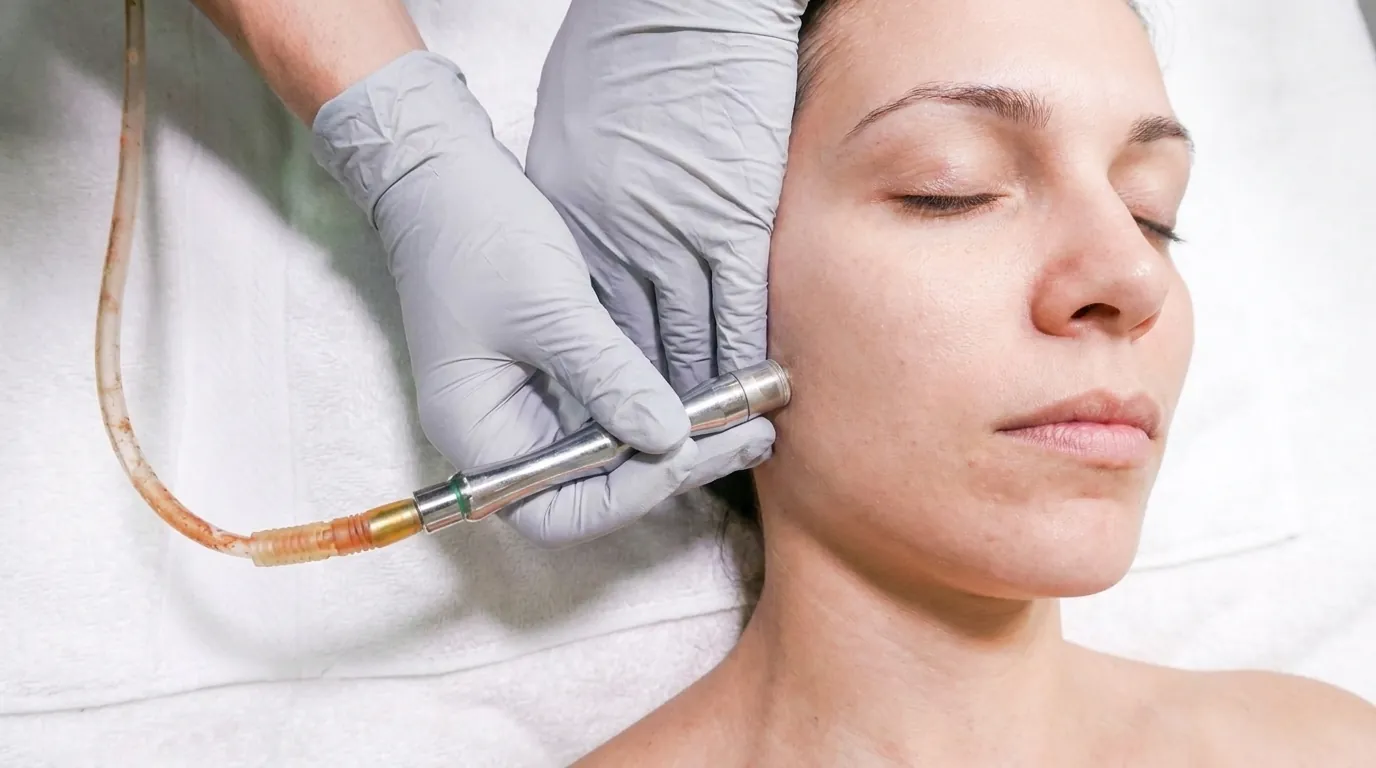
The tip is gritty, like very fine sandpaper. Suction lifts away what comes loose. A serum goes on through the same handpiece. There are several tips, so the provider can go light or firm.
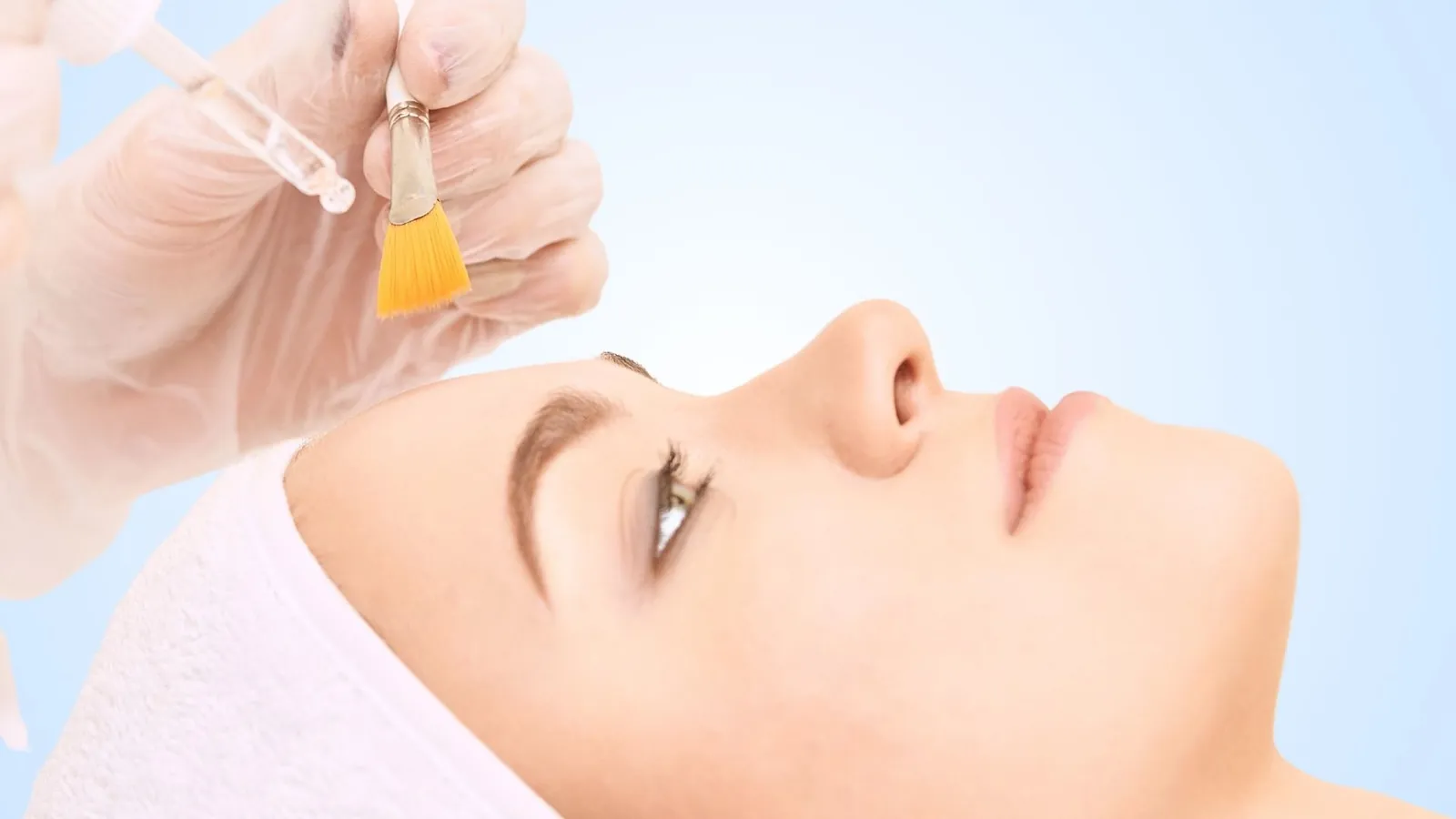
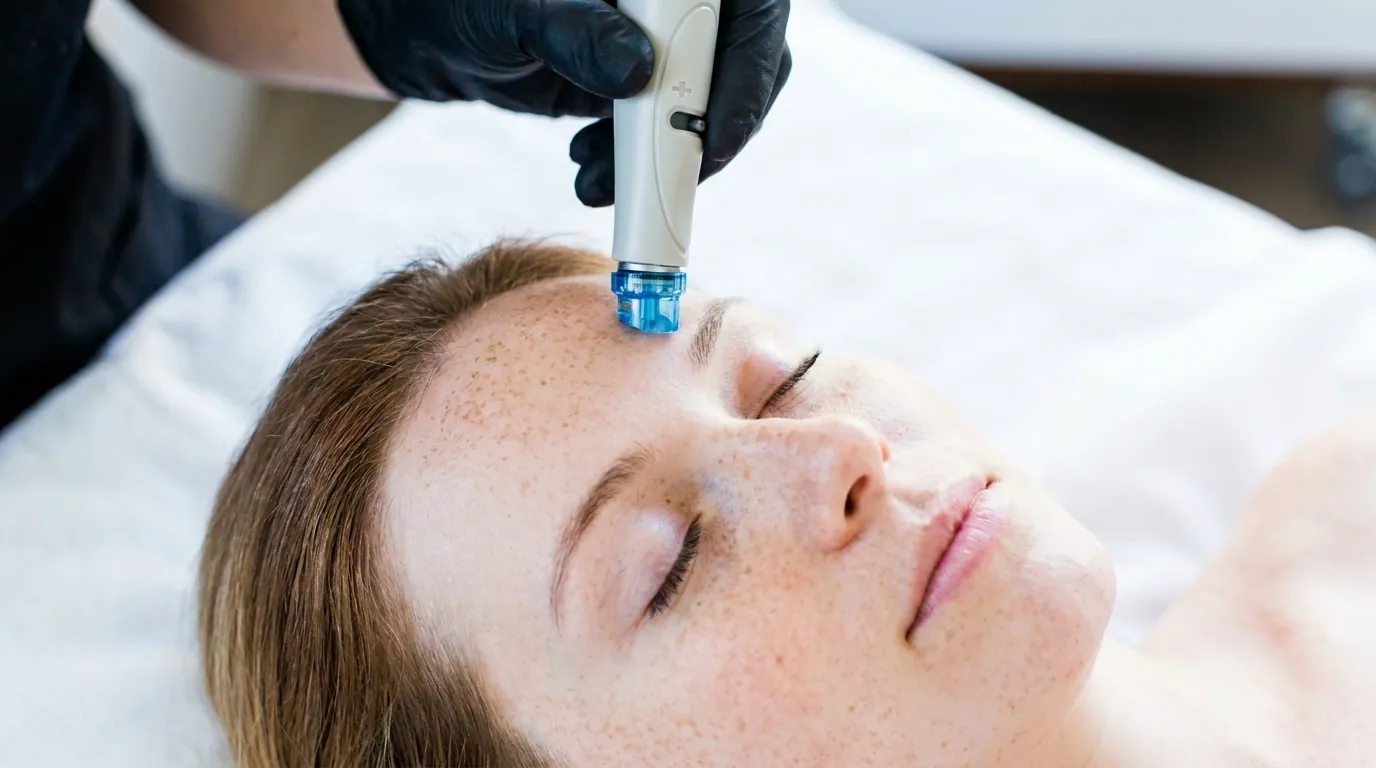
A spiral tip spins fluid onto the skin. It carries a mild glycolic and salicylic acid mix that softens the plug in a pore, then suction pulls it out. A serum finishes it.
What you will see
Pores look cleaner. Makeup sits better. The change is real but it is a surface change.
The same clean, polished look, with more emphasis on hydration than on polish.
What it will not do
It works on the top layer. Deep lines, indented acne scars and loose skin are not on its list.
Same limit. It also will not clear acne on its own, though a course can help alongside real acne treatment.
How long it lasts
The glow is strongest for about a week, then fades as skin turns over.
Same pattern. Both are maintenance, not a one-off fix.
How it feels, and downtime
Most people find it comfortable. Some redness and tightness for a few hours is normal. You can go straight back to work.
Usually the more relaxing of the two. Brief redness at most. Skip heavy exercise and makeup for the rest of the day.
How many visits
For a specific concern, a course of four to six, about a month apart.
Same rhythm. For active breakouts some clinics run a shorter series, every two weeks.
Cost
Ask what a course costs, not just one visit.
Often sold in packages. The add-on serums and boosters change the price a lot.
The at-home or drugstore version
Real, but weaker. It has far less suction and a blunter tip, so it polishes the very top of the skin and cannot clear a pore the way a clinic device does.
A different thing wearing the same name. These have suction but no fluid spiral and no acid, so nothing is softening the plug before it is pulled. Bruising is the usual outcome of trying harder.
Who each suits
Why the two feel so alike
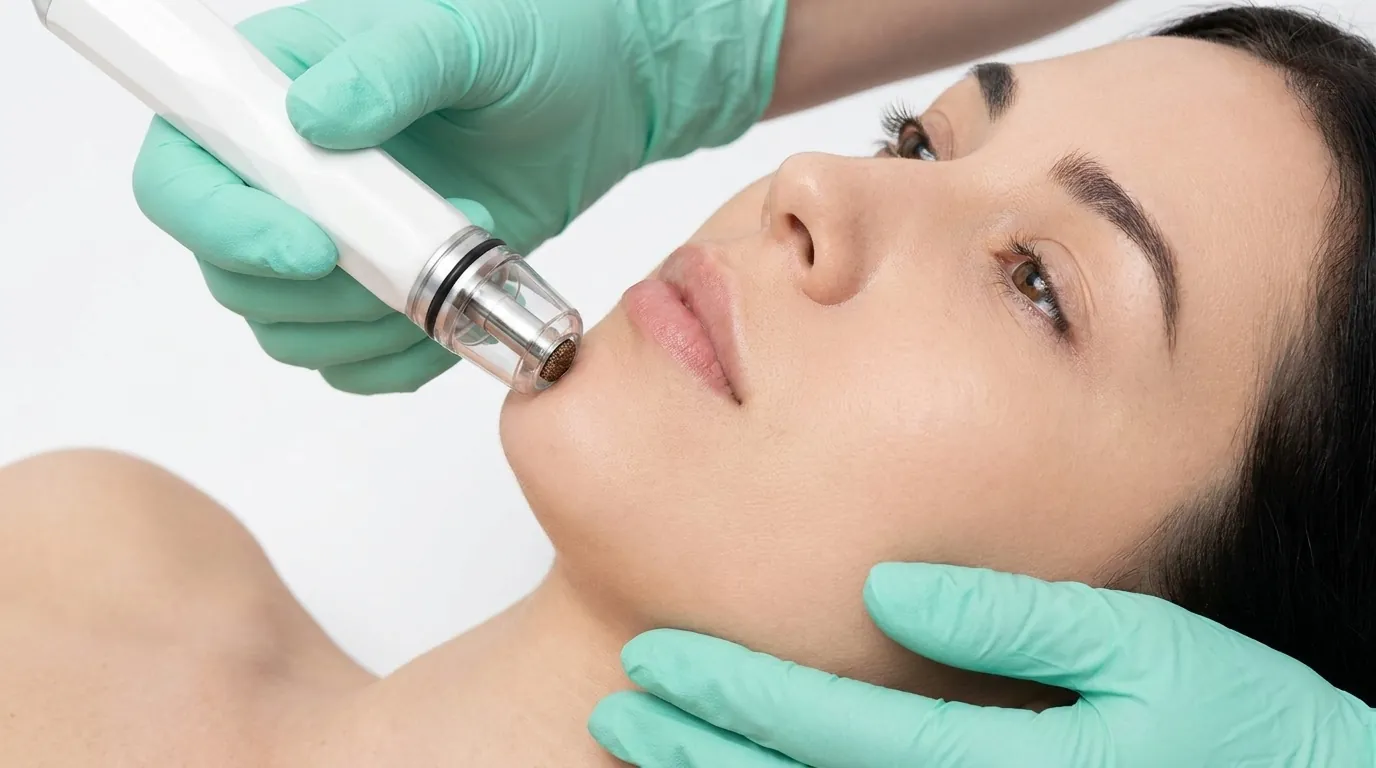
Both are doing three jobs in one appointment: exfoliate, extract, then apply a serum: That order is the whole treatment. Every branded facial of this type is a variation on it.
The difference is only in step one: Diamond Glow abrades the surface. Hydrafacial dissolves and floats it off. By step three, both are pushing a serum into skin that has just had its dead top layer taken away, which is the real reason the serum works better than it would at home.
Neither brand has strong published evidence behind it: There is some small research on hydradermabrasion, and manufacturer studies on both. None of it is large, none of it is independent, and no study has put the two side by side. Anyone who tells you one is proven better than the other is going past what is known.
What neither one does
Neither one treats a wrinkle, a scar or sagging skin: Both work at the top layer, which is millimetres above where those problems sit. If that is your goal, the honest answers are retinoids, resurfacing lasers, microneedling or surgery.
Neither one is acne treatment: A course of either can help with blackheads and congestion, and some people with mild breakouts do well. But cystic or persistent acne needs medication, and a monthly facial is not a substitute for it.
The part that actually decides your result
The provider matters more than the machine: Both devices have settings, tips and pressure. A careful, trained aesthetician who reads your skin and adjusts will get you a better result on the weaker device than a rushed one will on the stronger.
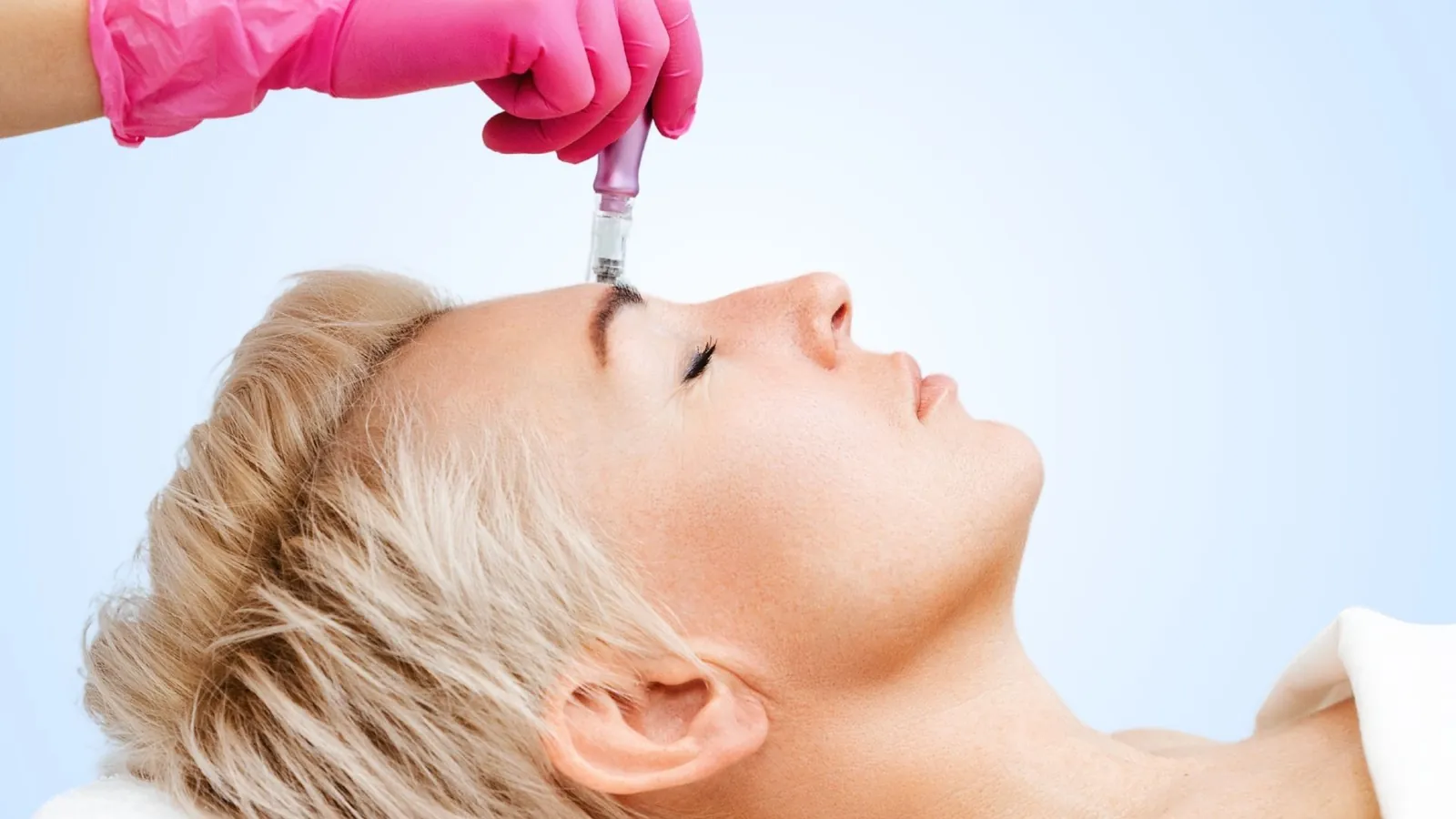
The serum matters almost as much: Both systems run a menu of add-ons: hydrating, brightening, clarifying, anti-ageing. Which one they choose for your skin is a bigger lever than the brand of wand. Ask what is going on your face and why.
Availability decides the rest: These are close enough that travelling across town for one over the other makes no sense. Book with the clinic you trust, and use whichever machine they own.
Before you book
Ask which serum they plan to use and what it is for.
Say if your skin flushes or stings easily. Both can be dialled down.
Ask about the total cost of a course, not one session.
If you have an event, book at least a week before. Both look best a few days out, not on the day.
If you use a retinoid or acid at home, ask when to stop and when to restart.