IPL vs BBL
IPL is a category of light treatment, not one machine. It flashes broad-spectrum light at the skin to fade brown spots and calm redness. BBL is one brand of IPL, made by a company called Sciton, and it is not a different technology. BBL devices tend to cool the skin better and hold their power steadier than older IPL units, but who sets the dials matters more than the badge on the machine.
What it actually is
Dozens of machines from different makers are all called IPL. They range from excellent to badly maintained.
BBL is an IPL. Sciton sells it under its own name, so clinics market it as if it were separate.
What it is best at
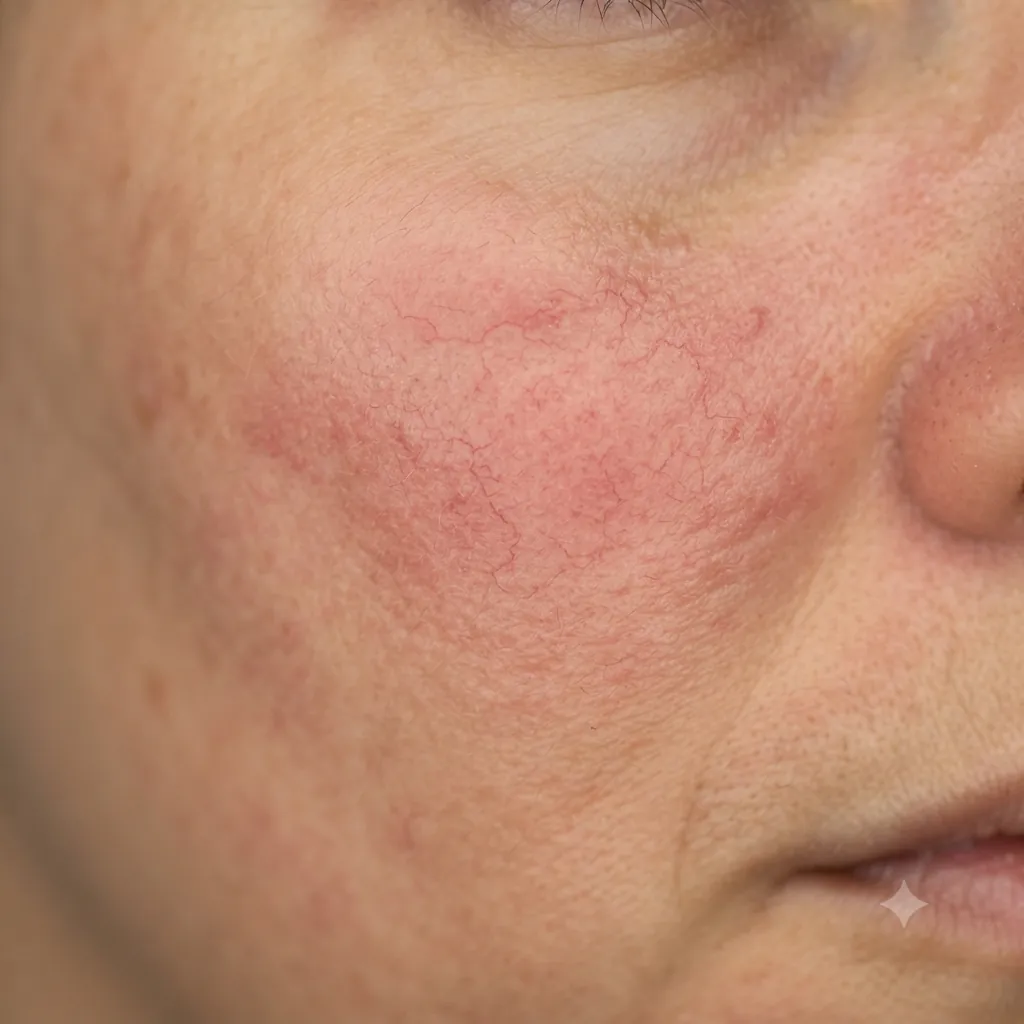
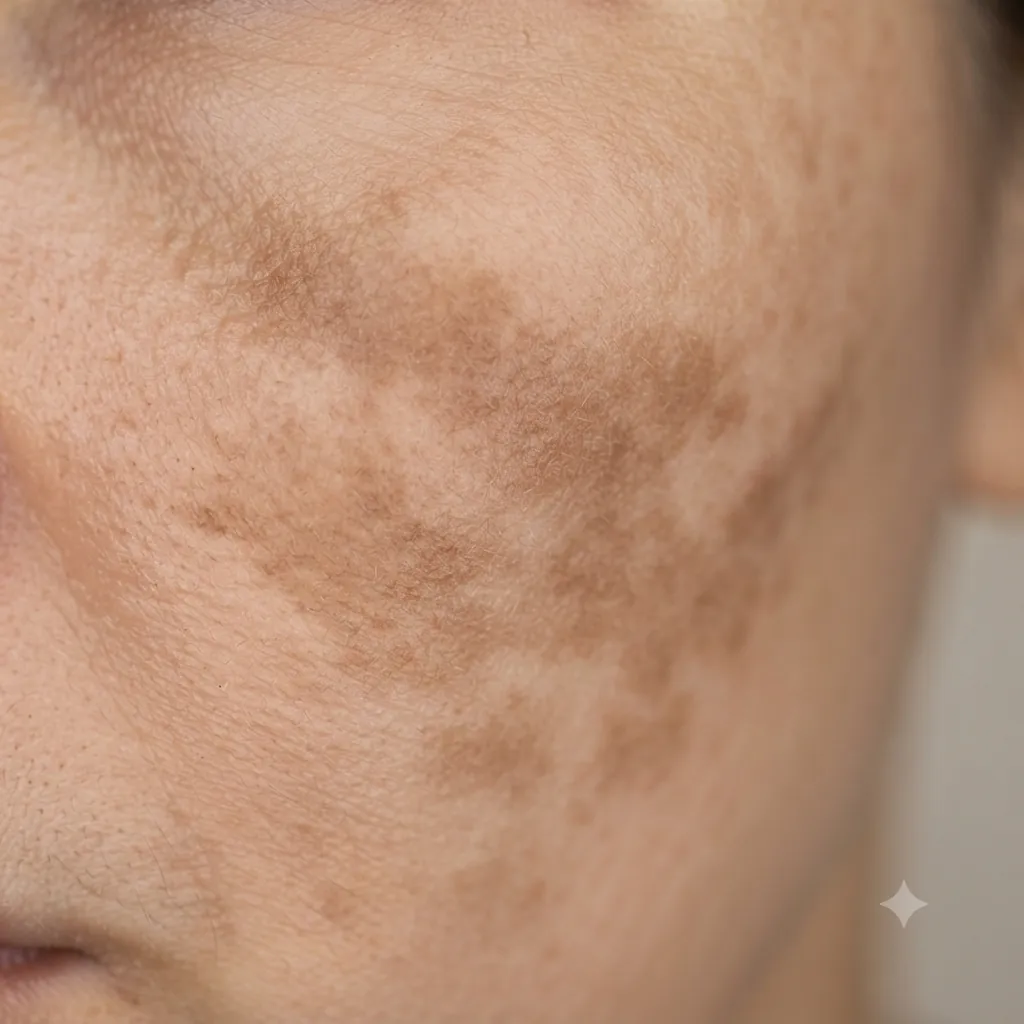
Sun spots, freckling, broken capillaries and the flushed look of rosacea.
The same list. A BBL is aimed at the same two targets in the skin: pigment and blood vessels.
What you will see
Treated spots go darker and coffee-coloured for about a week, then shed. Redness fades more gradually.
Identical, because the light is doing the same job.
What it will not fix
It works on colour, not on texture. Deep lines and acne scars need a resurfacing laser or microneedling.
Same limits. Collagen change from repeated sessions is real but modest, and it is not a face lift.
How long until it works
Most people need a course of three to five, spaced four to six weeks apart.
Usually three to five sessions as well, on the same spacing.
How long it lasts
What it feels like
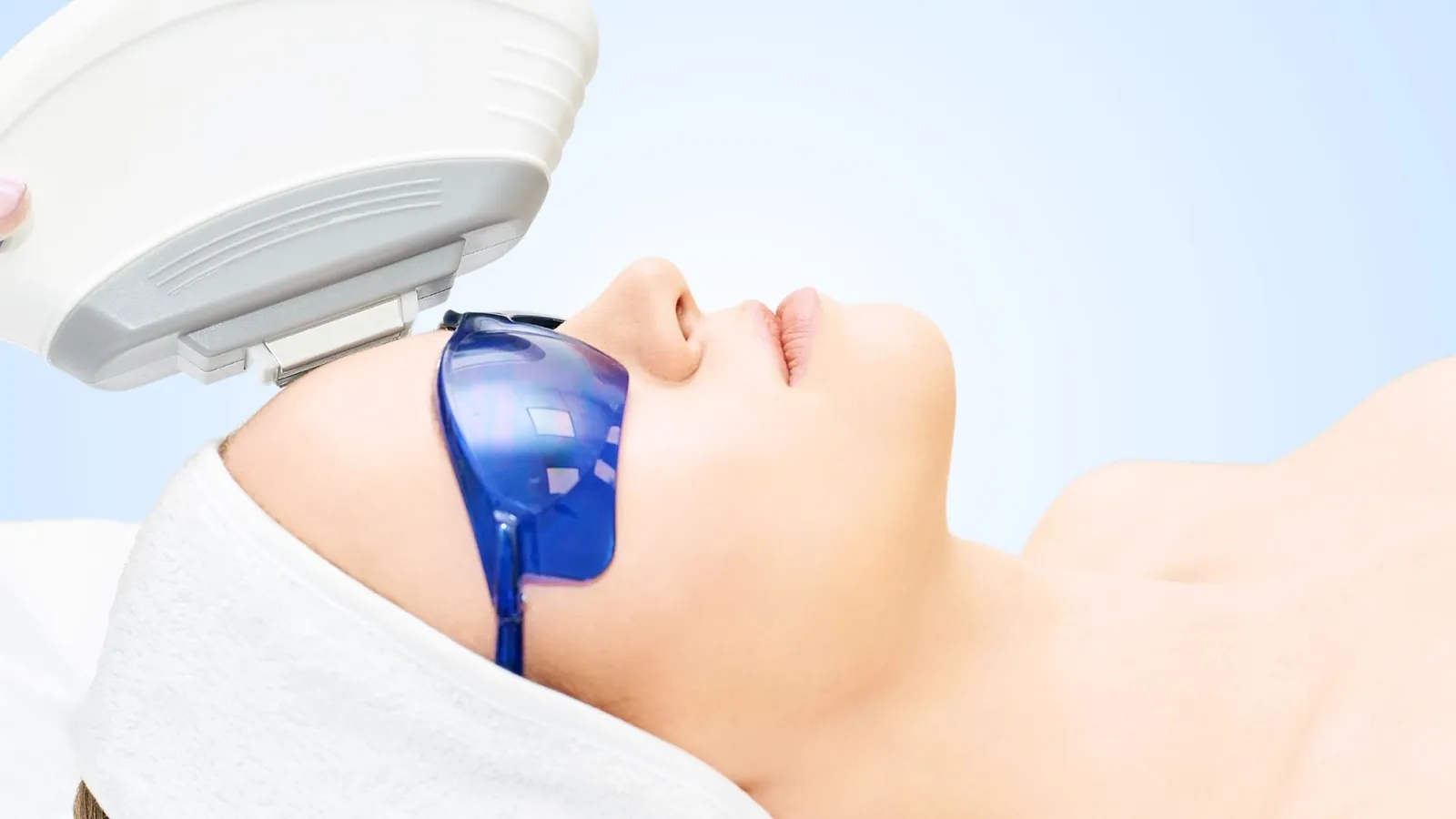
Bright, hot flashes. You wear eye shields. A full face takes 20 to 30 minutes.
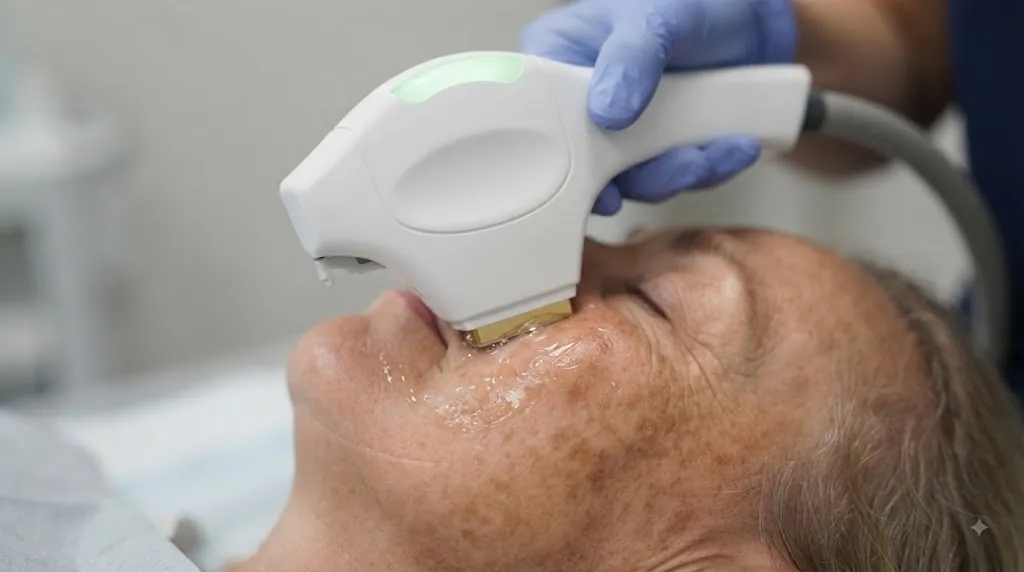
The handpiece has a chilled sapphire plate held against the skin. Many people find this noticeably more comfortable.
Downtime
You can wear make-up the next day. Dark flecks are visible for about a week.
The same. Neither one keeps you at home.
The main risk
Almost always from settings that were too strong, a recent tan, or no test patch.
The same risk. Better cooling lowers it, but it does not remove it.
Who should be cautious
Light aims at pigment, so it cannot tell a sun spot from naturally rich skin.
BBL has more filter options to work around this, but the underlying problem is the same.
Cost
Varies hugely with the clinic and the machine. Ask for the price of the full course.
The brand name carries a higher price in most markets. Ask what that buys you in your case.
The at-home or drugstore version
Home IPL devices are real IPL, but they run at a fraction of the clinic power and are sold mainly for hair, not for facial pigment. Expect slow, partial change and many more sessions.
Sciton does not sell a home BBL. Anything advertised as one is a generic home IPL borrowing the name.
Why BBL costs more
You are paying for hardware quality and for marketing, in some mix.
The hardware part is genuine: Newer devices cool the skin during the flash, and they hold their energy output steady from pulse to pulse. An old IPL whose lamp is near the end of its life delivers less energy than the screen says it is delivering. That is the difference a patient actually feels.
The marketing part is also genuine: "BBL" is a trademark, not a category of physics. A clinic that has invested in the machine will describe it as a step above IPL, and that framing is a sales position as much as a clinical one.
What decides your result
The person holding the handpiece matters more than the brand on it.
Settings do most of the work: The operator picks the filter, the energy level and the pulse length for your skin tone and your problem. Get that right on an ordinary IPL and you get a good result. Get it wrong on a BBL and you get a burn.
Machine upkeep matters next: Lamps wear out. A well-serviced older device beats a neglected new one.
The badge matters least: It is a reasonable tiebreaker between two clinics, not a reason to pick a clinic.
Skin tone changes the answer
Both work best on fair to medium skin, and both carry more risk on deeper tones.
The reason is simple: The light is absorbed by pigment. If the whole skin is rich in pigment, the whole skin absorbs the energy, not just the spot you wanted treated. That can leave burns or patches that are darker or lighter than the skin around them.
Melasma is its own problem: Heat can make melasma worse, whichever device delivers it. Some people improve and then relapse darker a few months later. If you have melasma, ask about that specifically before you book either treatment.
Before you book
Ask which machine they own and how old it is. A specific answer is a good sign.
Ask for a test patch, especially if your skin tans easily. This is the single best protection against a burn.
Ask who performs it and how many they do each week.
Ask for the cost of the full course, not one session.
Do not book within a few weeks of a holiday in the sun, before or after. A tan is the most common cause of a bad outcome.