Microneedling with Stem Cells vs PRP
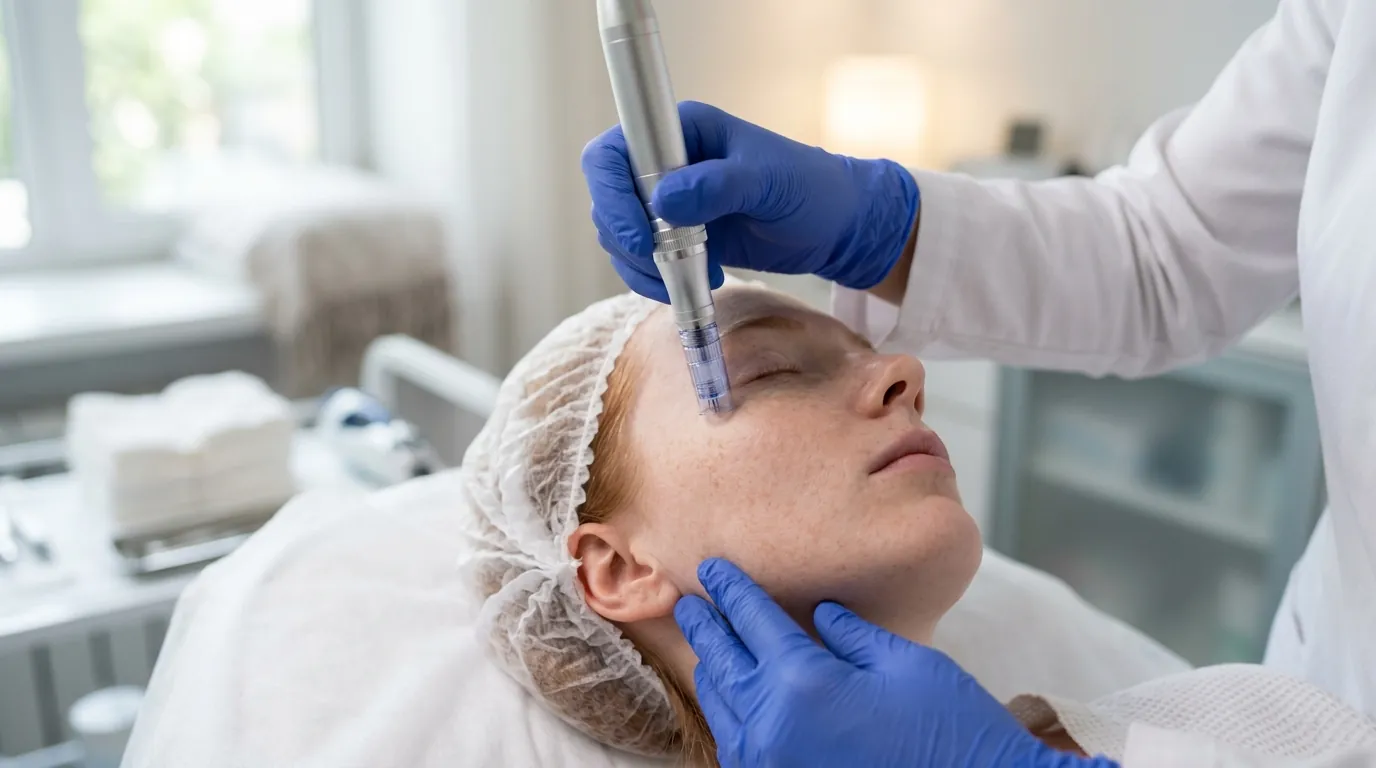
Microneedling with stem cells does not put living stem cells into your skin. The serum is made from what lab-grown cells release, and it is spread on skin that has just been needled. PRP uses your own blood, spun to concentrate the platelets, and it goes on the same way. The needling is the part with real evidence behind it, and what goes on top is the part still being argued about.
Where the material comes from
Usually fat-derived or umbilical cells. The cells are grown, then what they release is collected, filtered and bottled.
A tube is taken, spun in a centrifuge, and the platelet-rich layer is separated from the red cells.
What is actually applied
No living cells go in. What goes in is the signalling material the cells produced.
Platelets carry their own growth factors, which is the reason for using them.
What does the work
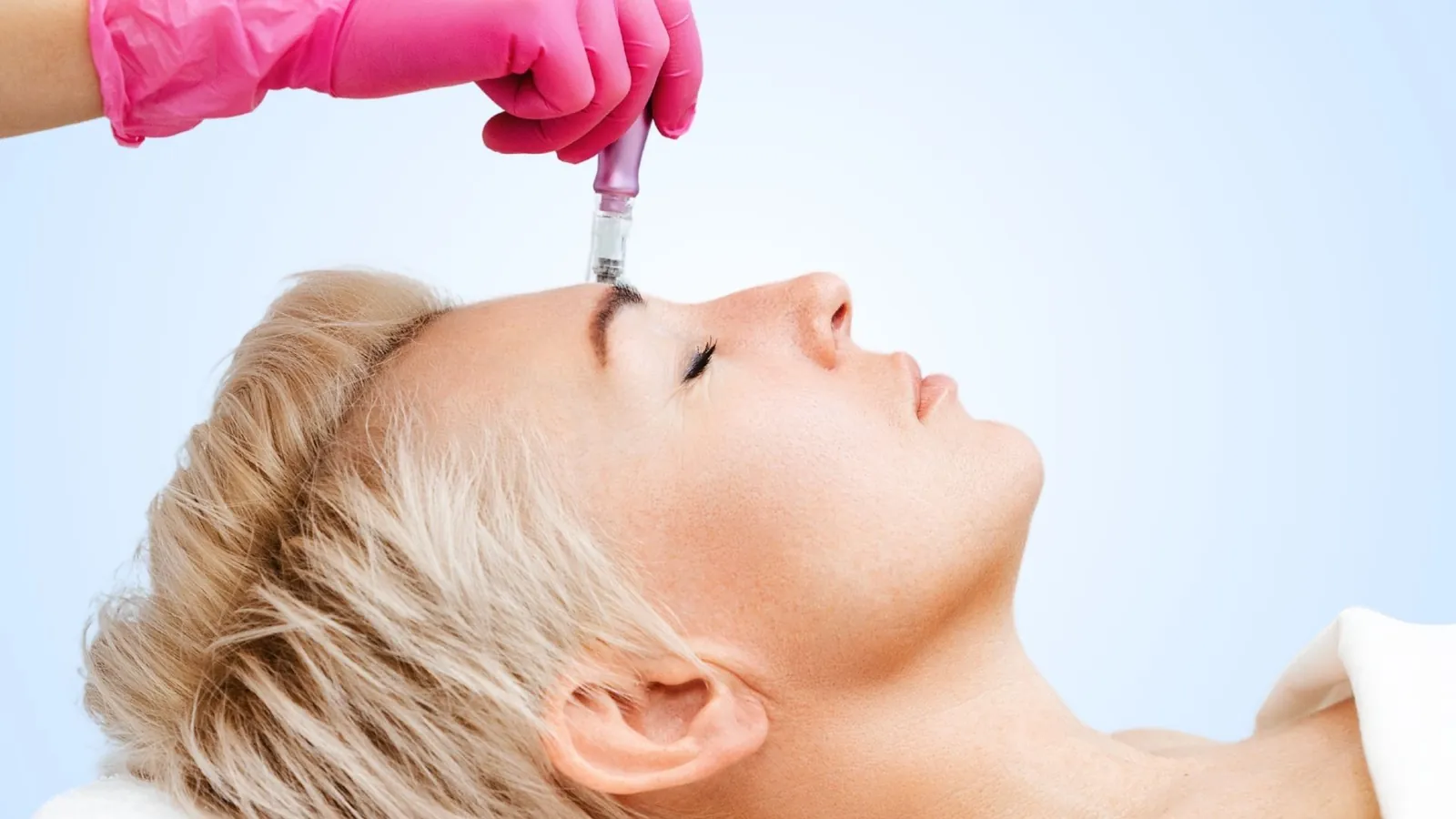
Thousands of tiny channels are made first. The serum is meant to travel down them.
Same channels, same idea, different material going into them.
What it is used for
Sold for much the same list as PRP, and often marketed as the stronger version.
Sunken acne scars and scalp thinning are the two biggest uses.
How long until you see anything
Collagen builds slowly, whichever serum is used.
Usually a course of three to six sessions about a month apart.
How long it lasts
Published follow-up stops early, so nobody can say what happens at a year.
Most clinics offer a top-up session every six to twelve months.
What the evidence looks like
A review of the published studies found signs of benefit for ageing, scars, pigment and hair, from small studies with short follow-up. The authors called for larger trials before drawing conclusions.
The clearest finding is that adding platelets to needling helps acne scars somewhat. Some comparisons put needling with a chemical peel ahead of needling with platelets.
The main thing to check
No exosome product is approved for injection or infusion in the United States, and quality depends entirely on the supplier. There is no ingredient list you can check.
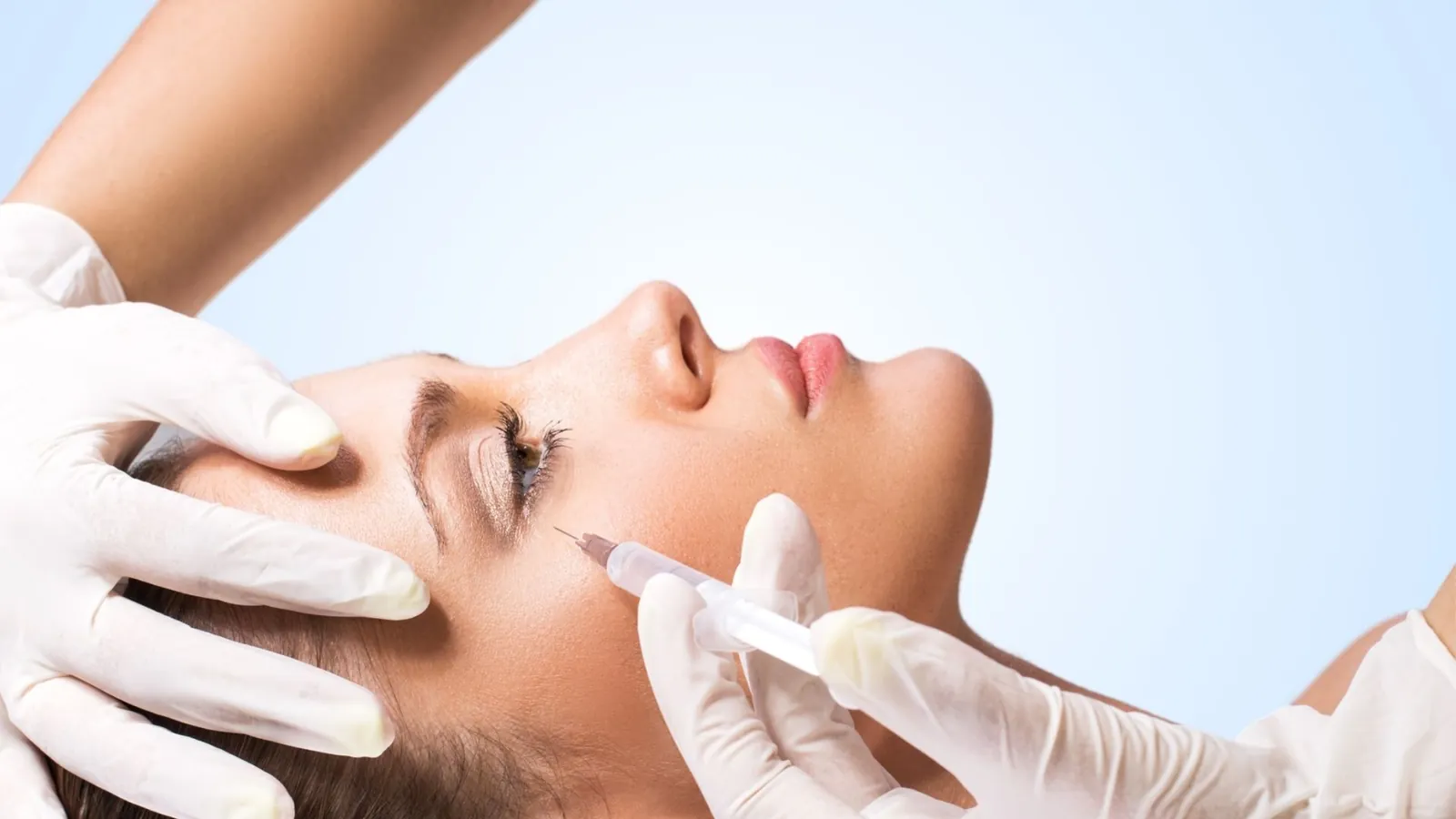
Blood is drawn, spun and put back into open channels. That belongs in a licensed facility with single-use equipment.
Cost
The serum is bought in by the clinic and priced per vial.
Ask what the whole course costs, including the needling itself.
The at-home or drugstore version
They sit on intact skin. A 0.25 mm home roller does not open the channels a clinic pen makes, so nothing goes deeper than a normal serum.
Nothing sold over the counter can draw and spin your blood.
Who each suits
"Stem cell" is doing a lot of work in that name
No stem cells stay in your skin: The cells are grown in a laboratory, and what is harvested is the fluid they were living in, or the exosomes filtered out of it. The cells themselves are not in the bottle.
That is not a scandal, it is the intended design: The theory is that the useful part of a stem cell is the signals it sends, not the cell itself.
It does change what the name is promising: A treatment called "stem cell microneedling" sounds like it is putting new cells into your face. It is putting a serum on it.
The needling is the part that has been measured
Microneedling on its own has a solid record for sunken acne scars and rough texture: That is the base you are paying for on either side of this page.
Every serum is an add-on to that base: Studies that compare needling plus something against needling plus saline are asking about the something, and those studies are small.
So the fair way to price it is as an extra: If the add-on doubles the bill, ask what the evidence for the add-on is.
What you are trusting when the material is not yours
With PRP, the material comes out of your arm ten minutes earlier: You can watch the tube get drawn and spun. What varies is the kit and the spin, not the source.
With an exosome serum, the material comes from a supplier you will never see: No exosome product is approved in the United States for injection. That means no one has reviewed how the bottle was made.
That makes one question worth asking out loud: what is in the vial and who made it: A clinic that can name the supplier and show you the packaging is answering a fair question. One that cannot is telling you something too.
Before you book
Ask what is in the serum, who supplies it, and how it is stored.
Ask whether the facility is licensed, and who draws and spins the blood if PRP is the plan.
If you get cold sores, say so at booking. Antiviral medicine has to be started in advance.
Ask what the needling alone would cost. That tells you what the add-on is really priced at.