Nano Needling vs Microneedling
Nano needling is a facial. Blunt tips glide across the surface, help serums soak in, and leave skin looking fresh for a week or two. Microneedling is a procedure. Real needles pass through the surface into the dermis, which is why it is the one with evidence for acne scars and rough texture. No good trial has compared the two, and they are not really doing the same job.
What touches your skin
They part the surface cells rather than pierce them. Nothing reaches the living layer underneath.
They puncture past the epidermis into the dermis, the layer where collagen is made.
What you will see
Skin looks brighter and better hydrated within a day. It is a good treatment before an event.
Change builds over months as new collagen forms. Rolling and boxcar acne scars improve most. Deep, narrow icepick scars improve least.
What it will not do
It never reaches the dermis, so it does not treat scars, deep lines or loose skin. "Microneedling without the downtime" is a slogan, not a description.
Needling improves the surface, not sagging. For sagging, energy devices or surgery are the honest answer.
How long until it works
You walk out with the result. There is nothing more to come.
The first visible change comes at about four to six weeks. Full collagen change takes several months and a course of sessions.
How long it lasts
The effect fades as surface cells turn over. Clinics usually suggest repeating it monthly.
New collagen stays, but skin keeps ageing. Most people repeat once or twice a year.
Sessions and downtime
You may look slightly pink for an hour. Makeup the same day is usually fine.
Sessions sit three to four weeks apart. Expect redness like mild sunburn for one to three days, then some flaking.
The downside
The physical risk is very low. The real cost is expectation. Booked hoping for scar improvement, it will disappoint you.
Redness, swelling and flaking are normal for a few days. In deeper skin tones, or with settings pushed too hard, treated skin can darken afterwards. That usually fades, but it can take months.
Cost
Often sold as an add-on to another treatment. Less per visit, but you repeat it often.
More per visit, and it is a course. Ask for the price of the whole course, not one session.
The at-home or drugstore version
Nano tips do not break skin, so the home device does much the same thing the clinic device does: it helps a serum sink in. The serum matters more than the wand.
Home rollers use short, blunt needles that dull quickly and are hard to keep clean. They pierce enough to inflame skin, not enough to remodel it. A reused roller is the most common way people pick up an infection from needling.
Who each suits
Depth is the whole story
Skin has two layers that matter here: The epidermis is the thin surface layer, roughly the thickness of a sheet of paper. The dermis sits below it and holds the collagen that gives skin its bounce.
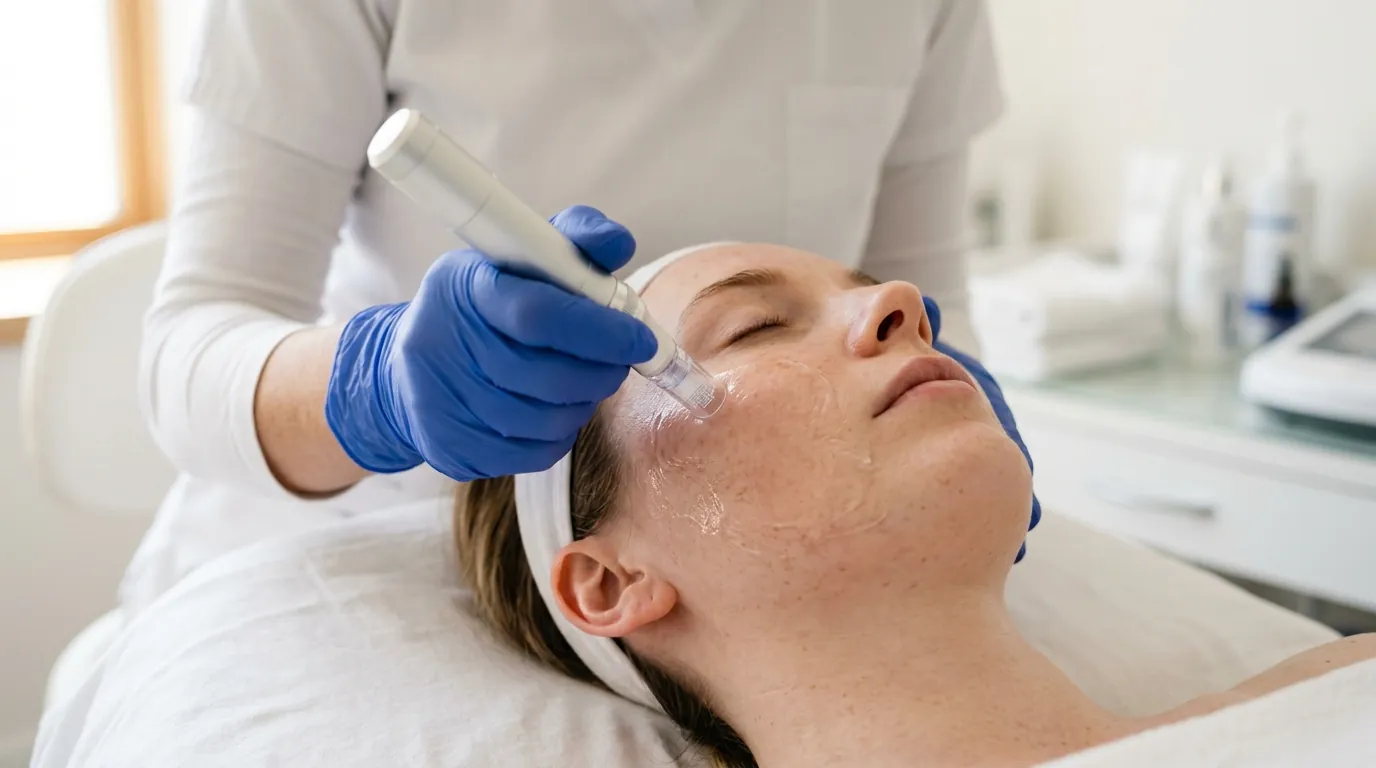
Nano needling stays in the epidermis: The tips are blunt cones, not needles. They loosen the surface enough for a serum to pass through, which is a real effect and the reason skin looks fresher afterwards.
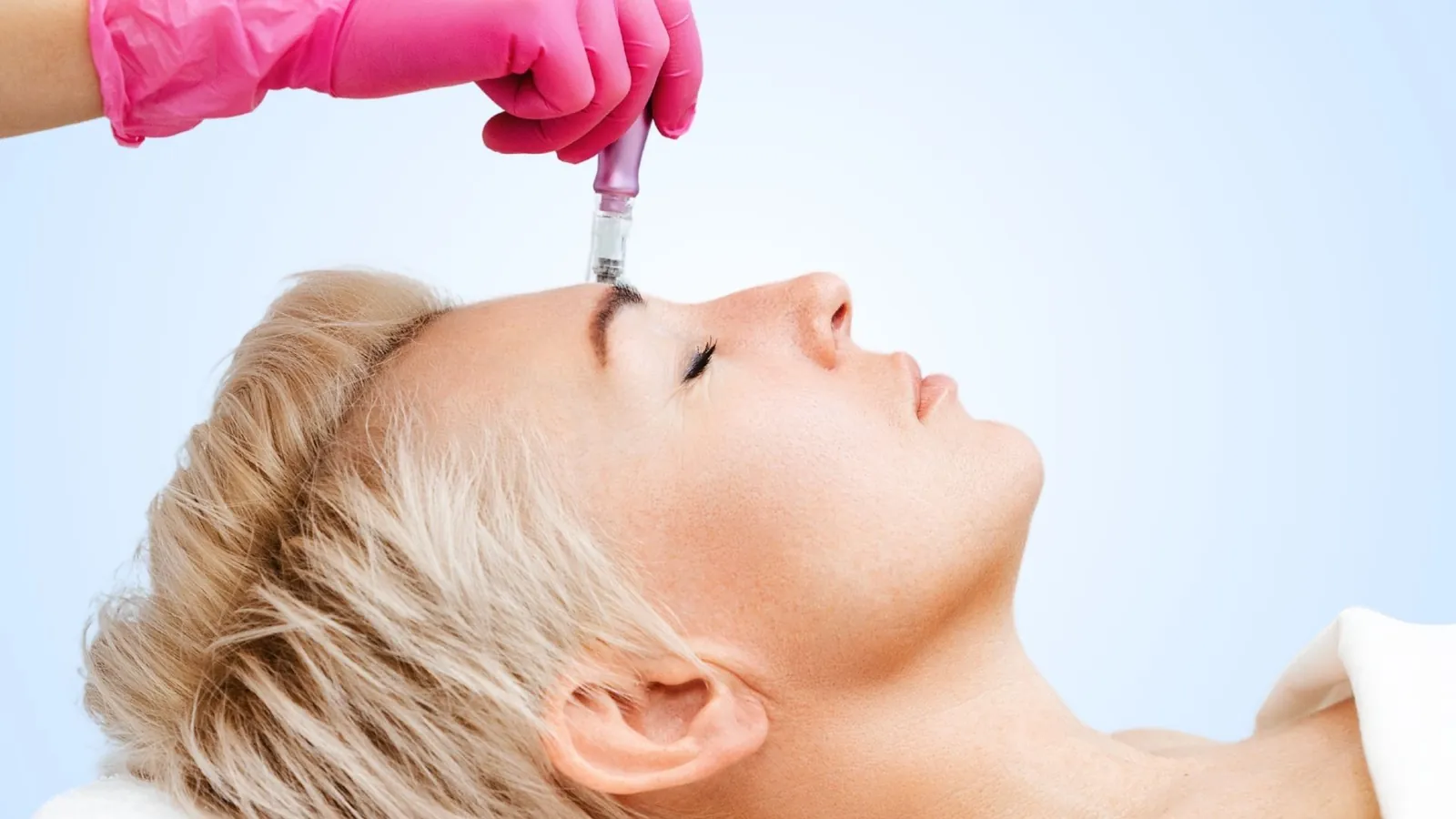
Microneedling goes into the dermis: The punctures are small wounds, and healing them is what builds new collagen. That is also why it hurts more, needs numbing cream, and leaves you red.
What "no downtime" is really telling you
No downtime usually means no wound: For nano needling that is the honest trade. Nothing is injured, so nothing needs to heal, and nothing gets rebuilt either.
Microneedling has downtime because injury is the mechanism: The redness is not a side effect of the treatment. It is the treatment. Removing it would remove the result.
Nobody has compared them head to head
There is no proper trial putting one against the other: So the comparison rests on what each has been studied for on its own.
Microneedling has years of published work, mostly on acne scars, where it produces clear improvement in shallow rolling and boxcar scars. Nano needling has almost none, and what exists looks at hydration and glow rather than scars or wrinkles.
Before you book
Ask which one you are actually getting. Some clinics use "nano" and "micro" loosely, and a few list nano needling on a microneedling menu.
If the goal is acne scars or texture, book microneedling. Nano needling will not get you there.
If the goal is glow before a wedding or a photo, nano needling is the cheaper, calmer choice.
With deeper skin tones, ask how many people with your skin tone the practitioner has needled, and what settings they use.
Ask what serum is being pushed in and whether it is meant for broken skin. Anything with fragrance or strong acids should not be going in.
%2520-%2520Render.webp)