PRGF vs PRP
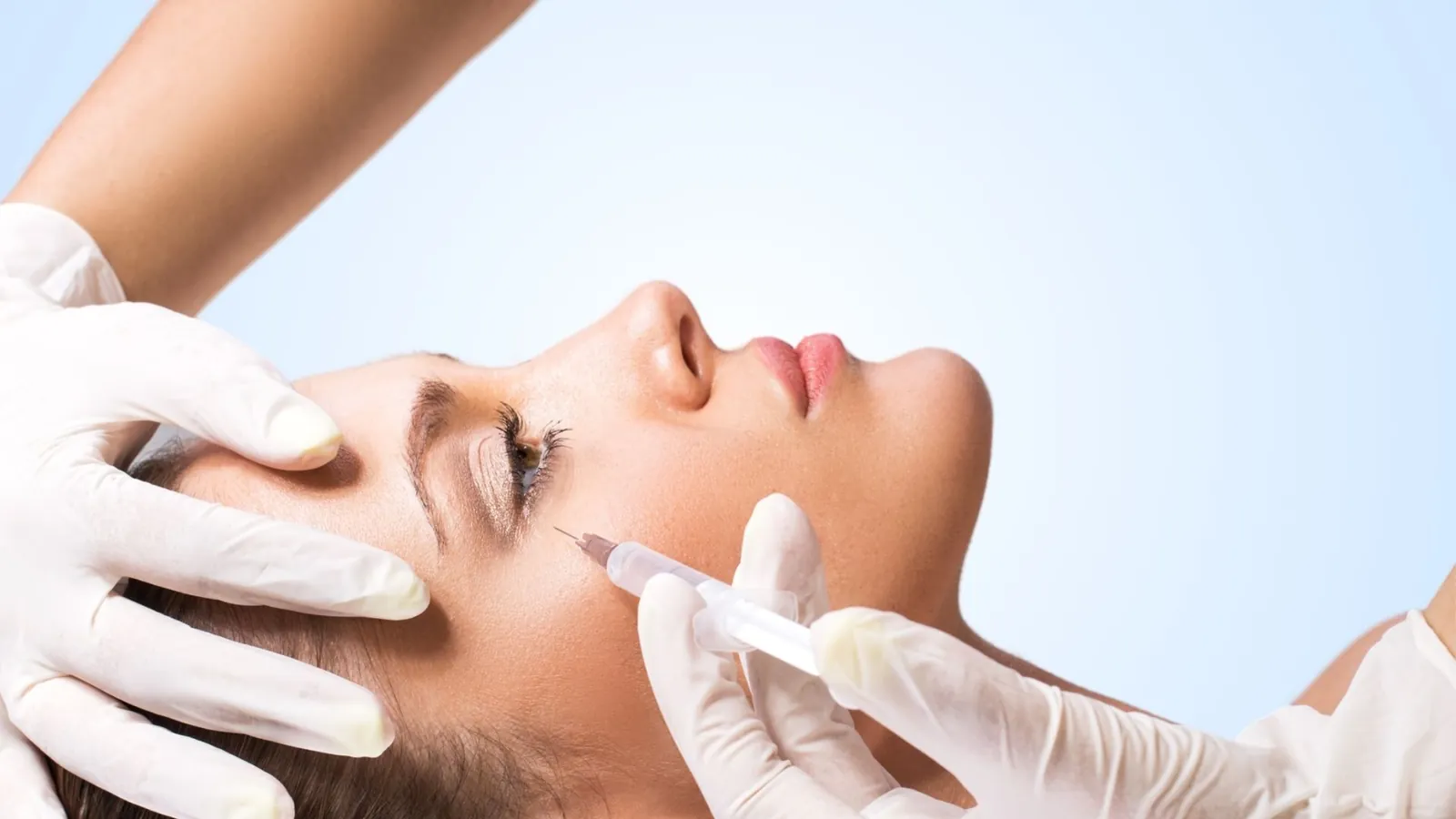
PRGF is PRP with the white blood cells taken out. It is a named preparation system with a fixed recipe, and the point of removing the white cells is a calmer, less inflamed result. PRP is the broad term for any plasma spun to concentrate platelets, and it is what nearly every published trial used. Nobody has compared the two directly in skin or hair, so the case for taking the white cells out is a theory about inflammation, not a measured result.
What is in the syringe
Blood is drawn and spun, then a second step separates off the layer that carries the white cells.
How many white cells end up in it depends on the kit and the spin. Some kits keep them on purpose.
What the extra step is meant to do
White blood cells release proteins that drive inflammation. The idea is that a purer platelet fraction repairs without stirring things up.
The counter-argument is that some inflammation is part of healing, and stripping it out may remove something useful.
Is it one product or a category
The steps, the tube and the spin are fixed, so what comes out is meant to be the same each time.
Two clinics can both offer "PRP" and produce quite different preparations. That is a real reason the research disagrees with itself.
What it is used for
Thinning hair, acne scars, skin quality. It is also used in dentistry and joint injections.
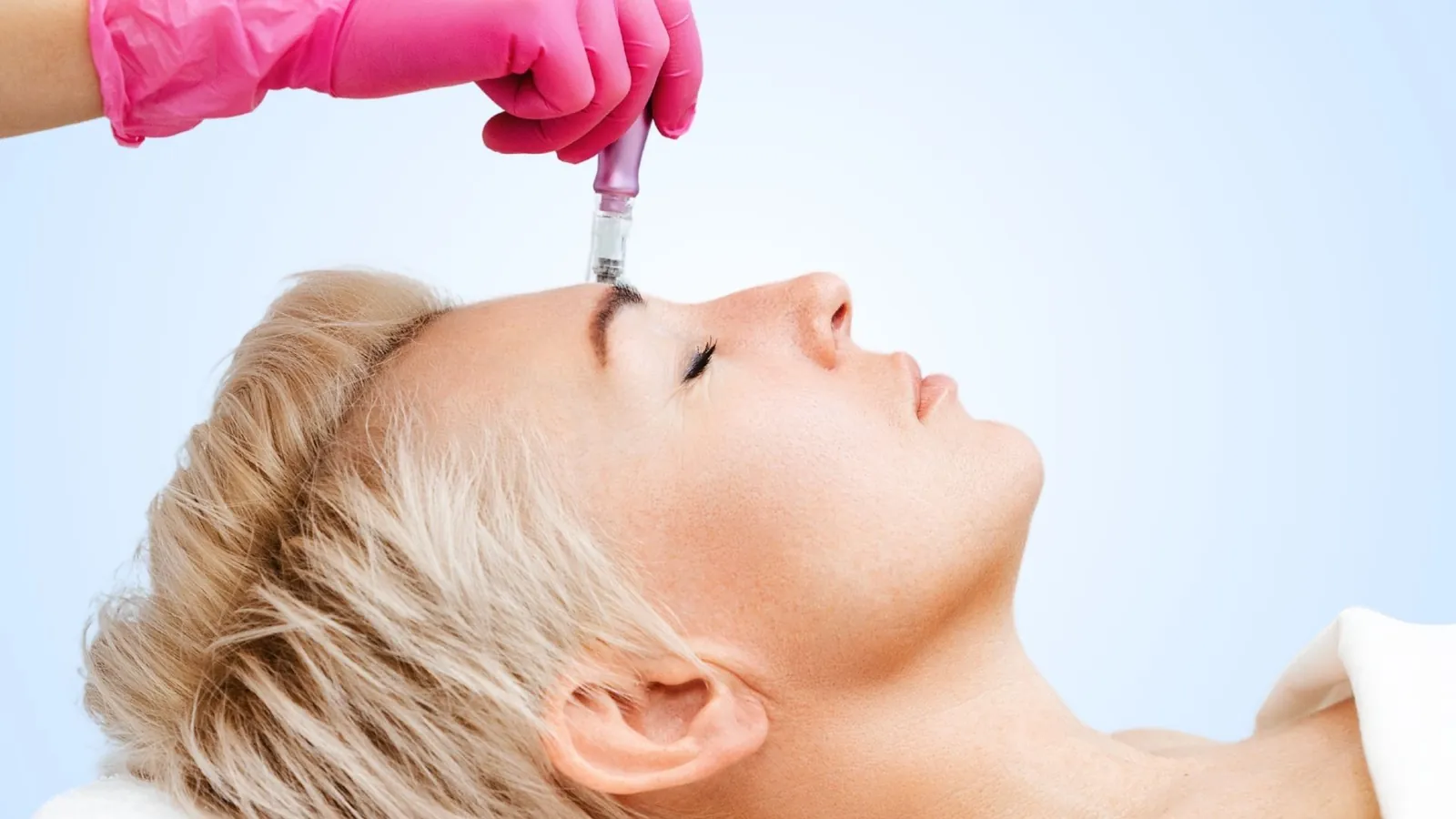
Scalp thinning is the biggest use in skin clinics.
How long until you see anything
The course looks the same: a few sessions about a month apart, then a wait.
Most trials measured hair density about three months after the last session.
How long it lasts
Follow-up studies in cosmetic use are thin, so clinics borrow the PRP schedule.
A maintenance session every six to twelve months is the usual offer.
What the evidence looks like
Most of the published work is laboratory work on cells, or comes from dentistry and orthopaedics. That means barely tested in skin, not tested and disappointing.
Pooled results from randomised trials show more hair density and thicker hairs than placebo. The methods vary so much that the size of the gain is uncertain.
The downside
You are tied to one supplier's tubes and protocol, and the price reflects that.
Ask which kit is used. "PRP" on a price list does not tell you the spin, the platelet count or the white cell count.
Cost
Priced per session, across a course.
Ask what the whole course costs, not what one session costs.
The at-home or drugstore version
No home device separates platelets from white blood cells.
Serums sold as "growth factor" use proteins from other sources and sit on the surface of the skin.
Who each suits
What the white blood cells are actually doing
White blood cells bring inflammation with them: They release signalling proteins that call in more immune activity. In a joint, that is generally unwanted, and this is where most of the argument started.
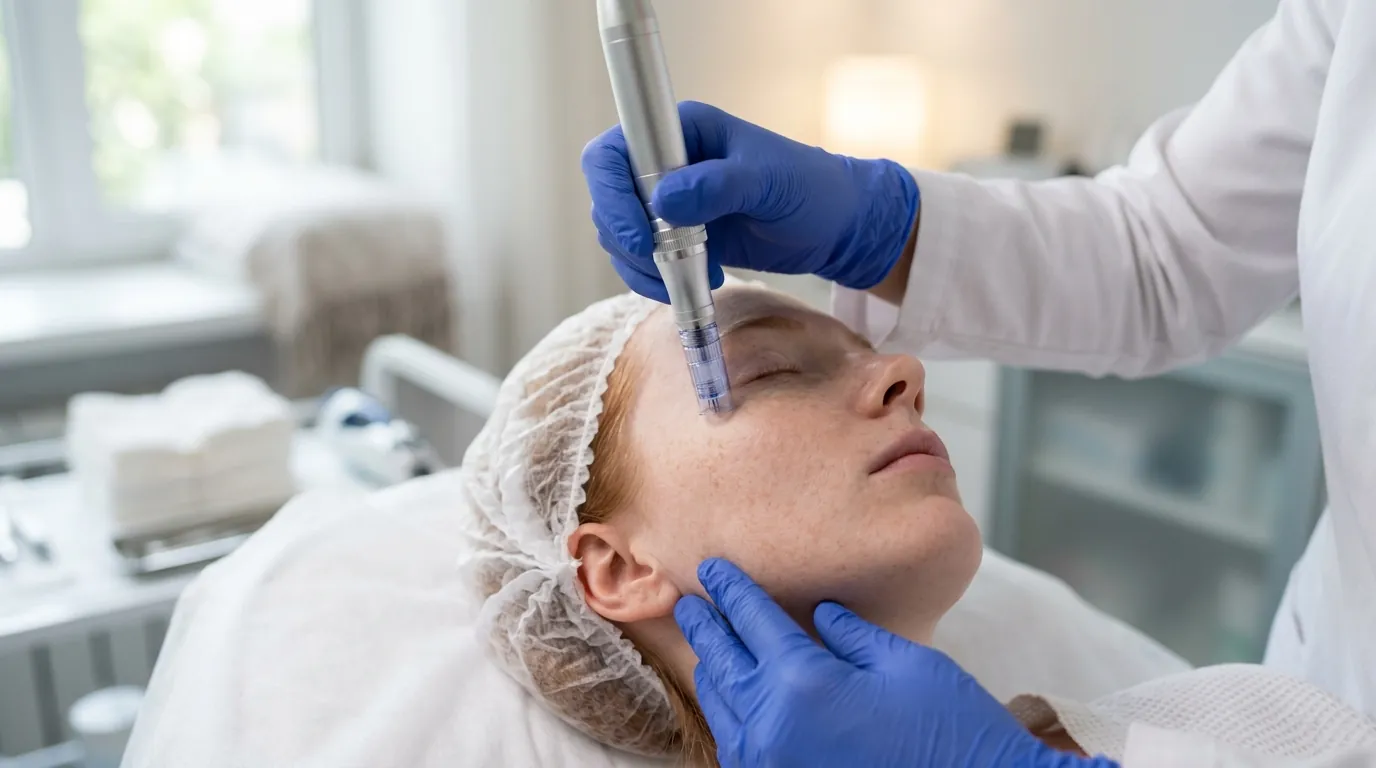
Skin is a different setting: A controlled burst of inflammation is part of how skin repairs itself, and it is the whole mechanism behind microneedling. Removing it is not obviously an improvement.
So the answer depends on where the needle goes, and it has not been settled for skin: The laboratory work is real. The human comparison in a scalp or a face has not been done.
Limited evidence and weak evidence are not the same thing
PRGF has limited evidence in skin and hair. It has barely been tested there: Most of what exists is cell studies, or trials from dentistry and joint medicine.
Weak evidence would mean the trials were run and the treatment underperformed: That is not what happened. The trials were simply run somewhere else, on a different tissue.
The practical effect is the same for you, though: Until someone compares PRGF with PRP in the same people, choosing it is choosing a method rather than a result.
What neither one does
Neither one replaces the standard hair treatments: Minoxidil and prescription tablets have far more evidence, and platelet treatment is normally added to them rather than used instead.
Neither one gives the same product twice: What comes out of the centrifuge depends on your blood on the day. PRGF narrows that variation. It does not remove it.
Before you book
Ask which system is being used and whether it is a fixed protocol or a general kit.
Ask how many sessions the plan involves and what the whole course costs.
Ask who draws and spins the blood, and whether the facility is licensed. Handling blood belongs in a licensed setting with single-use equipment.
Ask what happens if nothing has changed at six months.