Aquaphor Lip Repair | Dermatologist Review
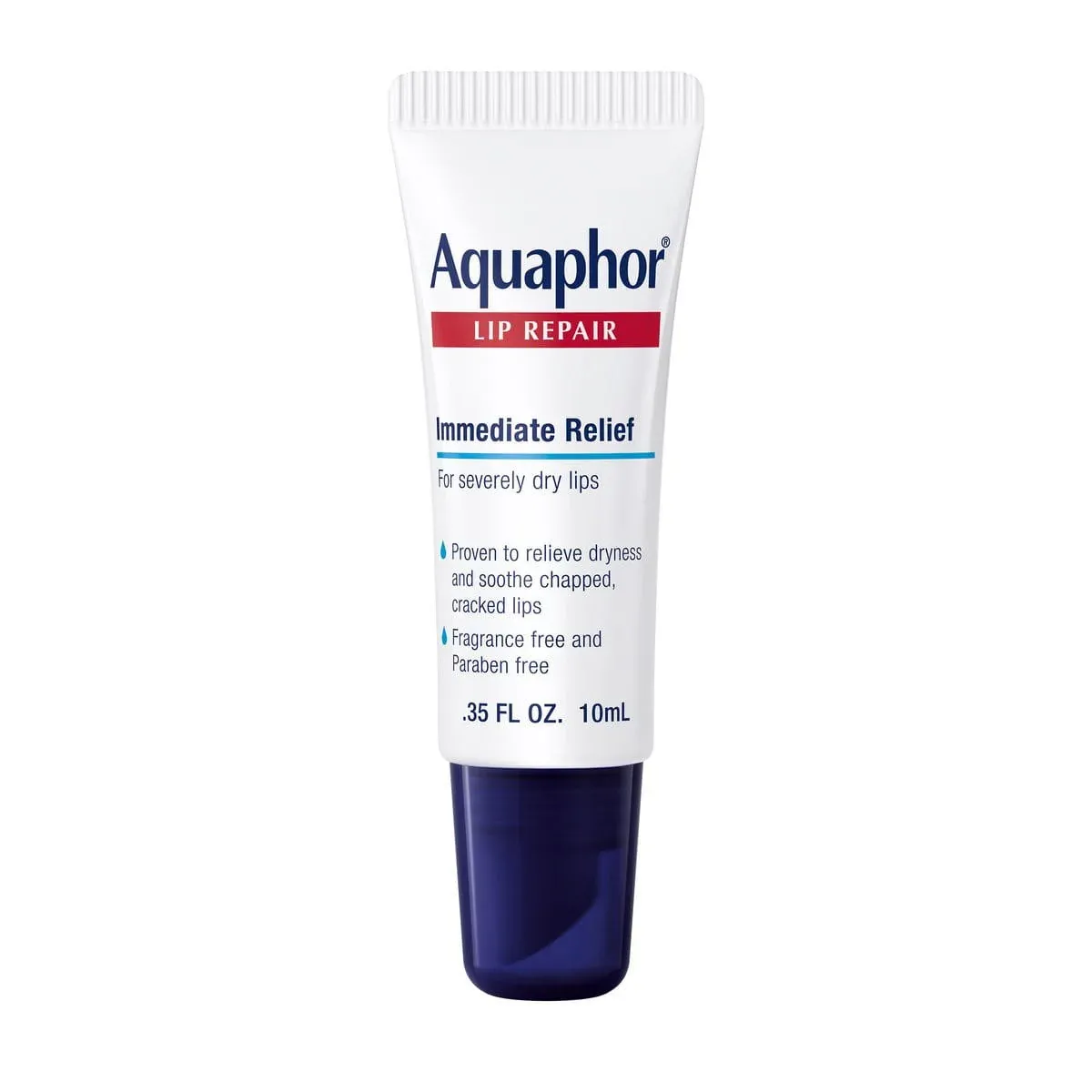
Most people buy this because they want Aquaphor for their lips. That is not what is in the tube.
Aquaphor Healing Ointment is 41% petrolatum, and it is sold as an over-the-counter skin protectant with a Drug Facts panel. Lip Repair has no petrolatum at all. It is a cosmetic, so it makes no drug claim and has no Active Ingredients panel. The base is octyldodecanol, a fatty alcohol, with castor oil and shea butter.
Only three things carry over from the ointment: panthenol, glycerin and bisabolol.
The good news is that it also has no lanolin. If lanolin is why you cannot use Aquaphor, this is one of the few products in the family that skips it.
As a lip balm it is fine. It softens, it feels pleasant, and it does not sting. The price is the problem. At about $4.79 for 0.35 ounces it works out near $13.69 an ounce. The Healing Ointment ran about $3.59 an ounce for the small tube and about $1.19 for the large jar. So it is somewhere between four and eleven times the price, depending on which ointment you would otherwise have bought. Prices from Target, August 2026.
Who It's For
−
It suits anyone who wants a comfortable, fragrance-free lip balm and does not mind paying for the format.
It suits people who react to lanolin. There is none in this.
It is a poor fit if you picked it up expecting the Healing Ointment. Buy the ointment instead — it is cheaper and it works on lips.
It is a poor fit if your lips are out in the sun. There is no SPF in this one.
It is a poor fit if you have reacted to castor oil or to beeswax. Both are in here.
How Aquaphor Lip Repair Works
−
A lip balm works by slowing water loss from the surface. Lips need that help more than the rest of the face. When researchers measured water loss across the lip border and the cheek in 303 women, the lip lost water at roughly three times the rate of the cheek and held about a third as much moisture. The reason is structural: the surface cells of the lip are never fully formed the way skin cells are.
What is doing that job here is a blend of fatty alcohols, castor oil, shea butter and a small amount of beeswax. It is an oil-based film, and it works.
Petrolatum is the more occlusive material, so a formula without it is likely to be less sealing. We should be honest that nobody has compared the two head to head on lips.
One detail is worth correcting, because it is repeated everywhere. Petrolatum is often described as sitting on skin like a lid. When researchers looked at what it actually does, they found it moves down into the spaces between skin cells and lets the barrier repair itself, rather than forming a sealed film. It is still occlusive. It is just not a lid.
Panthenol and bisabolol are both here and both soothing. Neither is doing the heavy lifting.
Claims Made
−
Aquaphor's own product page says the balm is "Proven to relieve dryness and soothe chapped, cracked lips." Some retailers upgrade this to "clinically proven." The brand does not.
We could not find a published trial of this product, or of any petrolatum lip balm for chapped lips. The claim may rest on company testing that was never published. Treat it as a claim, not as a finding.
The tube says fragrance free, and there is no fragrance on the ingredient list. Some allergy databases still flag it, because they count botanical ingredients such as bisabolol, which comes from chamomile, alongside known contact allergens such as castor oil. Both statements are true. They are counting different things.
Irritation and Breakout Risk
−
There is no lanolin here, which removes the most talked-about reason people react to Aquaphor.
Castor oil is the one to know about. It is the third ingredient, and hydrogenated castor oil appears again further down. In a study of people with ongoing lip inflammation in Thailand, about 14% of those found to have an allergic lip reaction reacted to castor oil. The authors called it an emerging lip allergen. Lanolin was not in their top five.
Beeswax is also in here. People who react to propolis often react to beeswax too.
None of this makes it a risky product. It means that if your lips get worse rather than better on it, there is a plausible reason and it is worth stopping.
Texture, Feel and Everyday Use
−
It is a soft, slightly glossy balm from a squeeze tube. It spreads easily and does not drag.
It is less greasy than the Healing Ointment and it does not have that waxy pull. Most people prefer how it feels. That is the honest appeal of the product.
It wears off with eating and drinking, so expect to reapply.
The 0.35 ounce tube is small. That is part of why the price per ounce looks the way it does.
How to Use It
−
What to Pair It With
−
It goes on last, over anything else you are using.
If your lips see daylight, pair it with a lip sunscreen or use one instead. This tube has no SPF.
It sits fine under or over lipstick.
If you are using a retinoid or benzoyl peroxide near your mouth, a balm like this on the lip border is a sensible buffer.
There is nothing it clashes with.
What to Expect and When
−
Lips feel better immediately. That is what a balm does.
Rough, flaky lips usually settle over a few days of regular use.
There is nothing to build up to. It works while it is on.
If your lips are still cracked after a week or two of steady use, the balm is not the answer. Switch to a plain petrolatum ointment overnight and see whether that changes things.
If one lip stays dry, scaly or rough for months and does not respond to anything, see a dermatologist. Persistent dryness on the lower lip in someone who has had a lot of sun can be actinic cheilitis, which is a precancer. Almost everyone who has it has dry lips — but dry lips on their own are far more often just dry lips.
Where It Sits in the Range
−
You are hereWhat People Commonly Report
−
People like how it feels. That comes up more than anything else — it is smoother and less heavy than the ointment.
A common complaint is that it does not last, and that it needs reapplying more often than expected.
Some people report it stopped working for badly cracked lips where the Healing Ointment had worked before. Given what is in each one, that is a believable difference rather than a fluke.
A small number report irritation. The ingredient list gives two plausible candidates in castor oil and beeswax.
Who Should Be Careful
−
Anyone with ongoing lip inflammation should look at the ingredient list before buying. Castor oil is high on it, and castor oil is a recognised cause of lip contact dermatitis. Beeswax is on it too.
Anyone relying on this for sun protection should not. There is no SPF in this tube.
That gap matters more on lips than most people realise. In an analysis of 15,832 US cases of squamous cell carcinoma of the lip, about 78% were on the outer lower lip.
If you buy Aquaphor Lip Protectant + SPF 30 instead, note that it contains oxybenzone. Oxybenzone belongs to the benzophenones, the sunscreen filters most often behind allergic lip reactions, so it is worth avoiding if your lips are already inflamed. The Lip Repair Stick + Sunscreen does not contain it.
And read the label carefully in the shop. That stick is a sunscreen with no skin protectant in it at all. Several products share the Lip Repair name and they are not the same kind of product.
Similar Products
−
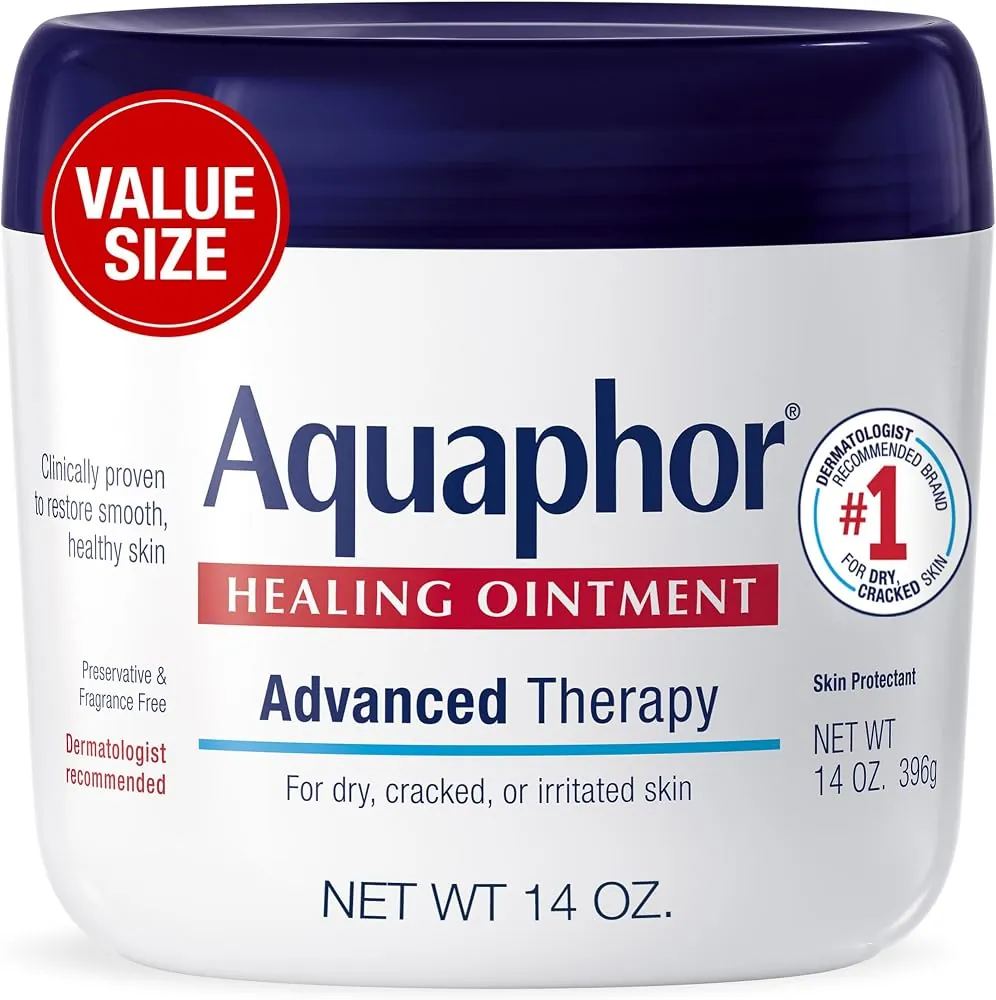
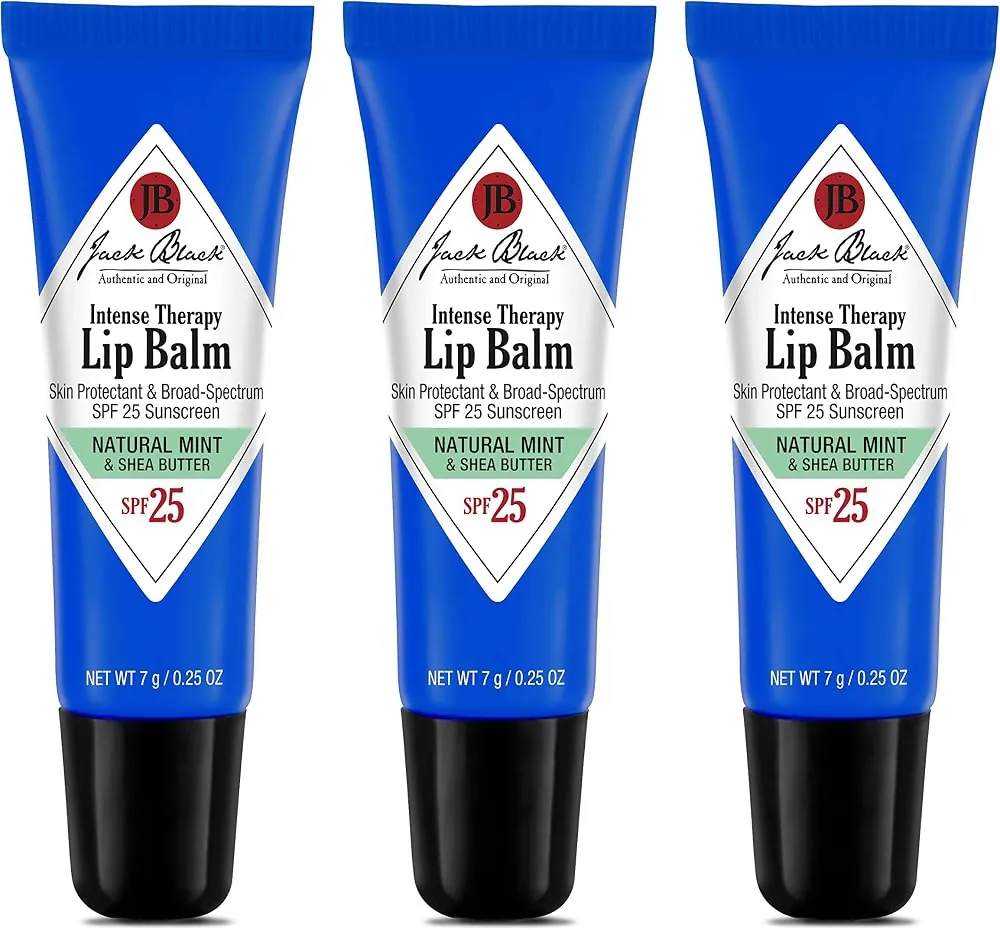
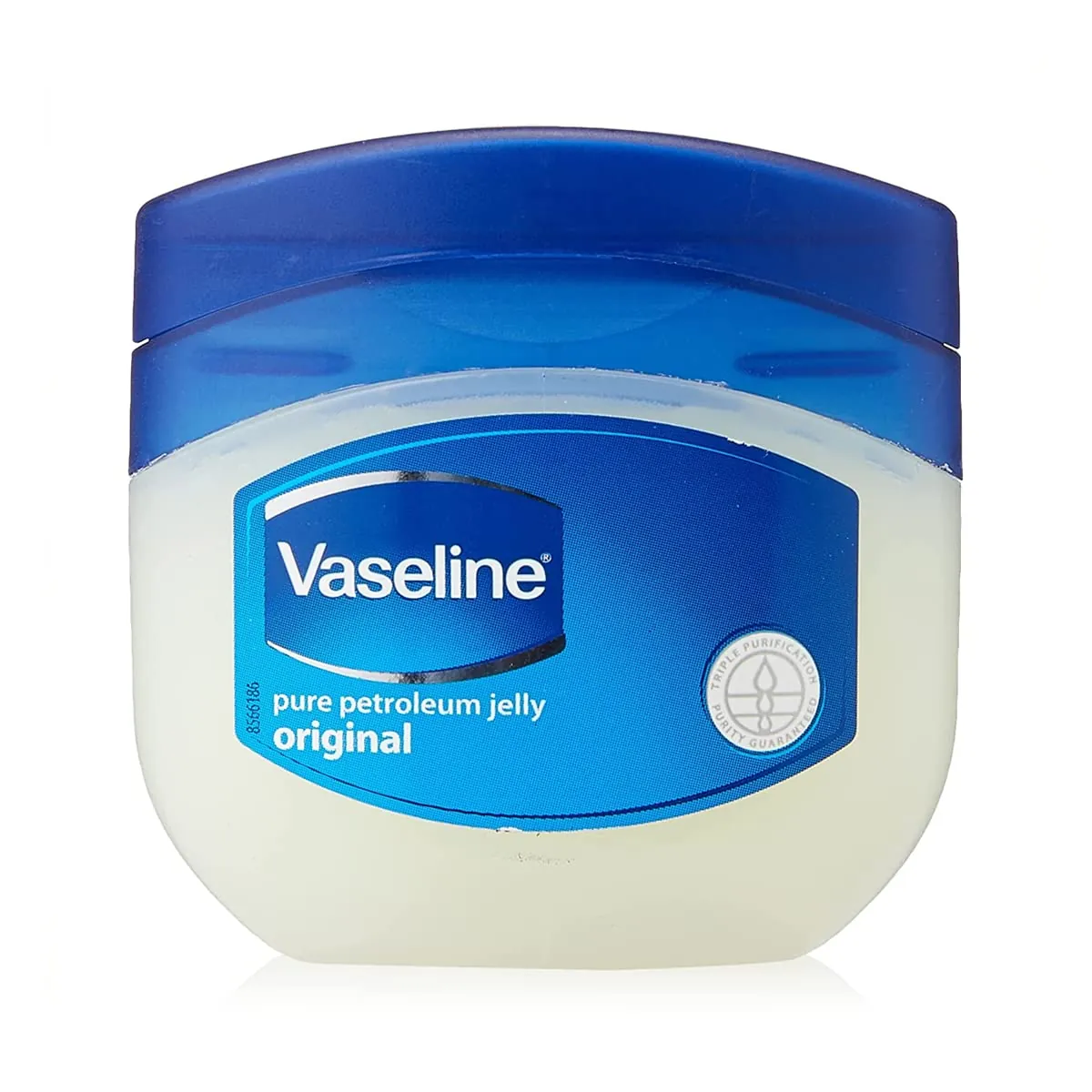
If the appeal was the Aquaphor name, the cheaper answer is the actual Aquaphor. If the appeal was a nice lip balm, the question worth asking is whether you want sun protection with it.
FAQ
+
Full ingredient list
+
This is a cosmetic. There are no active ingredients and no Drug Facts panel.
Octyldodecanol, C18-38 alkyl hydroxystearoyl stearate, ricinus communis (castor) seed oil, caprylic/capric triglyceride, glycerin, panthenol, bis-diglyceryl polyacyladipate-2, water, polyglyceryl-3 diisostearate, butyrospermum parkii (shea) butter, hydrogenated castor oil, tocopherol, tocopheryl acetate, sodium ascorbyl phosphate, bisabolol, beeswax, C20-40 alkyl stearate, magnesium stearate, magnesium sulfate
Recorded August 2026 from current retailer listings. Older databases show a longer list with lecithin and citric acid on it, which looks like a previous formula. Aquaphor notes that its formulas are updated from time to time, so check your own packaging.
One ingredient is worth pointing out. Bis-diglyceryl polyacyladipate-2 is often used where a lanolin-like feel is wanted without lanolin.
Key ingredientOur pick of the ingredients doing the work. This is our judgment, not a legal category, and a good product can have none marked.
References
+
- Functional properties of the surface of the vermilion border of the lips are distinct from those of the facial skin (Br J Dermatol, 2004; PMID 15030342)Measured 303 women in winter and found water loss across the lip border was roughly three times that of the cheek, with about a third of the surface hydration. This is the source for treating lips as a special case.
- The efficacy of a highly occlusive formulation for dry lips (Int J Cosmet Sci, 2020; PMID 31571236)A four-week use test in 20 Japanese women with normal skin, comparing high and low occlusivity vehicles containing no active ingredient. The more occlusive formula improved roughness and hydration. Limited evidence: the study is small, the participants did not have dry lips, and the authors work for a cosmetics manufacturer.
- Effects of petrolatum on stratum corneum structure and function (J Am Acad Dermatol, 1992; DOI 10.1016/0190-9622(92)70060-s)70060-s) — Found that petrolatum permeates the spaces between skin cells and allows normal barrier recovery despite its occlusive properties. This is the source for the correction to the common "seals like a lid" description.
- Prevalence and causative allergens of contact cheilitis in Thailand (Contact Dermatitis, 2023; PMID 37607557)Found allergic contact cheilitis in 32% of patients tested. Among those patients, 14.3% reacted to castor oil, which the authors flagged as an emerging lip allergen. Supports the caution about castor oil in this formula.
- Patch Testing for Cheilitis: A 10-Year Series (Dermatitis, 2019; PMID 31609855)Found allergic contact cheilitis in 17% of patients patch tested for lip inflammation, with fragrances and sunscreen filters among the leading relevant allergens. Supports the note about the SPF version.
- Epidemiology of Squamous Cell Carcinoma of the Lip in the United States: A Population-Based Cohort Analysis (JAMA Otolaryngol Head Neck Surg, 2016; PMID 27832256)Analysed 15,832 SEER cases of squamous cell carcinoma of the lip and found 77.8% arose on the external lower lip. This is the source for why a lip balm without SPF leaves a real gap.
- Clinicopathological Analysis of Actinic Cheilitis: A Systematic Review with Meta-analyses (Head Neck Pathol, 2023; PMID 36892803)Pooled 728 patients with actinic cheilitis and found dryness present in 99% of cases. This is the source for the advice to have persistent lower lip dryness looked at.
- Aquaphor Lip Protectant and Sunscreen label (DailyMed)The FDA label for the SPF 30 tube, listing petrolatum 31% plus avobenzone, octinoxate, octisalate, octocrylene and oxybenzone. Confirms that the SPF tube, unlike this one, does contain petrolatum.
- Aquaphor Healing Ointment label (DailyMed)The FDA label for the Healing Ointment, listing petrolatum 41% as the active ingredient and lanolin alcohol among the inactives. This is the comparison the review is built on.