Cooltone vs CoolSculpting
CoolTone builds muscle. Magnetic pulses make the muscle contract hard, over and over, and it does nothing to fat. CoolSculpting removes fat. It freezes a pinched fold of fat and does nothing to muscle. The names look like two versions of one treatment, but they are two different jobs, and many people are sold both.
What it does
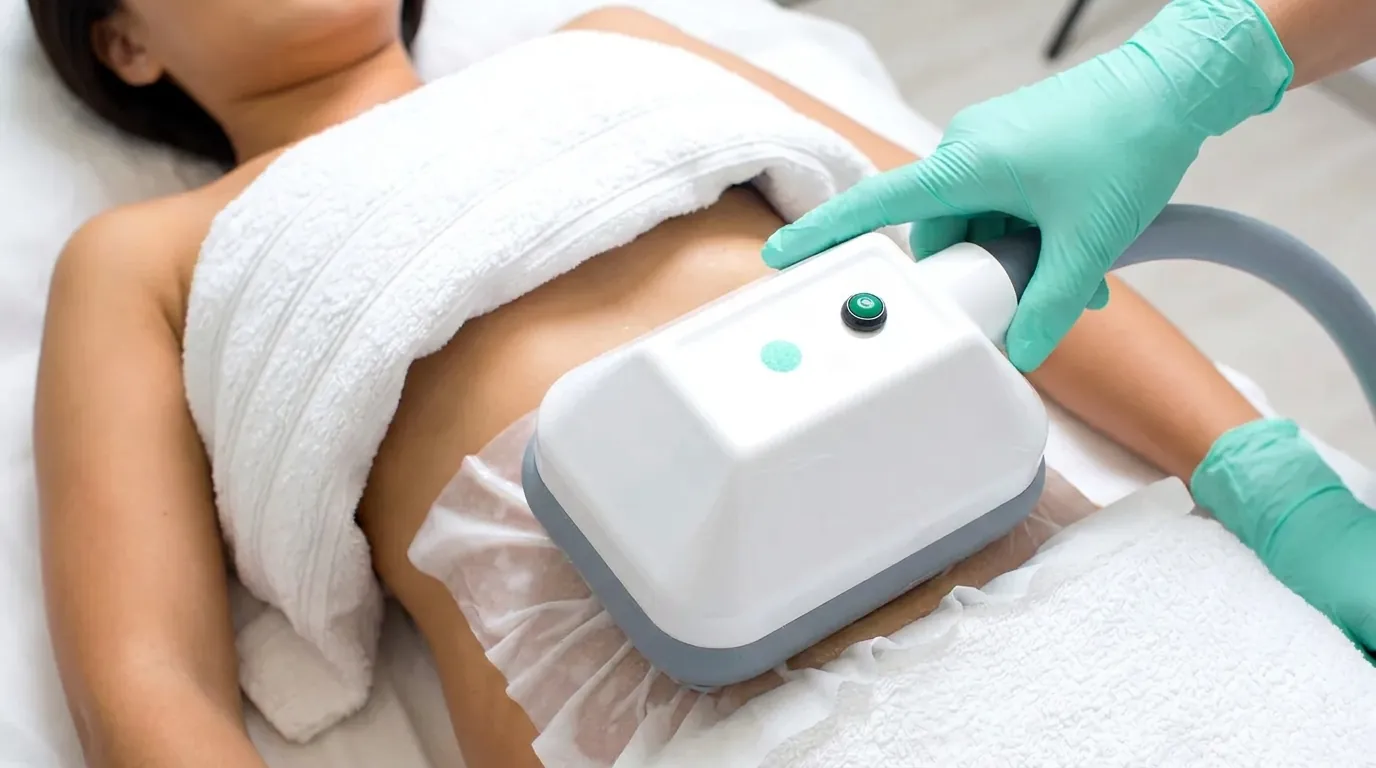
Magnetic energy makes the muscle clench far harder than you can on purpose. Used on the stomach, buttocks and thighs.
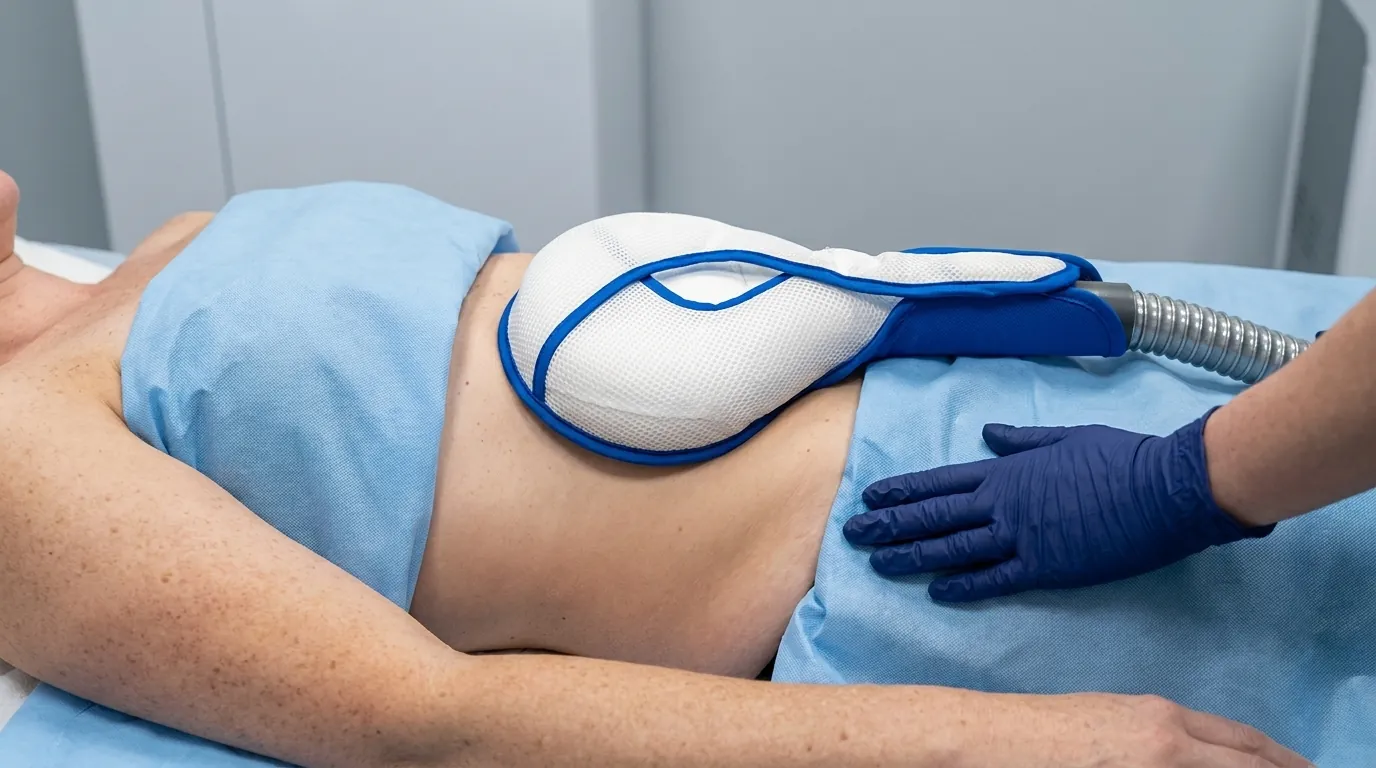
A cup suctions the fat and chills it. Your body clears the damaged cells over weeks.
What it feels like
The muscle tightens and lets go, again and again. Strange rather than painful. You are sore the next day.
The cold fades to numbness within about ten minutes. The massage at the end is the part people remember.
A session
How many visits
Then top-ups every few months to hold the result.
Spaced four to eight weeks apart. No maintenance after that.
How long until you see it
How long it lasts
Muscle behaves like muscle. Stop training it and it softens again over months.
Destroyed fat cells do not return. The ones left can still enlarge if you gain weight.
The main downside
If there is a fat layer over the muscle, a stronger muscle underneath will barely show.
Paradoxical adipose hyperplasia: months later the treated area becomes firmer and larger rather than smaller. It affects about 0.22% of people, roughly 1 in 455, and liposuction corrects it.
Cost
Budget for the top-ups as well.
Ask for the price of the whole plan.
The at-home or drugstore version
A drugstore stimulator belt does twitch the muscle. It is far below the strength of a clinic contraction, which is the whole point of the treatment.
A gel pack starts cold and warms up as you wear it. The clinic device holds one set temperature for a whole session, and that steady cold is what damages the fat cell.
Who each suits
Same brand family, different problem
The shared "Cool" name causes most of the confusion: Both are Allergan devices and both are sold in the same clinics, so people assume one is an upgrade of the other. Neither can do the other's job.
CoolSculpting only works on fat you can pinch: The applicator has to draw a fold into the cup. If there is nothing to grab, there is nothing to treat.
CoolTone only works on the muscle below: If a layer of fat sits over that muscle, a stronger muscle will not change how the area looks from the outside.
Which one to do first
Pinch the area with two fingers: A thick fold means fat is the problem, and CoolSculpting is the more direct answer.
A thin fold means muscle is the problem: There is little to freeze, so the shape you want comes from the muscle.
If you plan to do both, most clinics reduce the fat first: Then the firmer muscle underneath actually shows.
Doing them the other way round often disappoints: You pay for a course of muscle sessions, feel stronger, and see almost no change in the mirror because the fat layer is still there.
What neither one does
Neither one tightens loose skin: Both leave skin as they found it, and taking fat out from under loose skin can make it hang a little more.
Neither one is a weight-loss treatment: They change one area. They do not change the number on the scale.
Neither one repairs separated stomach muscles: If the muscles have parted down the middle, contractions will not close that gap. The repair is surgical, and no device does it.
Before you book
Ask which one they would start with, and why.
Ask how many sessions the plan includes and what the total costs.
Ask what the yearly cost of CoolTone top-ups looks like.
Ask for photos of the same area on someone with a similar build.