Facelift vs Botox
Botox softens lines made by muscle movement. It relaxes the muscles that crease your forehead and the skin between your brows. A facelift repositions sagging tissue and removes loose skin. It is surgery, under anaesthetic, with a real recovery. These are not two versions of the same thing, and if your complaint is jowls or a loose neck, no injectable fixes it.
What it is
The surgeon lifts and repositions the tissue under the skin, then removes the skin that is now spare. Often done with a neck lift.
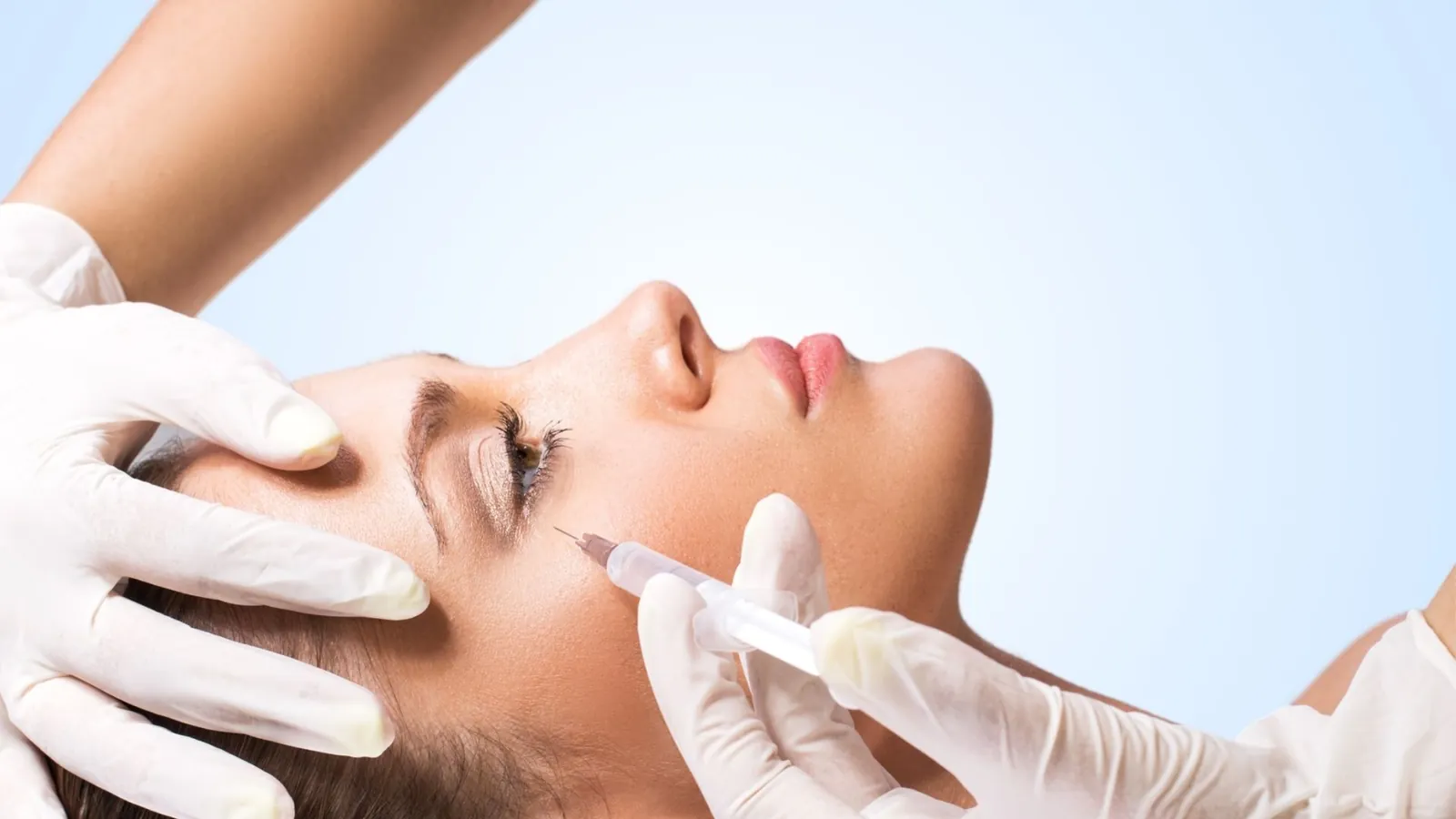
A few small injections into the muscles that fold your skin. It takes about ten minutes and you walk out.
What problem it fixes
Jowls, a heavy jawline, loose skin on the neck, deep folds from the nose to the mouth.
Frown lines, forehead lines and crow's feet. The lines that appear when you make an expression.
What it will not do
Surgery repositions tissue. The muscles keep working, so a frown line will still crease afterwards.
Toxin has no effect on loose skin. It cannot raise a jowl, tighten a neck or remove spare skin.
What is involved on the day
A hospital or surgical suite, a general or heavy sedation anaesthetic, and someone to take you home.
Numbing cream if you want it. Most people go back to work straight after.
How long until you see it
The shape is there once the swelling drops. The final result takes around three months.
Full effect at about two weeks.
How long it lasts
Ranges roughly from seven to fifteen years depending on the technique and your skin. It does not stop ageing, it sets you back.
Then it wears off and you repeat it.
Downtime
Bruising and swelling are heavy at first and settle over the first fortnight. Most people take two to three weeks before they want to be seen.
Small red dots for an hour and the occasional bruise.
The downside
Scars, though they are placed in front of and behind the ear. A recovery. A real risk profile that you discuss with a surgeon, and a result you cannot undo.
A heavy brow or an uneven lift happens, and there is no reversal. You wait about three months for it to fade.
Cost
Priced as surgery. The quote should include the surgeon, the anaesthetist and the facility, so ask for all three.
Priced per unit or per area. Work out the yearly total, not the visit price.
The at-home or drugstore version
Face tape, gua sha and facial exercises move nothing. Sagging is a structural change under the skin, and nothing you do at the surface repositions it.
"Botox in a jar" creams use peptides such as argireline. The cream sits on the surface. The muscle folding your skin is several millimetres down and no cream reaches it.
Who each suits
Movement lines and sagging are two different problems
Look in the mirror with your face completely still: The lines you can still see are not made by movement. Loose skin, jowls and a heavy jawline sit in this group, and toxin does nothing for any of them.
Now frown, then raise your eyebrows: The lines that appear only when you move are the ones Botox treats. Those are muscle lines, and relaxing the muscle softens them.
Most people over fifty have both: That is why the two treatments are often used together rather than chosen between. A facelift restores the shape of the lower face and neck. Botox keeps the upper face smooth.
No injectable lifts jowls or a loose neck
If your main complaint is jowls or a loose neck, no injectable fixes it: Not toxin, not filler, not a thread lift, not a biostimulator. This is the single most common mismatch between what people book and what they wanted.
Filler is the near miss: Placed well, it can restore volume in the cheek and give the lower face a better outline. That helps some people a great deal. It is still adding volume, not removing spare skin.
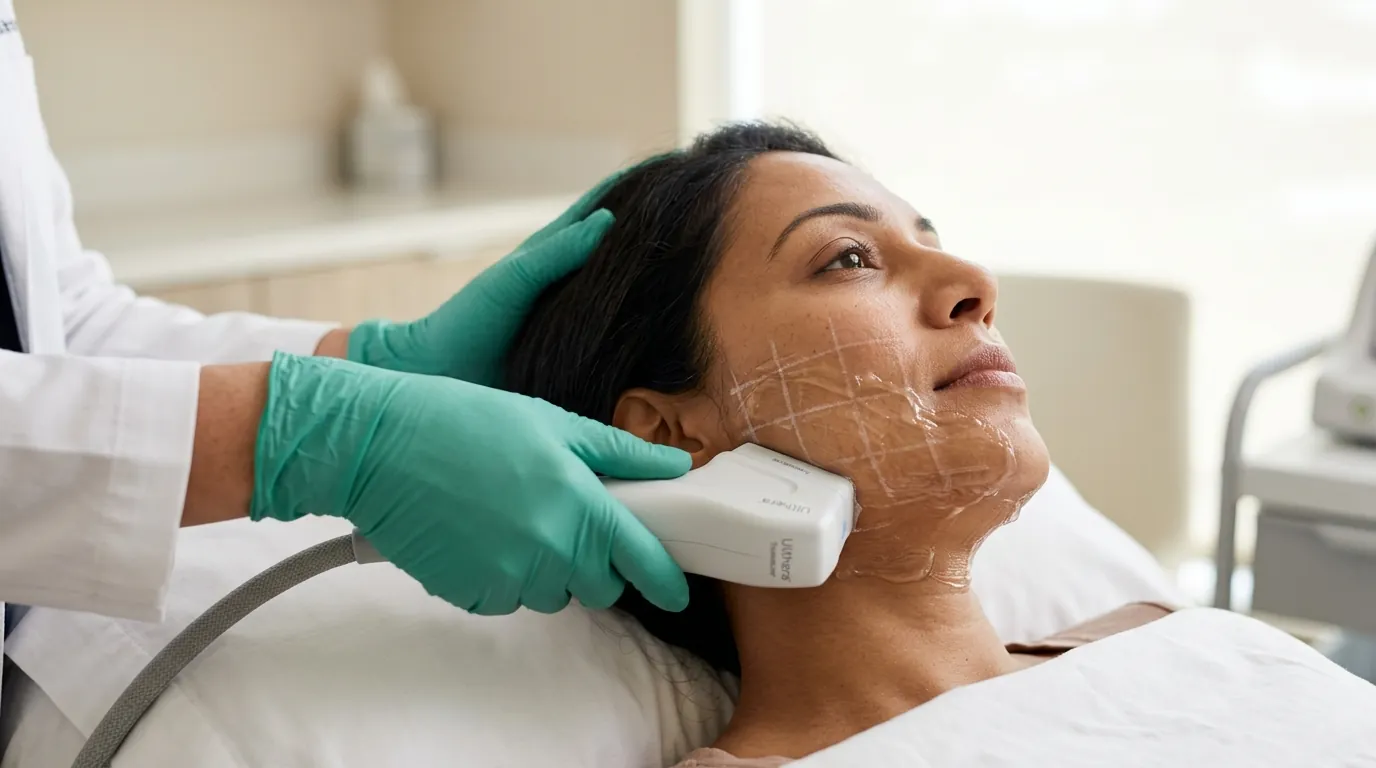
Energy devices sit in the same place: Ultrasound and radiofrequency tighten modestly and suit early looseness. They are not small facelifts, and anyone selling them as one is overselling.
What people usually actually want
Most people asking this question are not ready for surgery and do not want it: That is a reasonable position, and the useful answer is to be clear about what the alternatives can reach.
Botox is the right first step if your concern is the upper face: Forehead, brows, crow's feet. It is low commitment, and if you hate it, it fades.
Book a surgical consultation if your concern is the jawline or neck: You do not have to want surgery to go. You leave knowing what is actually causing the change. Every other decision gets easier after that.
Before you book
Take a photo of your face at rest, then one mid-frown. Bring both. It sorts movement lines from sagging in seconds.
Ask the injector what Botox will not change on your face. A good one will tell you plainly.
If you are seeing a surgeon, ask what the quote includes and who administers the anaesthetic.
Bring a photo of yourself from a few years ago rather than a photo of someone else.