Halo vs Morpheus8
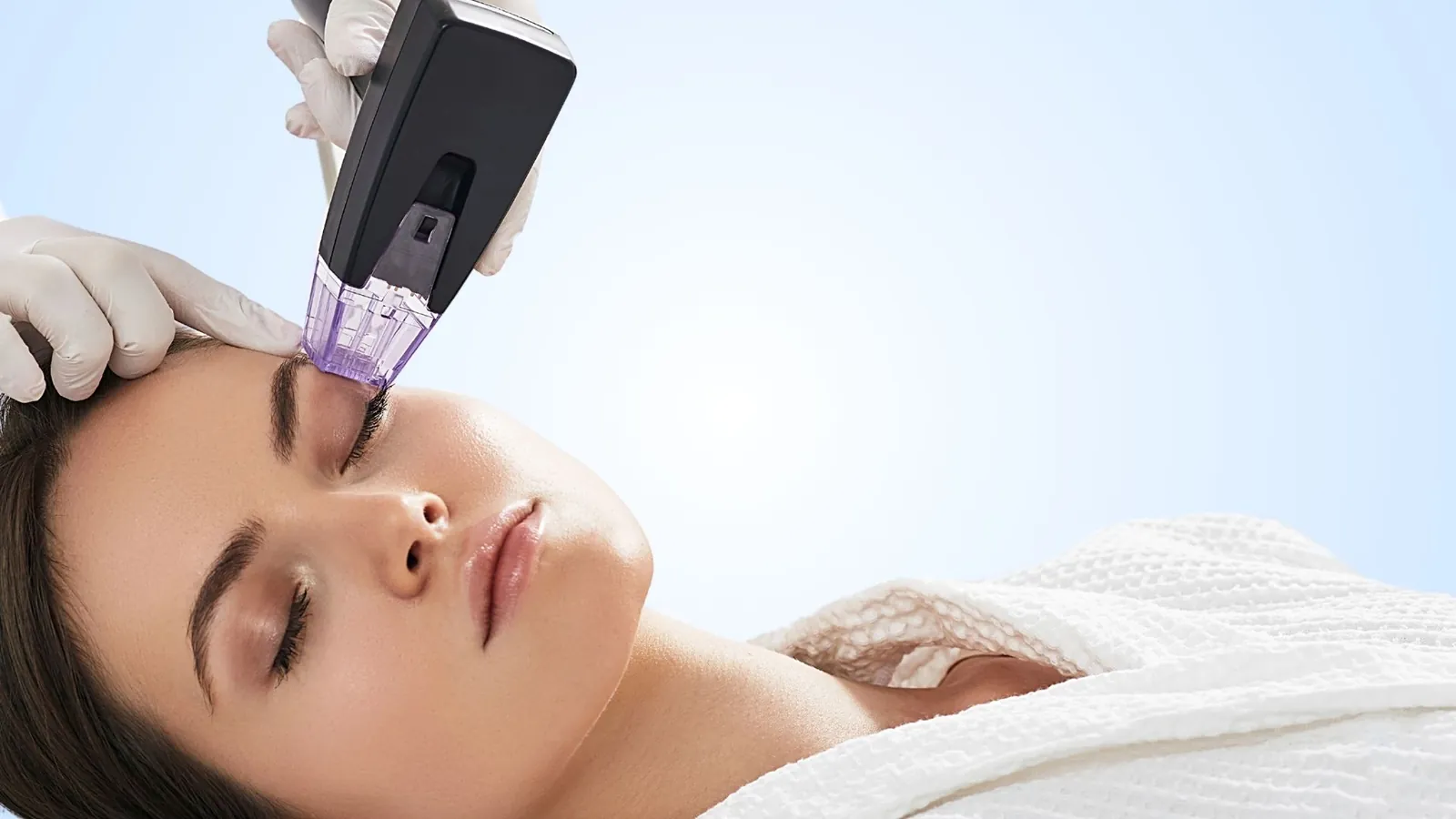
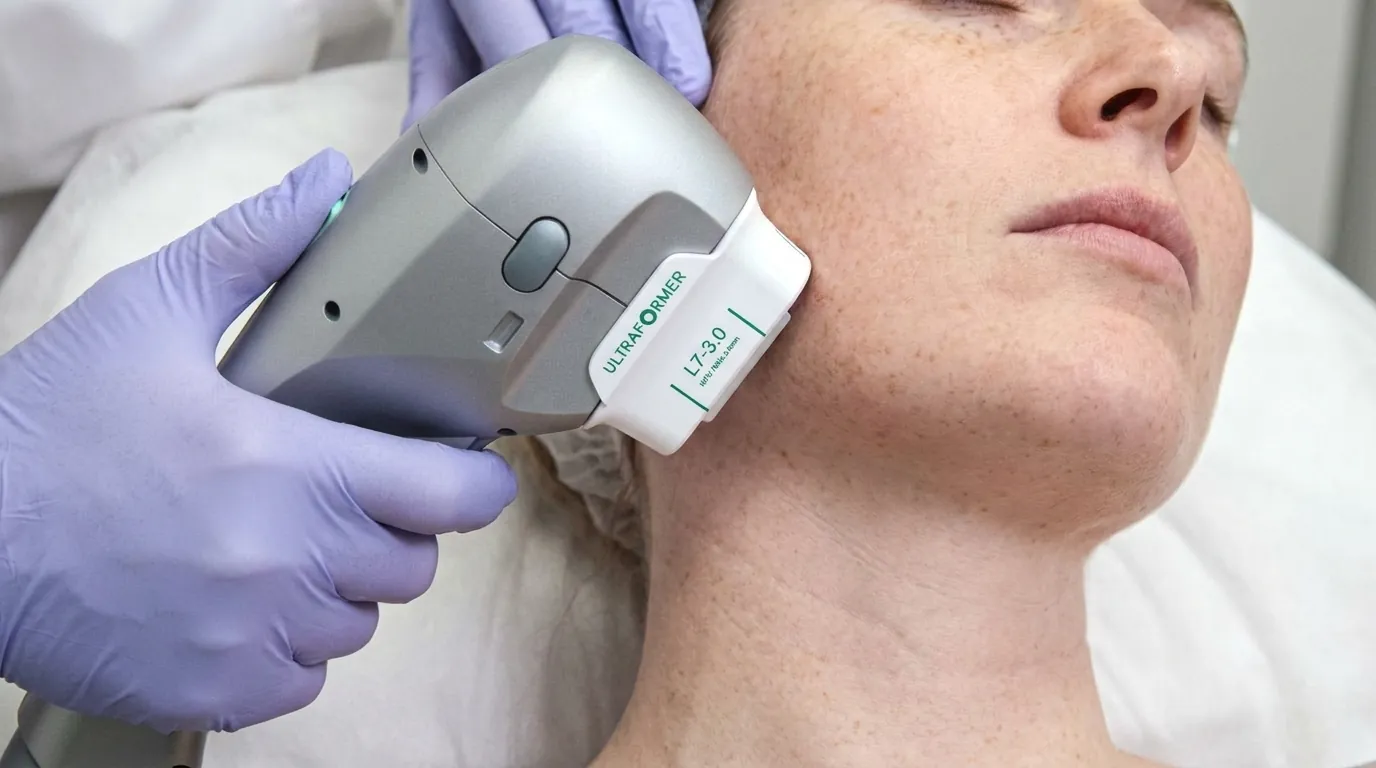
Halo is better for colour: sun spots, uneven tone, dullness and fine lines. It is a laser that resurfaces the top of the skin, usually one or two sessions, with about a week of peeling. Morpheus8 is better for acne scars, rough texture and mild laxity, because its needles place radiofrequency heat below the surface. Surface colour or deeper tightening is the whole decision, and plenty of people end up having both, months apart.
What it is
It sends light into thousands of tiny columns in the skin. Some columns are treated deeply, some gently, in the same pass.
Fine needles deliver radiofrequency heat below the skin's surface. No light is involved.
What you do
Usually one session, sometimes two. The treatment itself takes about half an hour.
Roughly a month apart, with numbing cream each time.
What you'll see
Sun spots fade, tone evens out and the skin looks glossier. Fine lines soften.
It works on texture, acne scars and mild laxity at the same time.
What it will not do
The energy is concentrated in the upper layers. Jowls and a soft jawline are not its job.
Radiofrequency heats tissue and ignores pigment, so brown patches stay where they are.
How long until it works
The skin looks better once the peeling finishes. Colour keeps improving for a few weeks after that.
Results build steadily as new collagen forms after the last session.
How long it lasts
Sun exposure is the main thing that undoes it. New spots appear if you stop using sunscreen.
Many people book a single top-up session about once a year.
Downtime
The face is red and hot for two to three days, then goes rough and flakes for a few more. Expect roughly a week before you look normal.
Pink skin with a faint grid of pinpoint dots. Make-up usually covers it by day three.
Skin tone
Halo is light-based, so it interacts with pigment. On deeper skin tones there is more risk of a patch going darker while it settles, and settings have to be dialled back.
Radiofrequency is generally considered safer across skin tones than light-based devices because it heats rather than targeting pigment.
Cost
One or two sessions, so the total is easier to pin down.
Ask for the price of the whole plan rather than one visit.
The at-home or drugstore version
Retinoids, vitamin C and daily sunscreen fade sun spots slowly. They are genuinely useful, but they work on the surface only and take months.
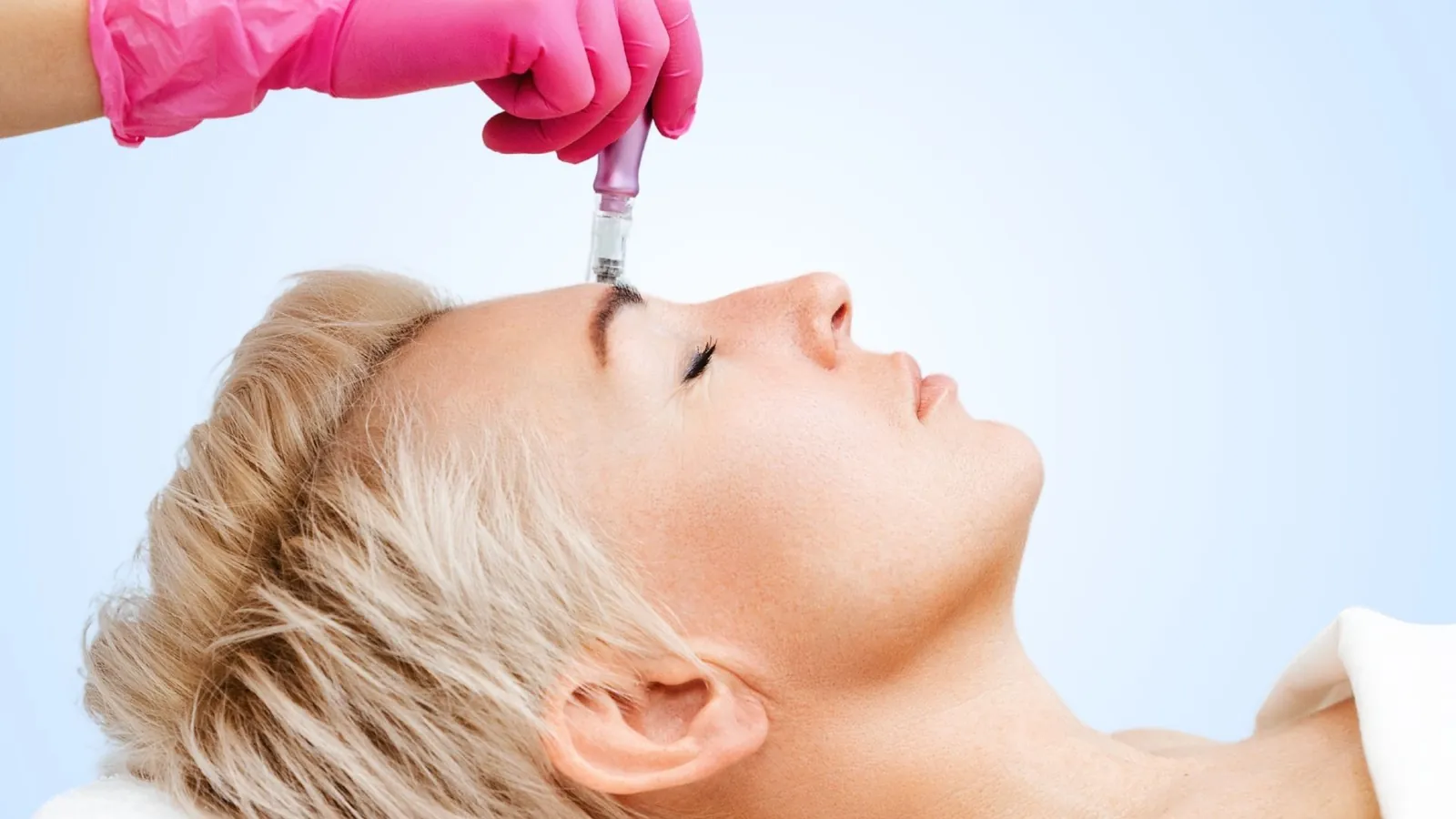
It pricks the surface with much shorter needles and adds no heat. Home radiofrequency wands warm the surface and never reach the depth a clinic device works at.
The decision is above or below
Halo works on the top of the skin: Colour, dullness, sun damage and fine crepey lines all live there. If you look in the mirror and the problem is what shade your skin is, Halo is the treatment aimed at that.
Morpheus8 works below the surface: Acne scars, rough texture and skin that has lost its firmness sit deeper, in the dermis. Heat placed at that level is what makes the skin contract and rebuild.
Neither one does the other's job well: A laser aimed at pigment will not lift a jawline. Needles delivering heat will not fade a sun spot.
Having both
Many people end up having both, at different times: A common plan is a course of Morpheus8 for texture and firmness, then Halo later for colour, or the reverse.
They are not done in the same visit: Both make the skin heal an injury, and doing both at once asks too much of it at one time. Clinics usually leave at least a month, often more.
Skin tone changes the balance
Halo is light-based, so your skin tone is part of the plan: Light treatments carry a risk of the treated skin going darker afterwards, and that risk is higher for deeper skin tones. It is manageable with careful settings and a test patch, but it is a real conversation to have.
Morpheus8 does not target pigment: It heats tissue instead, so it is generally considered safer across skin tones. Careful settings still matter.
Before you book
Say which bothers you more: the colour of your skin, or its texture and firmness.
Ask how much time off you need. Halo's peeling week is the one people underestimate.
Ask whether the plan is one session or a course, and what the full cost is.
Plan around sun. Neither treatment sits well with a beach holiday two weeks later.