Jessner Peel vs VI Peel
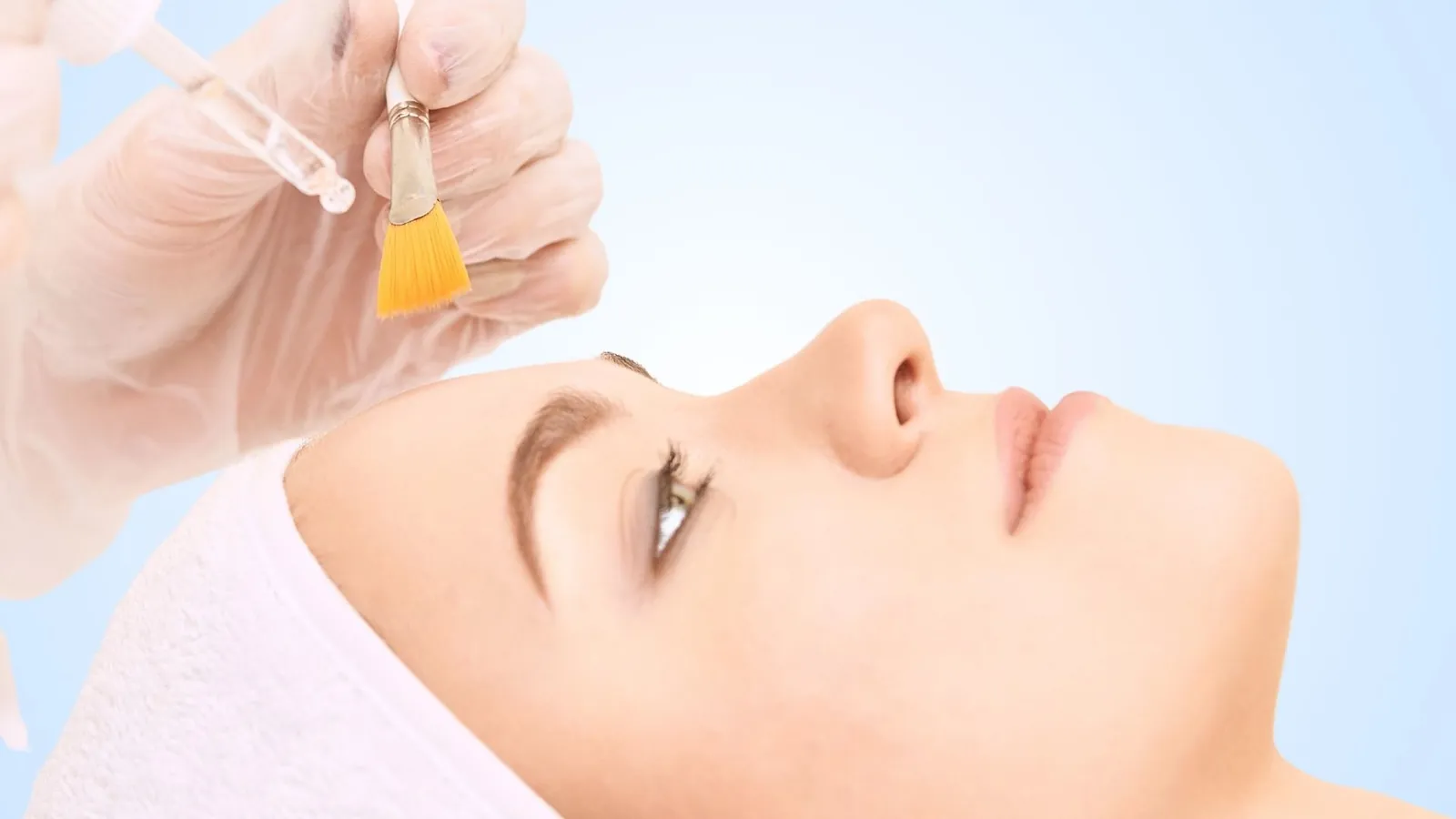
The Jessner peel is a classic mixed-acid formula and the depth is set by how many layers go on. One layer is a light peel. Four or five is a medium one. The VI Peel is a branded blend sold as a kit, with a take-home aftercare set. It is more standardised, and slightly gentler in most hands. Both make you peel visibly for several days, and the person applying it matters more than the name on the bottle.
What is in it
Three ingredients in alcohol, in equal shares. Many clinics use a modified version that swaps out the resorcinol, which is the ingredient most likely to irritate.
Trichloroacetic acid with salicylic acid, retinoic acid, phenol and vitamin C. Several named versions exist for acne, pigment and ageing.
How the depth is decided
The clinician paints on a layer, watches the skin, and decides whether to add another. That is the control dial. One layer is superficial. Several take it to medium depth.
A set solution is applied in a set way, then left on and washed off at home hours later. The version chosen does most of the deciding.
What it is best at
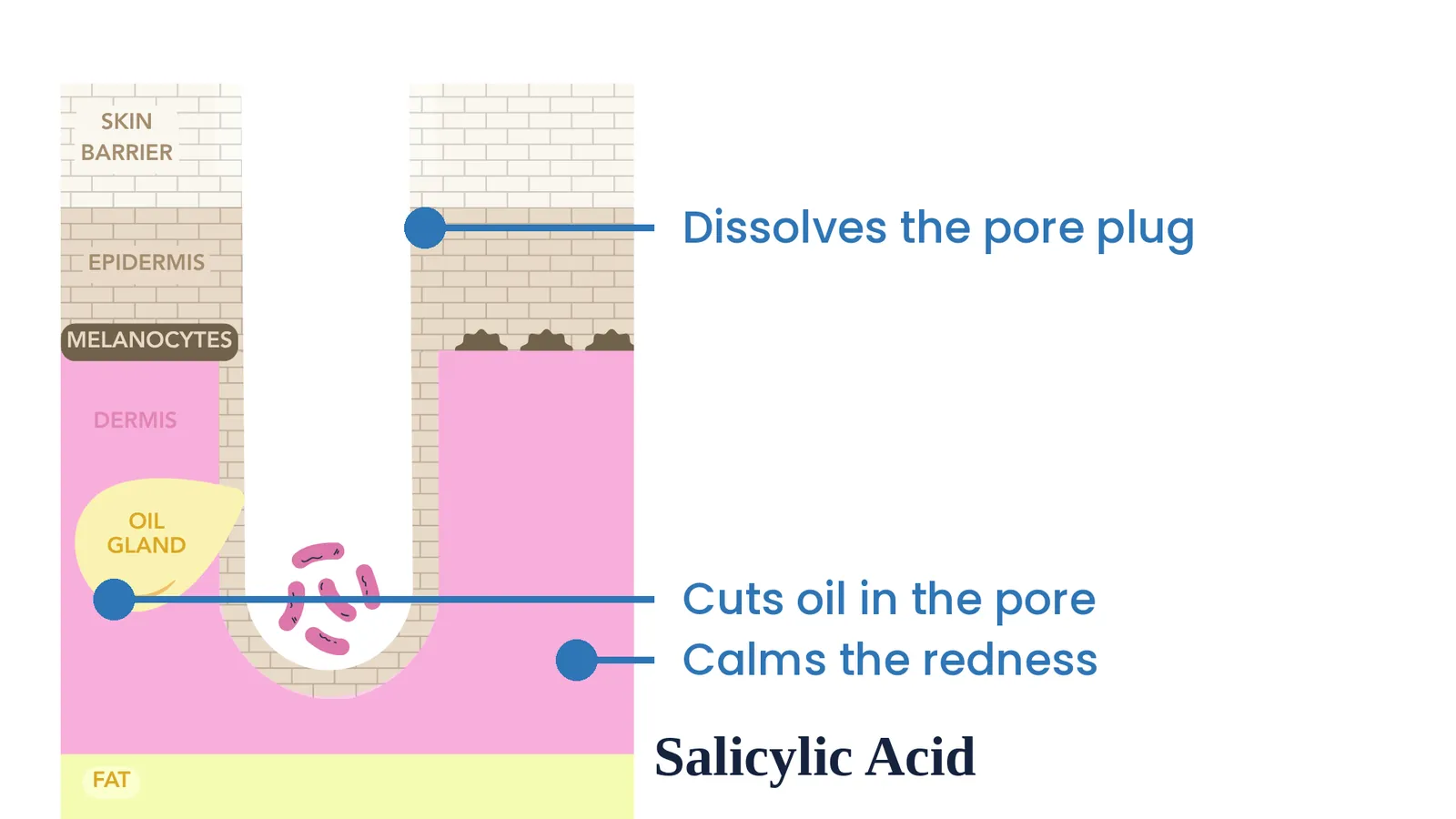
The salicylic acid gets into oily pores, so it suits congested and acne-prone skin as well as uneven tone.
Sun damage, melasma, patchy colour and marks left behind by acne. There is a version aimed at active acne too.
What you will see
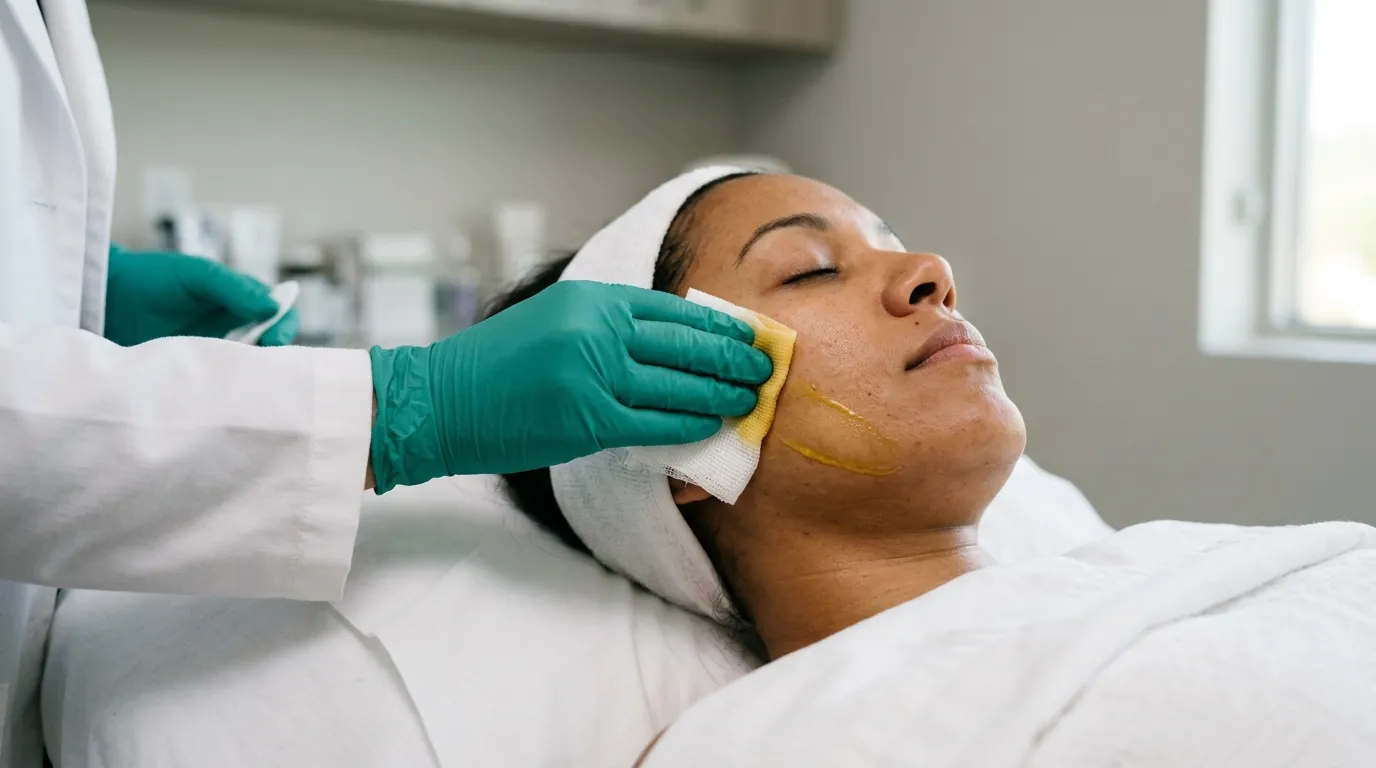
A white frost may appear during treatment. Flaking starts around day two or three and runs five to seven days.
Peeling starts around day three and usually runs three to five days. It tends to flake rather than come off in sheets.
What it feels like
Stinging and heat during application, strongest on the later layers. A fan helps. The heat settles within an hour.
Tingling as it goes on, then a tight, sunburnt feeling for the rest of the day.
Downtime
Obvious enough that most people plan around it. Makeup sits badly on flaking skin.
Still obvious, usually a shorter stretch.
How many peels
Every four to six weeks, with layers often increased as the skin gets used to it.
Every four to six weeks, then a maintenance peel a few times a year.
Skin tone
Any medium peel can leave a darker patch behind on deeper skin. Priming the skin beforehand and strict sun protection afterwards lower that risk.
Marketed as suitable for all skin tones, and it is widely used on deeper skin. The same risk of a darker patch still applies.
Cost
The solution is a generic pharmacy compound, so the price mostly reflects the clinician's time.
The fee covers the branded solution and the take-home aftercare pack. Ask what a series of three costs.
The at-home or drugstore version
Home acid pads use much lower strengths and come off in minutes, so they loosen the very top layer only. Buying the solution online and applying it yourself is how people end up with burns. The whole method is judging when to stop.
The take-home part of a VI Peel is the post-peel cream and towelettes that finish the process. It is not sold as a treatment you can do alone, and the active solution is applied in clinic.
Who each suits
Both are medium-depth peels doing the same job
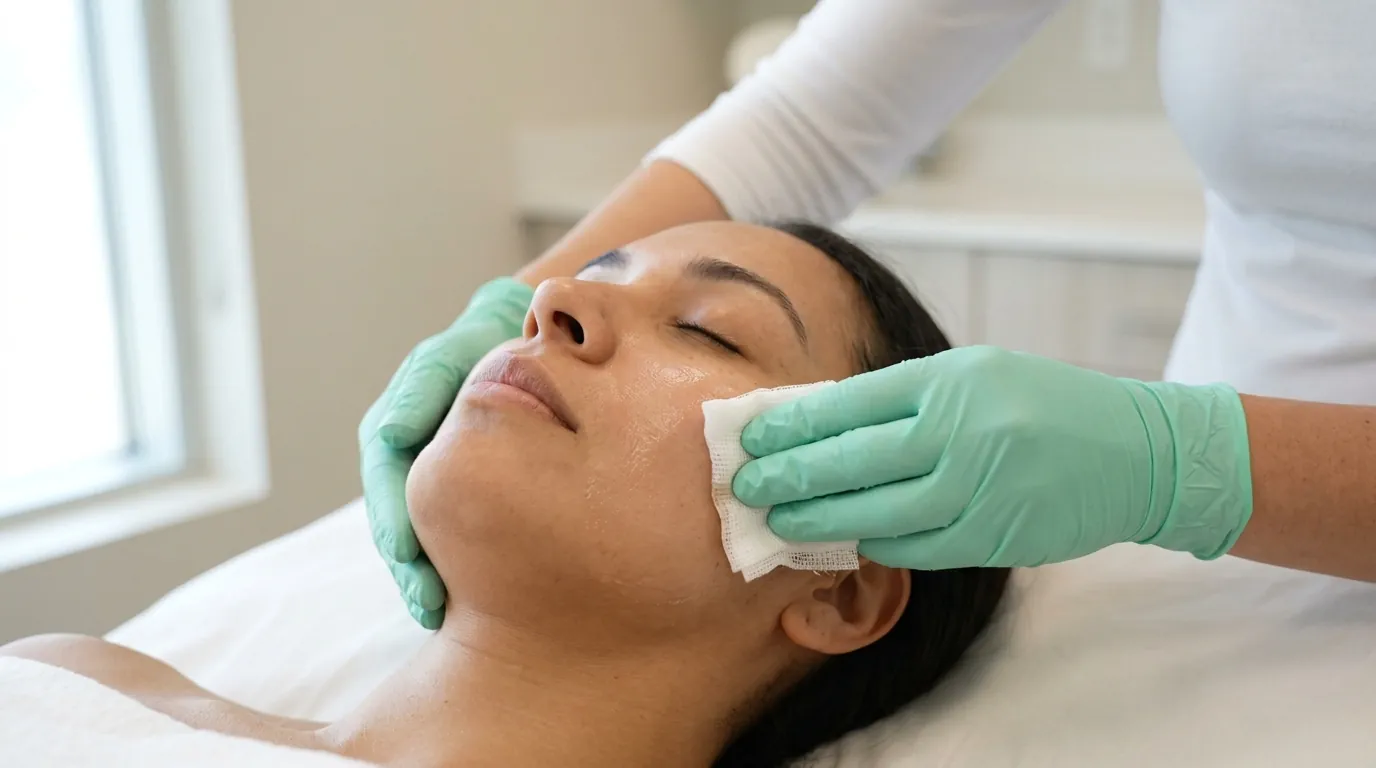
A chemical peel removes the upper layers of skin in a controlled way: The acids loosen the bonds between cells so those layers lift off over the following days. What grows back is newer and more even.
Depth is what decides the result, not the brand: A superficial peel refreshes tone. A medium peel reaches deeper and does more for pigment and fine lines, at the price of a week of peeling. Both of these can be taken to medium depth.
So the useful question is how deep, not which name: Ask what depth is planned and what you should see on each of the following days.
The operator matters more than the formula
Jessner is applied by judgement: The clinician watches the skin change as each layer goes on and decides when to stop. An experienced hand gets a strong, even result. An inexperienced one either wastes your week or takes the skin too far.
VI Peel is applied by protocol: The solution and the method are set by the company, and staff are trained on that protocol. It is more predictable and harder to overdo, which is part of why medspas like it.
That difference cuts both ways: A standardised peel is safer with a less experienced provider. A layered peel is more adjustable with a skilled one. Ask how many of these the person has done, on skin like yours.
What neither one does
Neither one lifts a deep scar: Removing layers evens out colour and the very top of the surface. An indent you can feel with a fingertip needs needling or a resurfacing laser instead.
Neither one is a cure for melasma: Peels can lighten it, and it comes back with sun and time. Daily sunscreen and a maintenance plan are what hold the result.
Neither one replaces your daily routine: A peel three times a year works alongside a retinoid and sunscreen. It does not stand in for them.
Before you book
Ask what depth is planned and how many layers or which formula.
Ask to see photos of their own patients, ideally with a similar skin tone to yours.
Book it at least two weeks clear of any event, and further clear of a sun holiday.
Say if you are using a retinoid, a prescription acne medication, or anything for pigment. It changes the timing.
Do not pick or pull at the peeling skin. Let it come off in its own time.