VI Peel vs Microneedling
The VI Peel is a medium-depth chemical peel. It works mainly on colour: uneven tone, pigment and mild roughness, by making the top layers shed. Microneedling goes deeper and works on shape. It has the better evidence for acne scars and rough texture. Peel for colour, needling for indents, and plenty of people end up having both.
What is done to you
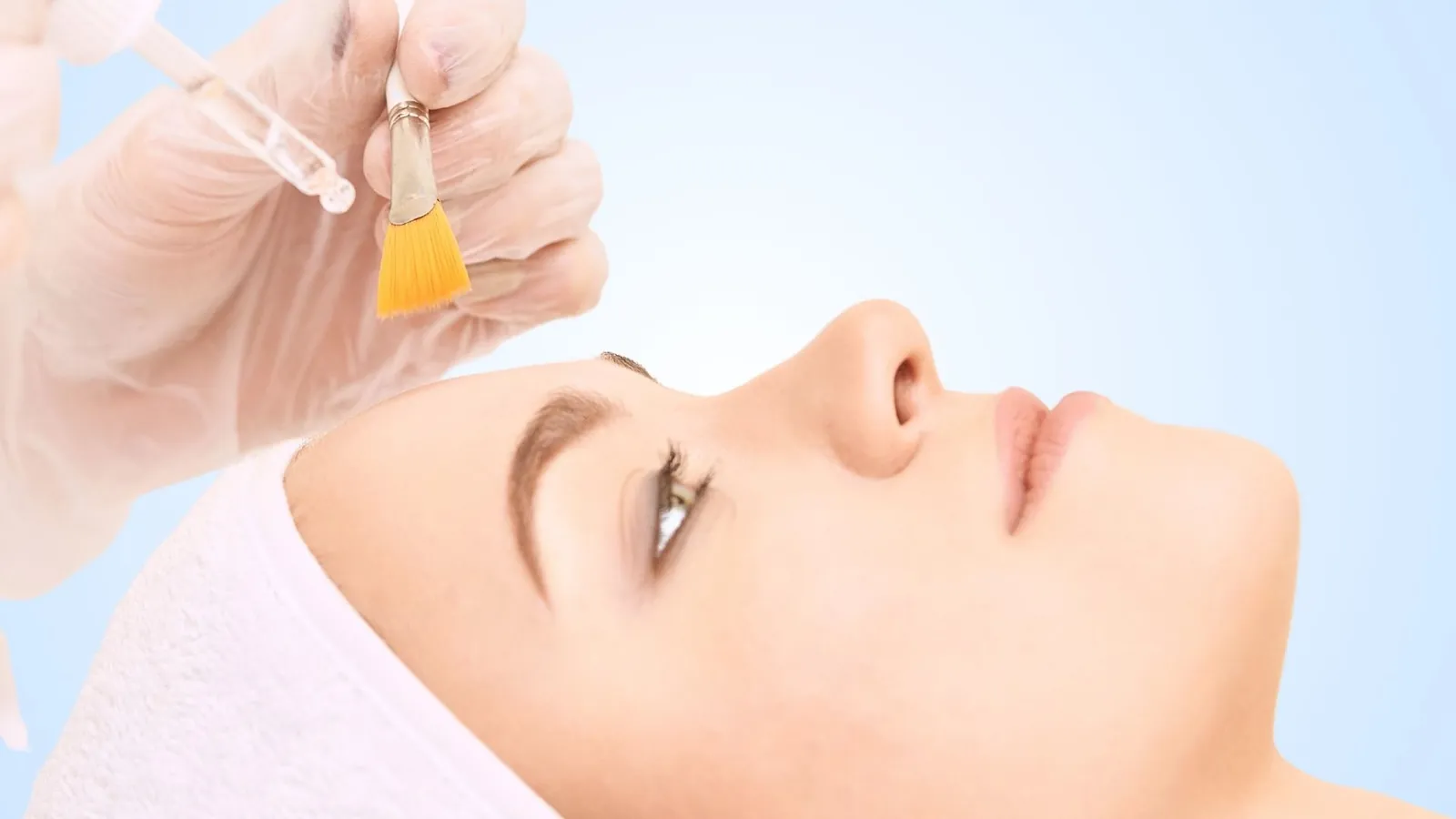
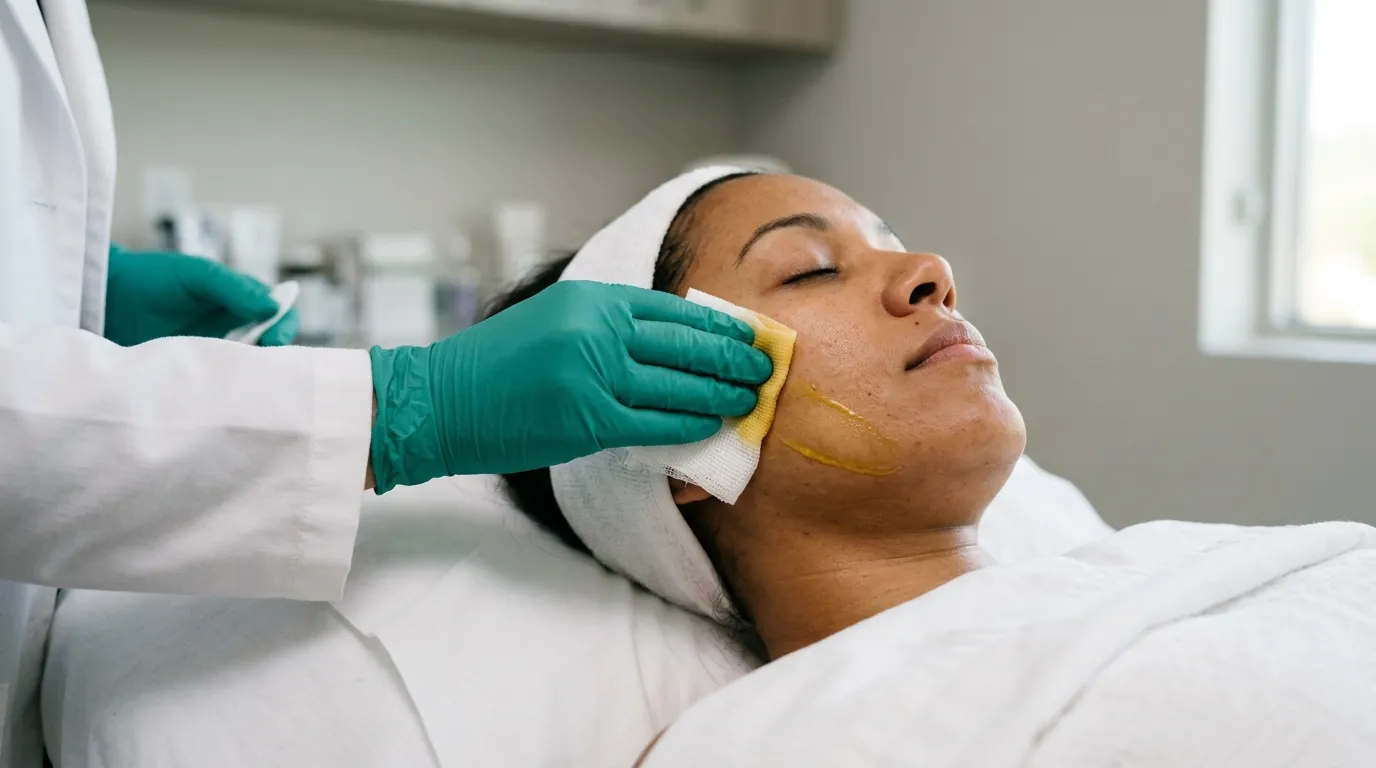
A blend of acids is applied in layers and stays on for hours. It makes the upper layers of skin lift and shed.
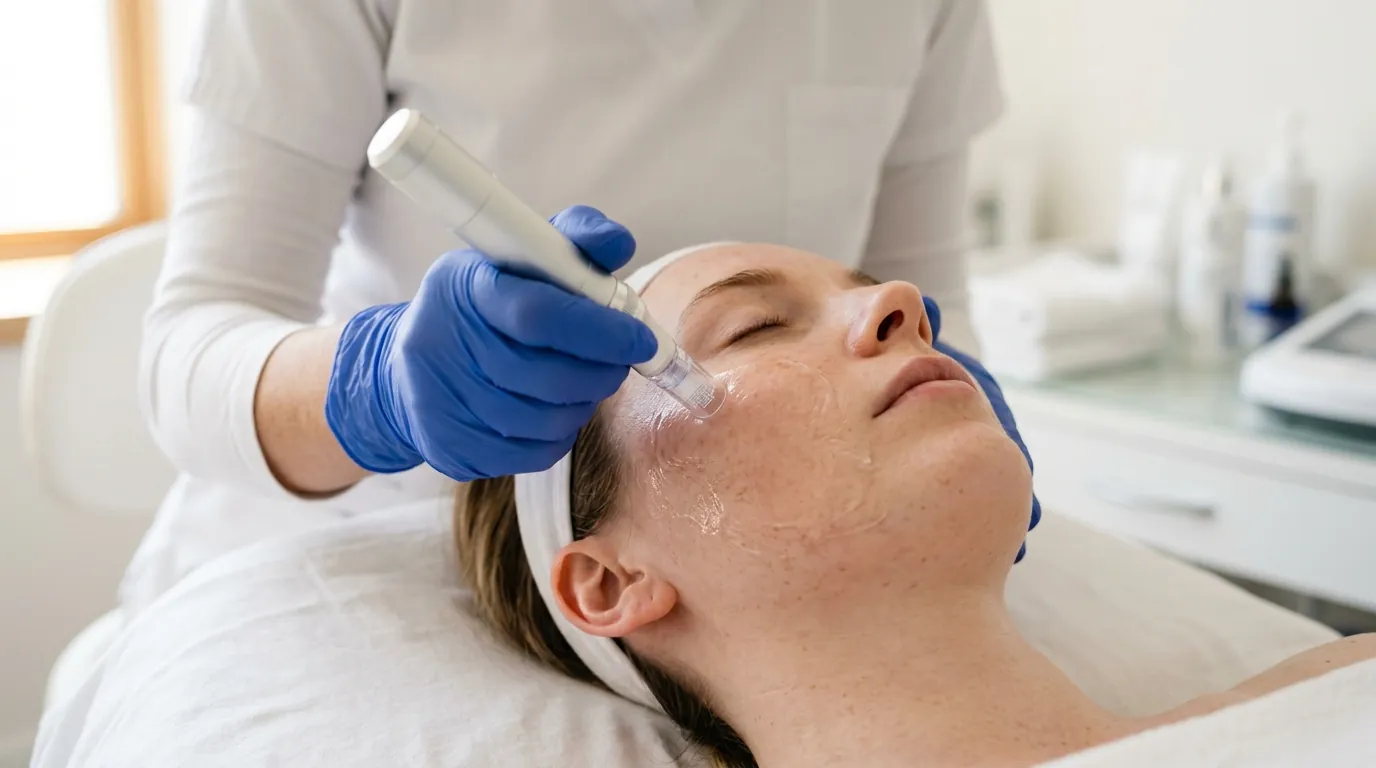
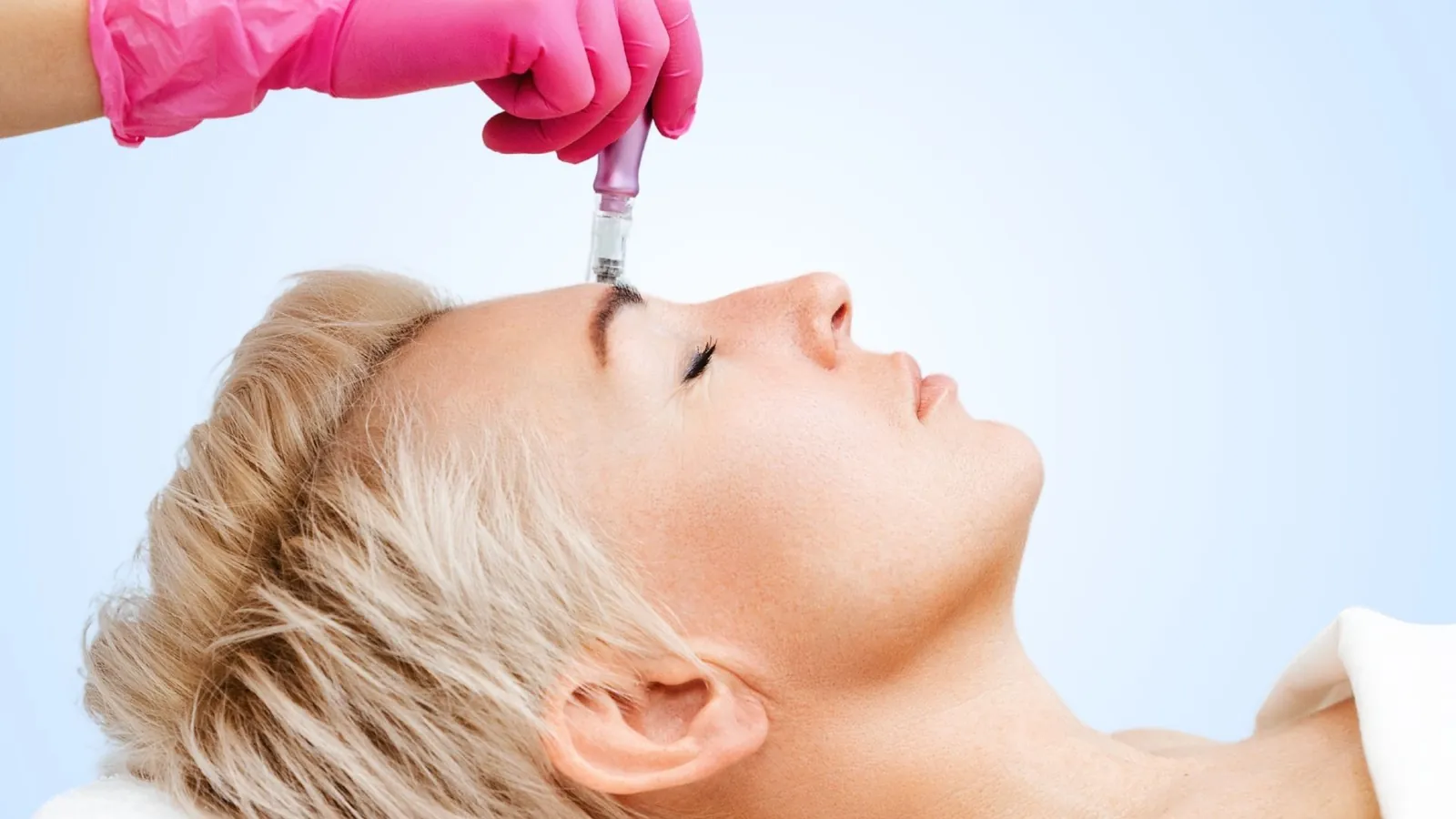
Steel needles 0.5 to 2.5 mm long puncture past the epidermis into the dermis, the layer where collagen is made. Healing those wounds builds new collagen.
What it is best at
Sun damage, patchy colour, marks left after acne, and a dull or rough surface.
Rolling and boxcar acne scars, open pores and general roughness. This is where the published evidence sits.
What it will not do
Shedding layers evens out colour and the very top of the surface. An indent you can feel usually stays.
Needling works on shape, not on colour. Brown patches and sun spots need a peel or a light-based treatment.
What you will see
Flaking starts around day two or three and runs about five days. The even tone shows once it finishes.
Change builds over months as new collagen forms. Deep, narrow icepick scars improve least.
How long until it works
The usual plan is three peels, four to six weeks apart.
A course is three to six sessions, about a month apart.
How long it lasts
New pigment arrives every summer, so most people repeat a few times a year.
New collagen stays, but skin keeps ageing.
What it feels like
The solution tingles as it goes on. The skin then tightens over the next day.
Numbing cream first. The forehead and the jawline are the tender spots.
Downtime
Flaking rather than sheets. Make-up sits badly on it, and picking at it causes marks.
Redness for one to three days, then light flaking.
Skin tone
Peels are used across skin tones, but any peel can leave a darker patch behind on deeper skin. Strength and aftercare matter.
Needling has no pigment target at all. That is why it is often the first choice for deeper skin tones.
Cost
Ask what a series of three costs.
Ask for the price of the whole course.
The at-home or drugstore version
Home acid pads and masks use lower strengths and short contact times. They exfoliate the very top layer. They do not reach the depth a clinic peel works at.
Home rollers use short, blunt needles that dull quickly and are hard to keep clean. They pierce enough to inflame skin, not enough to remodel it. A reused roller is the most common way people pick up an infection from needling.
Who each suits
Chemical shedding versus mechanical injury
A peel removes: The acids loosen the bonds between cells in the upper layers, and those layers lift away over the following days. What is left underneath is newer, more even skin.
Needling rebuilds: Nothing is removed. The punctures set off a repair response, and that repair lays down collagen in the dermis, which is what can lift the floor of a shallow scar.
That difference explains the results: Removing layers is very good at colour and mild surface roughness. It is poor at indents, because the indent goes deeper than the layers being removed.
Marks are not the same as scars
A lot of people say scars when they mean marks: After a spot heals it often leaves a flat brown or red patch. That is a mark, and it is a colour problem.
A scar is a change in shape: Run a fingertip over it. If you can feel a dip, it is a scar.
Peels are good at marks. Needling is good at scars: Getting this right is the single biggest thing that decides whether you are happy with the result.
The downtime is different in kind
A peel means visible peeling: Flaking usually starts on day two or three and runs about five days. It is not painful, but it is obvious, and picking at it is the main cause of new marks.
Needling means redness: You look sunburnt for one to three days and then flake lightly. Make-up is usually fine after a day. If you have an event coming, the peel is the one that needs a clear week.
Nobody has compared them head to head
Microneedling has years of published work on acne scars, where it clearly improves shallow rolling and boxcar scars. Chemical peels have a long record for pigment and uneven tone. No trial has put the two against each other, and neither record answers for the other treatment.
Before you book
Feel the area with a fingertip. Flat discolouration points to the peel. A dip points to needling.
Ask what a full series costs, in both cases.
With deeper skin, ask what the clinic does to lower the risk of a darker patch afterwards.
Do not book either one within a few weeks of a sun holiday.
If you are on a prescription acne medication, say so first. It changes the timing for both.