Ketoconazole 1 vs 2
Ketoconazole 1% is the drugstore strength. You can buy it as an anti-dandruff shampoo with no prescription, and for ordinary dandruff it is usually enough. Ketoconazole 2% is the prescription strength. It clears flaking faster and comes in creams and foams for skin, which matters for stubborn or widespread seborrheic dermatitis.
What you do
Lather it into the scalp and leave it there for three to five minutes before rinsing. Sold over the counter for dandruff, for adults and children over 12.
The shampoo is used the same way. The 2% strength also comes as a cream, foam and gel for skin on the face, chest and body. The 1% does not.
What it does
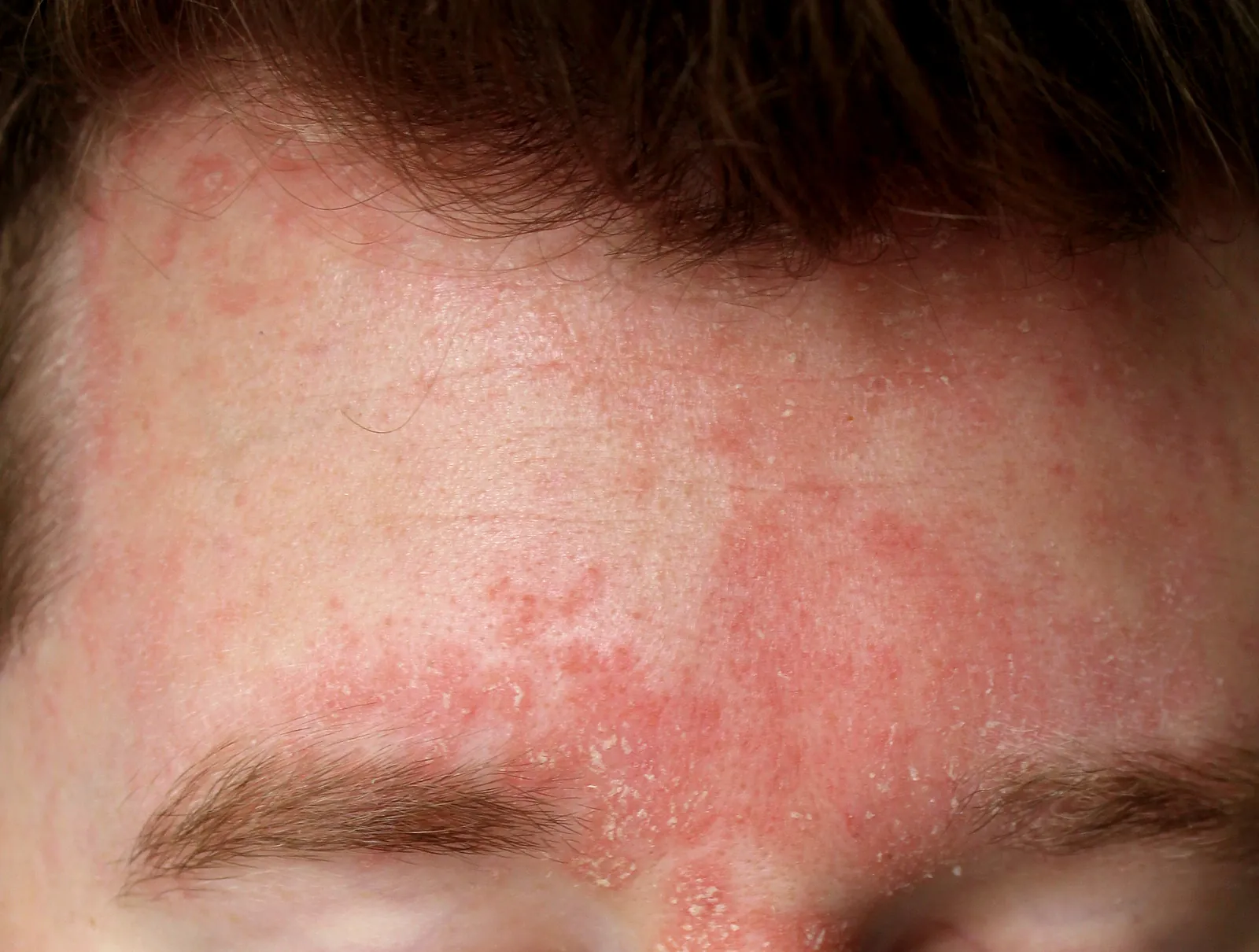
Ketoconazole is an antifungal. It reduces Malassezia, the yeast that lives on everyone's skin and drives dandruff and seborrheic dermatitis in some people.
Same drug, twice the concentration. The trial that compared them found the 2% shampoo reduced both flaking and scalp yeast more than the 1% over four weeks.
What it will not do
Dandruff and seborrheic dermatitis are controlled, not cured. Stop washing with it and the flaking usually creeps back over a few weeks.
Nothing rubbed on the scalp reaches inside a nail, so nail infections need tablets. It is also not a hair growth treatment, whatever the forums say.
How long till it works
Itch often settles in the first week. Give it a full month before deciding it has failed.
Faster, and it usually gets a scalp fully clear where the 1% gets it most of the way.
How long the result lasts
Twice a week keeps things quiet. Stop completely and flaking generally returns within a month or two.
Once it is clear, most people drop to once or twice a week to hold it there.
The downside
The usual complaints are a dry scalp, itching and hair that feels stripped. Some people with colour-treated hair find it dulls.
A higher concentration means slightly more chance of dryness or stinging. Most people tolerate it, and using it less often usually solves it.
Cost
Around the price of a premium shampoo, and a bottle lasts a couple of months at twice-weekly use.
That means an appointment. Generic ketoconazole is widely stocked and is usually one of the cheaper prescription options.
Is the 1% strong enough?
For most people with dandruff, yes.
The 1% shampoo is the strength sold for everyday flaking and itch, and it handles that job. Plenty of people control a flaky scalp on it for years without ever needing a prescription.
Ask about the 2% if you have used the 1% properly for a month and the scalp is still flaking. Ask about it if the scale is thick rather than dusty. Ask about it if the same problem is on your face, ears and chest. Skin outside the scalp is where the 2% earns its place, because that is where the creams and foams are.
How you use it matters more than which strength you buy
Leaving it on the scalp is the whole trick: Ketoconazole needs three to five minutes of contact to work. Most people lather and rinse in under a minute, which is close to washing the medicine straight down the drain.
Reaching the scalp matters as much as the timing: Work it in with your fingertips onto the skin, not the hair, and pay attention to behind the ears and the back of the head. Those spots get missed and they are where flaking hangs on.
A 1% shampoo used properly beats a 2% shampoo used badly. If yours has not worked, check these two things before you decide the strength is the problem.
What the trial actually showed
One study compared the two shampoos directly in people with severe dandruff and seborrheic dermatitis. The 2% did better than the 1% on both flaking and the amount of yeast on the scalp, at two weeks and again at four (PubMed).
That is a real difference, and it is a difference of degree rather than kind. The 1% is the same drug doing the same thing, more slowly and slightly less completely.
It is also worth knowing what each strength is sold for. The 1% shampoo is marketed for dandruff. The 2% shampoo is used for dandruff too, and it is the strength used for tinea versicolor, the flat pale or dark patches that show up on the chest and back.
If neither strength is working
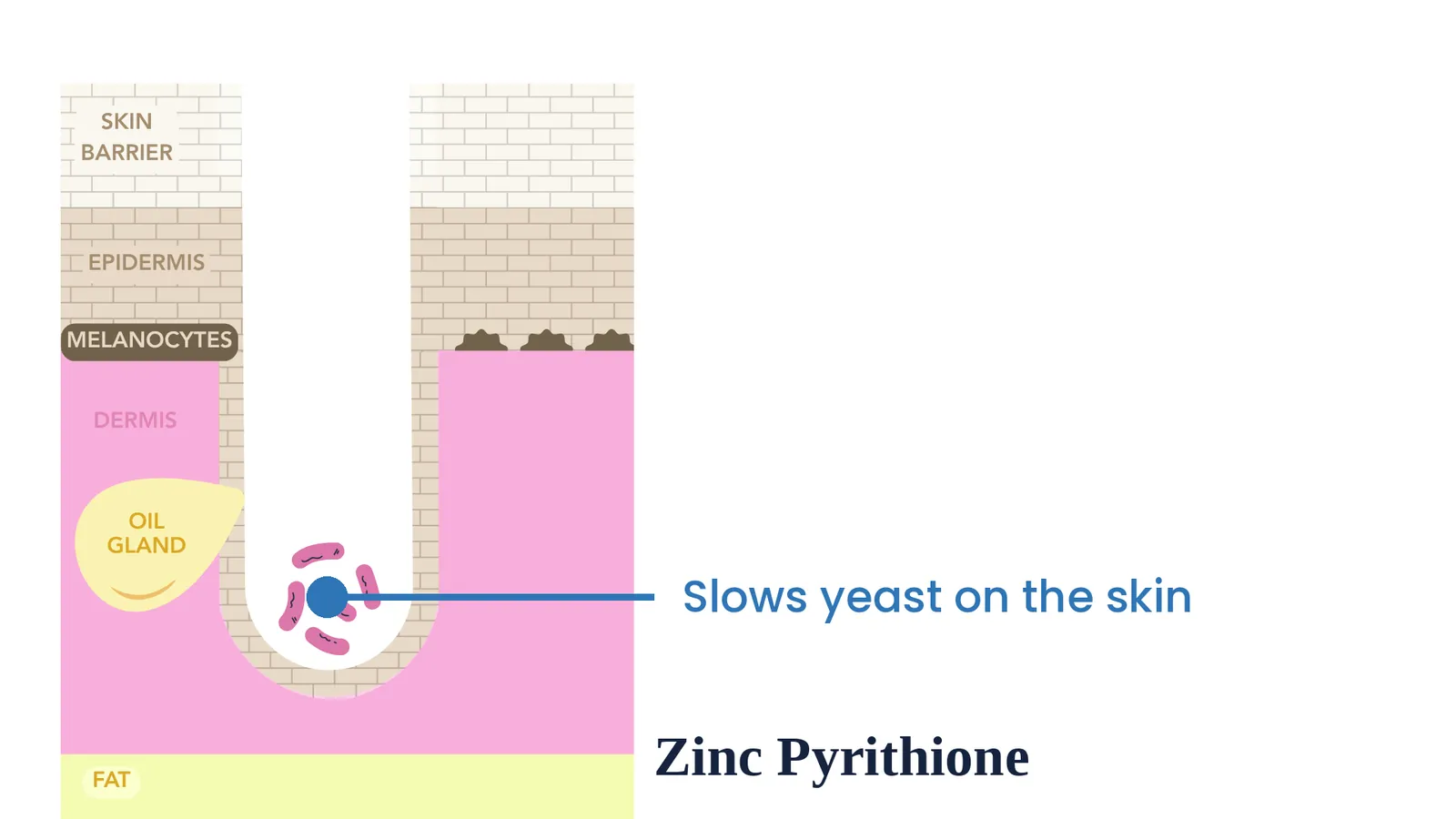
Rotate rather than escalate. Malassezia responds to several ingredients, and switching between them works better than pushing one harder. Zinc pyrithione, selenium sulfide and ciclopirox are all fair alternatives. Many people alternate two shampoos through the week.
Check the diagnosis if a month of correct use has done nothing. Scalp psoriasis, plain dry scalp and contact reactions to hair products all flake, and none of them respond to an antifungal.
Ask about a prescription foam or lotion if the scalp is inflamed rather than just flaky. A short course of a steroid solution alongside the antifungal settles redness that a shampoo alone leaves behind.
One thing to keep separate: ketoconazole tablets are a different medicine from the shampoo and cream. They are rarely used for skin conditions now, and the shampoo carries none of the same considerations.