Laser Resurfacing vs Microneedling
Laser resurfacing does more in one go, and asks for more time off. It heats or removes columns of skin, and the skin rebuilds itself over the following weeks. It handles scars, wrinkles and sun damage together. Microneedling is the gentler course. It uses no light, so texture and acne scars improve without the pigment risk a laser carries. One split-face study in deeper skin tones found the laser did more for rolling and boxcar scars, and left more dark marks behind.
What touches your skin
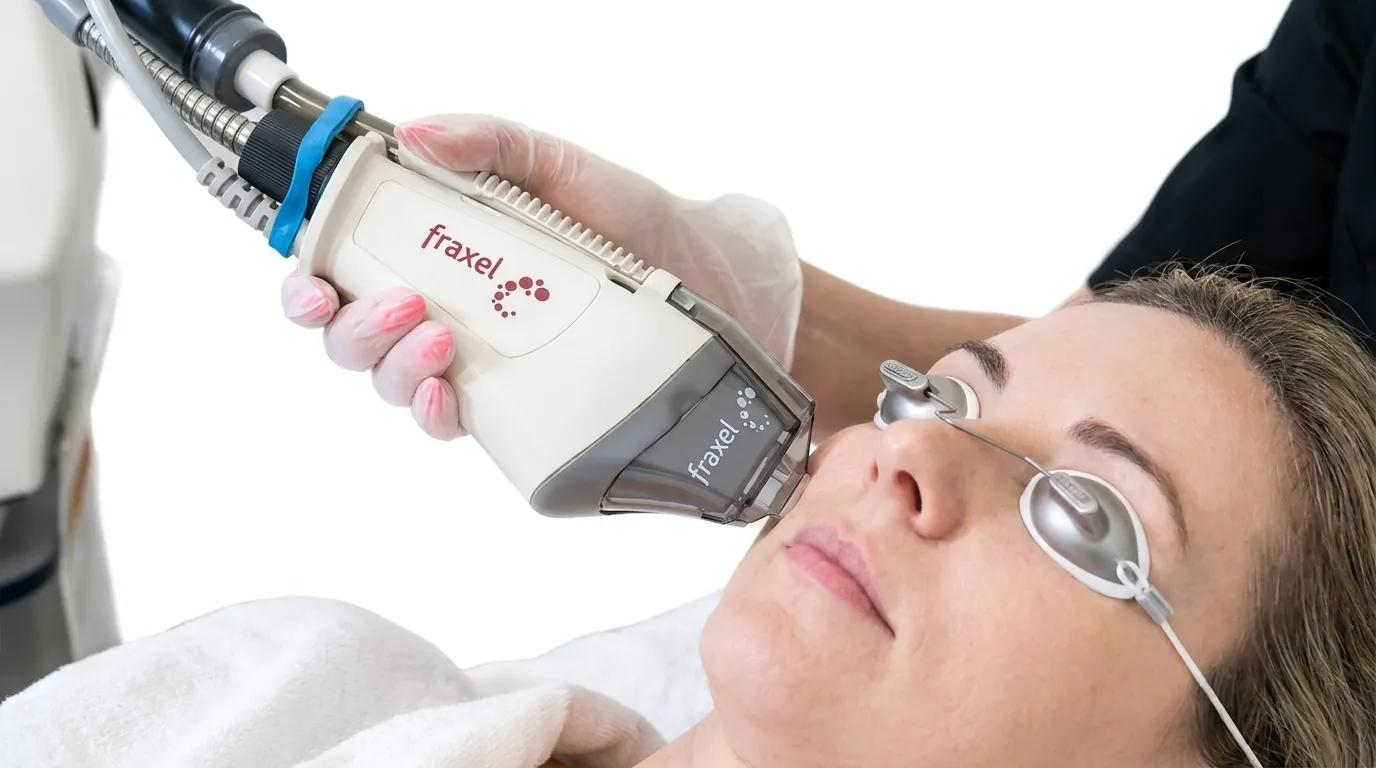
The laser treats a fraction of the surface and leaves the skin between the columns alone. That untreated skin is what heals the rest.
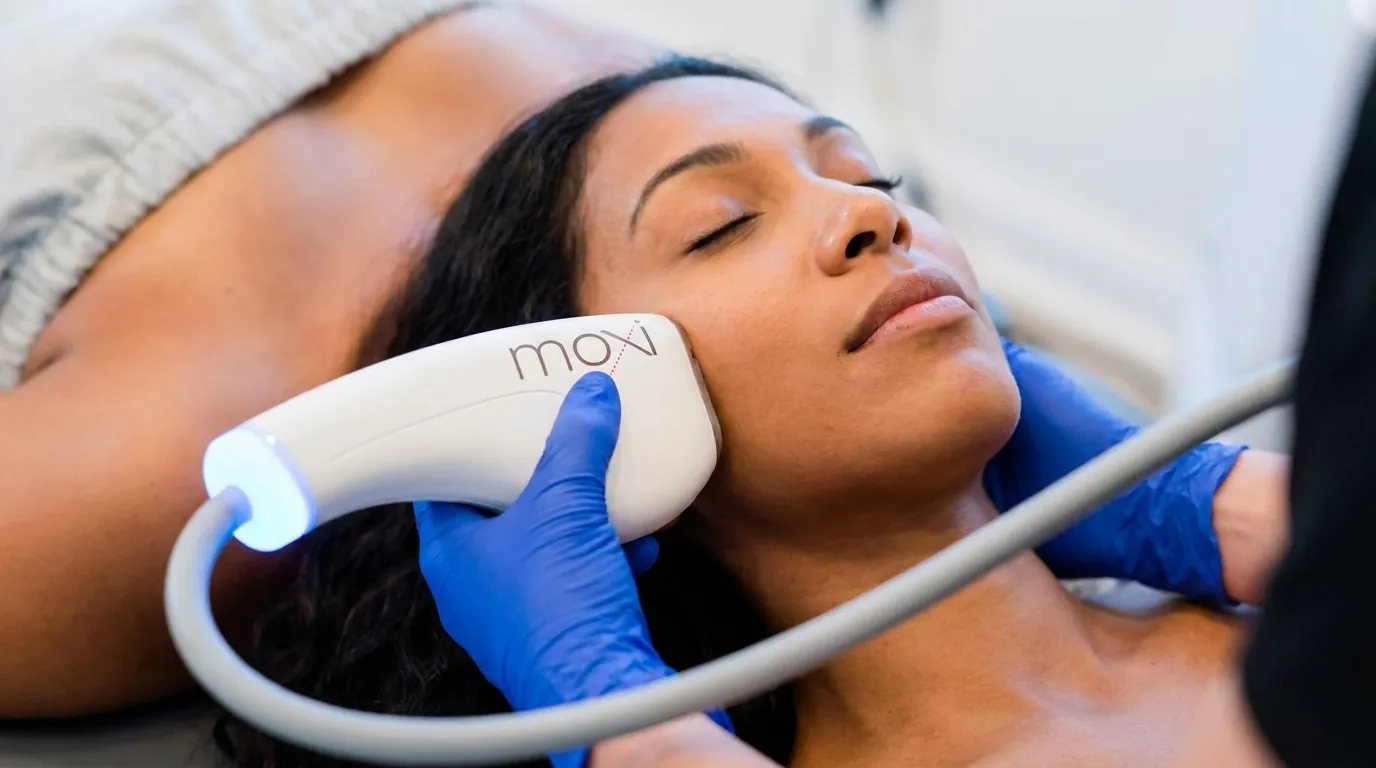
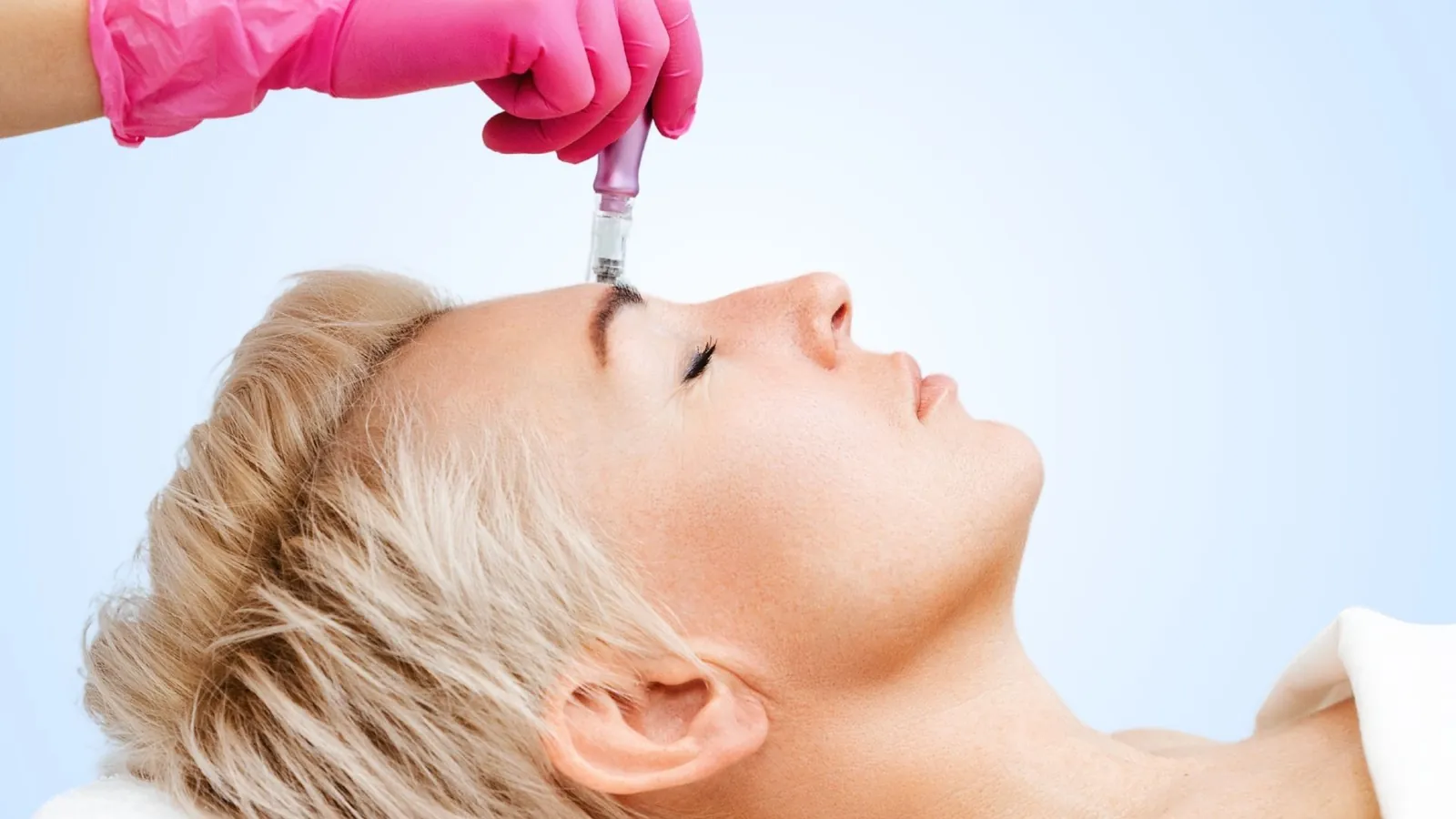
A motorised pen makes thousands of channels into the dermis, the layer where collagen is made. Repairing them builds new collagen.
What it is best at
It works on texture and colour in the same session, because heat and light both act on the surface layers.
Rolling and boxcar scars, open pores and general roughness. Deep, narrow icepick scars improve least.
What it will not do
Resurfacing changes the surface. Jowls and a slack neck need a different kind of treatment.
Needling works on the shape of the skin, not its colour. Brown patches and redness stay where they are.
What it feels like
Numbing cream first, and stronger settings may need more than that. The heat lingers for hours afterwards.
Numbing cream first as well. The forehead and jawline are the tender spots.
Downtime
The gentler lasers give redness, swelling and a bronzed, flaky look for about a week. The strongest ones remove surface skin, and that means proper wound care for one to two weeks.
Redness, then light flaking. Make-up is usually fine after a day.
How many sessions
A single ablative session can do the job. The non-ablative version is a course, four to six weeks apart.
Deeper scarring often needs the longer end of that range.
How long it lasts
New collagen is real change. Sun exposure brings new pigment back sooner.
Also real change, in smaller steps. Many people repeat a session or two each year.
Skin tone
Any laser can leave a patch that heals darker or lighter, and that is more likely on deeper skin tones. It is managed with lower settings and longer gaps, not ignored.
No light is involved, so the mechanism behind laser burns is absent. This is why needling is often the first choice for deeper skin.
Cost
An ablative treatment may be one big number. Ask what a full plan costs, not one visit.
Ask for the price of the whole course.
The at-home or drugstore version
Home fractional wands put a fraction of the power into the surface and never reach the depth a clinic laser works at. A nightly retinoid is slower and it genuinely works on texture and fine lines.
A roller drags sideways as it turns, so it tears the skin instead of puncturing it. Home needles are short and blunt quickly, and a blunt needle does more damage than a sharp one.
Who each suits
Two very different treatments share the name
"Laser resurfacing" covers a wide range of strength: The word on a price list tells you very little on its own, and two clinics quoting it may be selling very different weeks of your life.
Non-ablative lasers leave the surface intact: They heat columns beneath the skin and let it flake lightly. That version is a course, and it sits much closer to microneedling in what it asks of you.
Ablative lasers remove surface skin: Carbon dioxide and erbium lasers do far more in a single session, and they need one to two weeks of proper healing.
Ask which one is planned before you compare anything: A gentle fractional session and a full ablative resurfacing are not the same decision.
What a head-to-head study found
One split-face study compared fractional carbon dioxide laser with microneedling in deeper skin tones: Each side of the face got one treatment, so the comparison is as fair as it gets.
The laser improved rolling and boxcar scars more than the needling did: That matches what you would expect from a treatment that removes tissue rather than puncturing it.
The laser also left more dark marks afterwards: Post-inflammatory hyperpigmentation, the brown staining left after skin is inflamed, was the common problem on the laser side.
So the trade is plain: More scar improvement, more risk of a mark that then takes months to fade.
Skin tone changes where to start
Heat is what triggers dark marks after treatment, so the lower-heat option is the safer place to begin: For deeper skin tones, that usually points to microneedling first.
Lasers are still used on deeper skin, carefully: That means lower energy, longer gaps between sessions, strict sun protection, and sometimes a pigment-calming cream started beforehand.
Ask the clinic how often it treats skin like yours: Ask to see their own photos of someone with your skin tone and your concern.
Before you book
Ask which laser, at which strength, and why that one for your problem.
Ask how many days you will not want to be seen. Underestimating this is the usual regret.
Ask what the full plan costs, not one session.
Book away from sun holidays. Neither treatment sits well with a beach two weeks later.
Mention active acne, recent isotretinoin, melasma or a history of cold sores. All four change the plan.