Liposculpture vs CoolSculpting
Liposculpture is liposuction aimed at shape rather than bulk. The surgeon uses finer tubes and works in smaller passes, so it can create definition — a waist, a jawline, a line down the middle of the stomach. It is surgery. CoolSculpting cannot make definition at all. It thins a fold of fat by freezing it through the skin, with no cuts and no time off. If you want an area smaller, freezing is a fair first try, but only surgery can shape one.
What actually happens
The area is numbed with fluid and a thin cannula is worked through the fat in layers, taking a little from one place and leaving more in another.
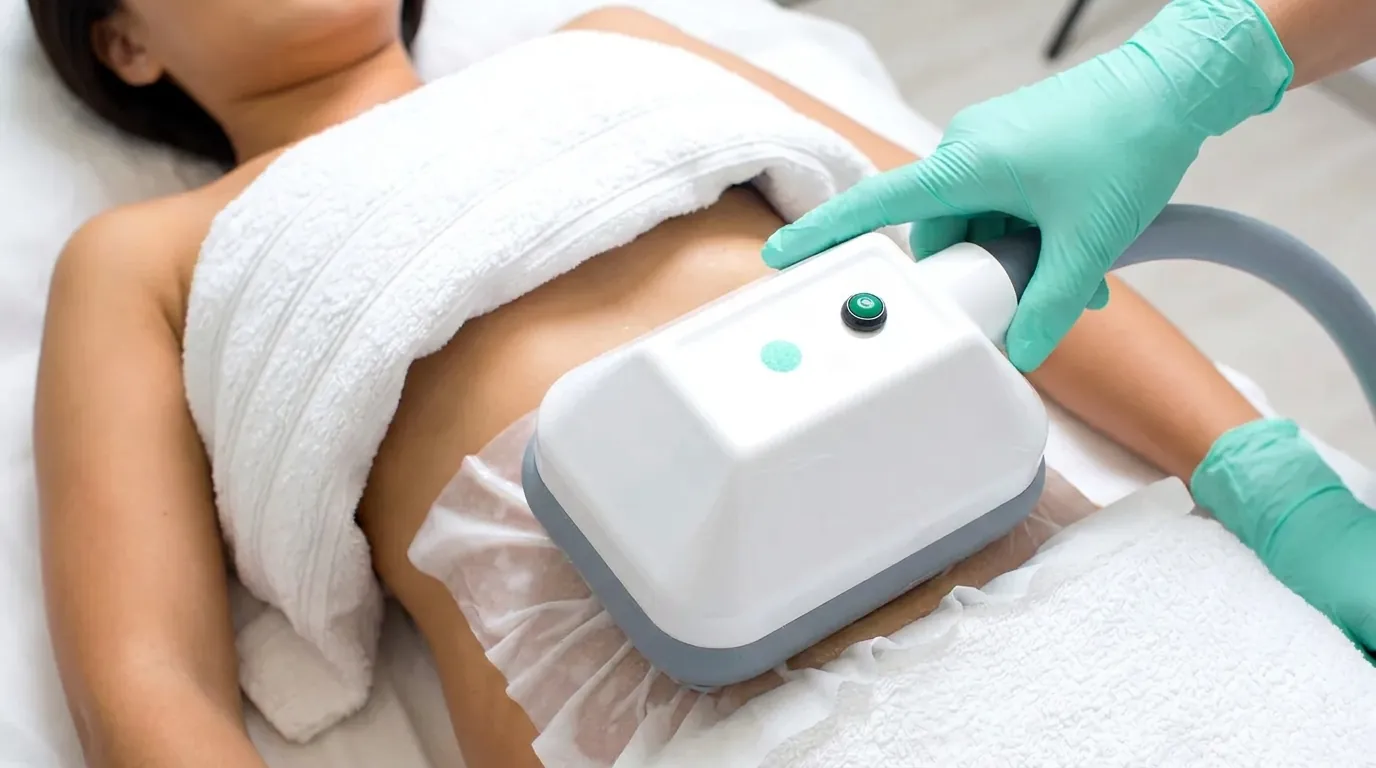
The applicator holds a pinched fold cold for about 35 to 45 minutes. Your body clears the damaged cells over weeks.
What it can do to shape
Thinning fat over a muscle border makes that border show. This is the point of the procedure.
There is no way to leave more here and less there. The applicator treats whatever it grips, evenly.
Anaesthetic
Small areas can be done awake. Larger plans usually mean sedation or a general anaesthetic.
Nothing is injected. The cold numbs the area on its own within about ten minutes.
Recovery
Compression garments for several weeks, swelling that comes and goes, and a final shape judged at three to six months.
The area is numb, red and firm for days to weeks. Most people work the same day.
How many visits
Touch-ups happen, but the plan is a single procedure.
Spaced four to eight weeks apart, with no maintenance after that.
The main downside
Over-thinning one spot leaves a dent or a ripple, and a hard-edged result can look unnatural as you age. Fixing it is harder than getting it right first time.
Paradoxical adipose hyperplasia: months later the treated area becomes firmer and larger rather than smaller. It affects about 0.22% of people, roughly 1 in 455, and liposuction corrects it.
Cost
The at-home or drugstore version
Nothing you can buy removes fat from under the skin, and nothing shapes it.
A gel pack starts cold and warms up while you wear it. The clinic device holds one steady temperature for the whole session, and that is what damages the fat cell.
Who each suits
The word itself is not regulated
"Liposculpture" means whatever the clinic offering it means by it: There is no separate procedure with its own definition. It is a name for liposuction performed with shaping in mind.
Some clinics use it for genuinely detailed work: Finer cannulas, more passes, careful attention to how one area meets the next.
Other clinics use it as a nicer word for ordinary liposuction: Both are fair uses of the word, so ask what will actually be done rather than reading anything into the name.
Shaping is the whole difference
Removing fat and shaping fat are not the same job: Taking a litre out of a stomach makes it smaller. Deciding where that litre comes from is what makes it look shaped.
Only a surgeon in the room can make that decision: They can see and feel the result as they work and change course.
A cooling applicator has no such choice: It treats the tissue it holds, uniformly, and repeats.
What neither one does
Neither one removes skin: Skin that hangs in a fold is not helped by either treatment, and taking the fat from under it can make it look looser.
Neither one is a weight-loss treatment: Both change the shape of an area and leave your weight roughly where it was.
Neither one holds through a big weight gain: The fat cells left behind still enlarge, so both results depend on a steady weight.
Before you book
Ask exactly what "liposculpture" means at that clinic, and which areas will be treated.
Ask who is operating, what their training is, and how often they do this particular procedure.
Ask to see photos of people with your build, at least six months after surgery.
Ask what happens, and who pays, if the shape needs a revision.
For CoolSculpting, ask how many cycles the plan needs and what the whole course costs.