Mesotherapy vs Microneedling
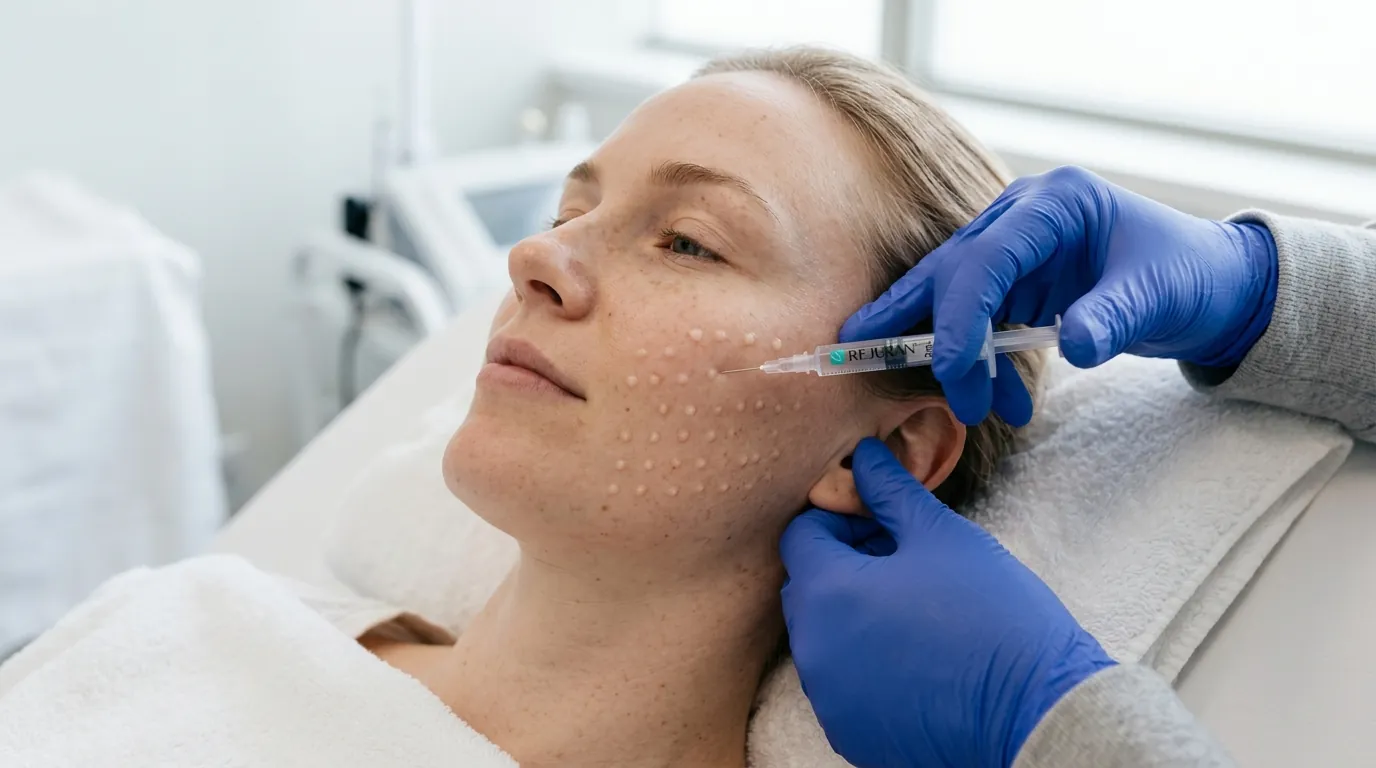
Mesotherapy injects a mixture of substances into the skin through many small punctures. It is aimed at hydration, plumpness and glow, and it fades within months. Microneedling injures the skin on purpose so the skin rebuilds itself. It has the stronger evidence, and it is the one to ask about for acne scars and rough texture. The hard part of judging mesotherapy is that there is no standard recipe, so two clinics offering it may be giving you very different treatments.
What is actually happening
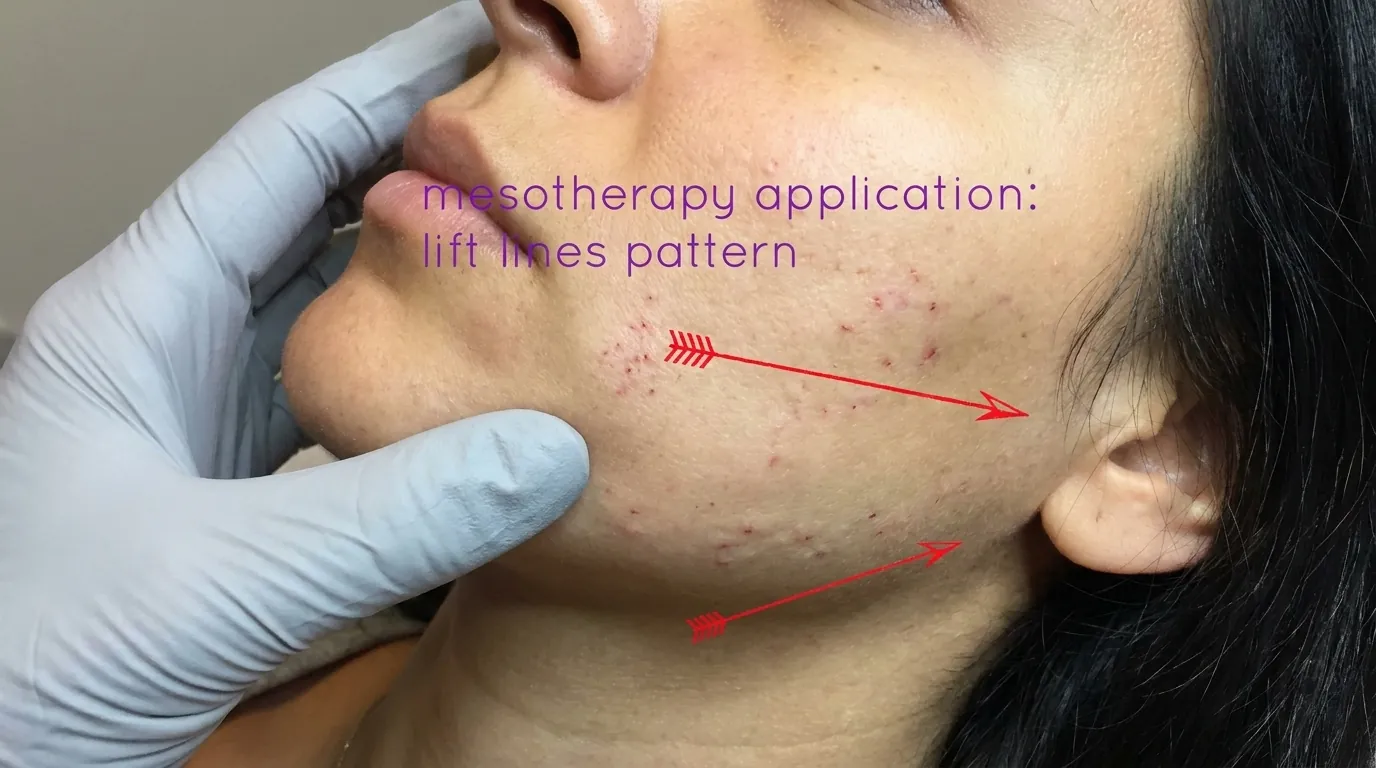
Fine needles deliver small amounts of a solution across the treatment area. The effect depends on what was in the syringe.
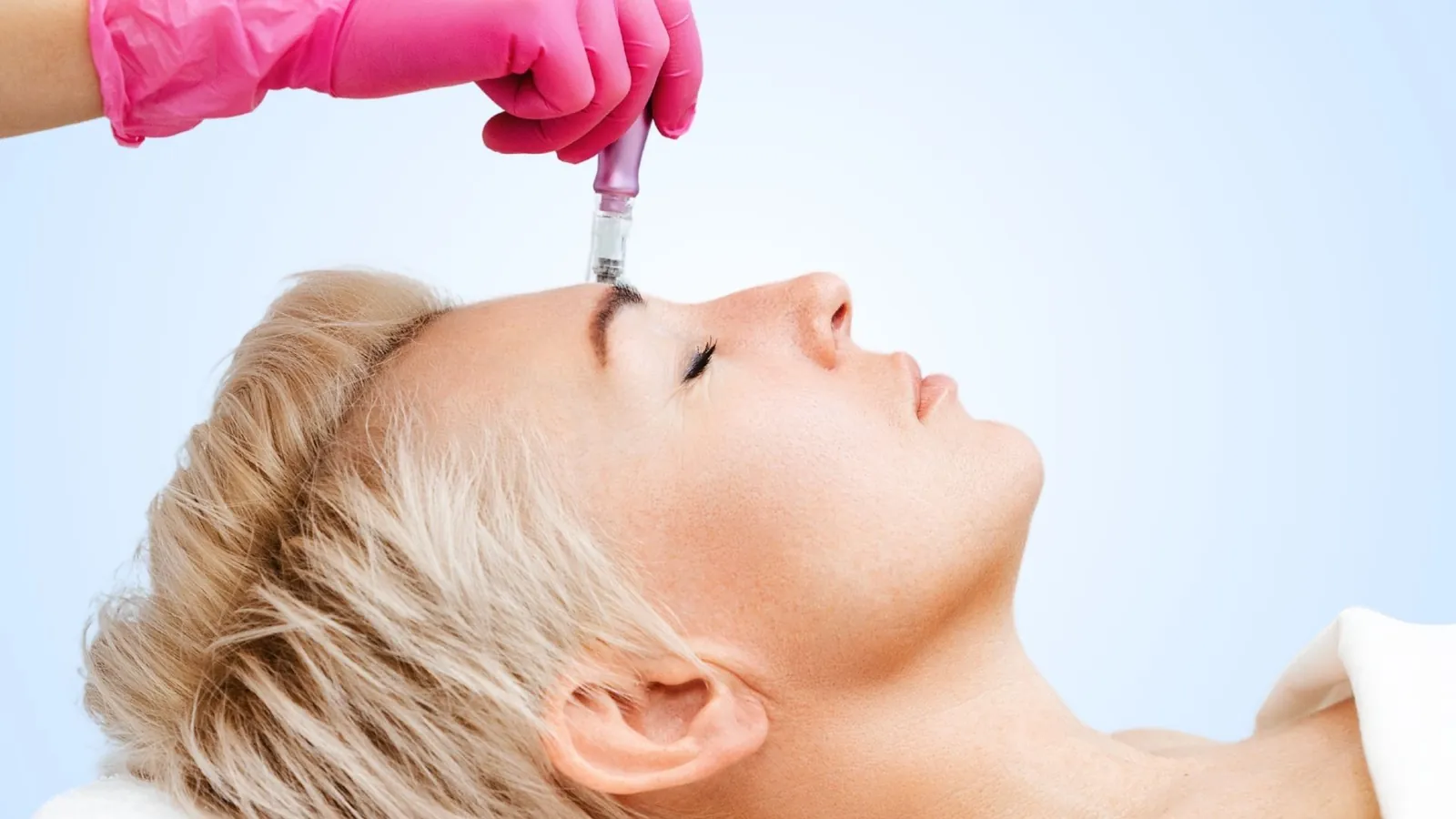
A motorised pen makes thousands of tiny punctures into the dermis. Repairing them is what lays down new collagen.
What is in it
Hyaluronic acid is the most common ingredient, often mixed with vitamins, amino acids or peptides. There is no agreed formula.
Some clinics add platelet-rich plasma or a serum on top, but plain microneedling adds nothing at all.
What it is aimed at
Skin that looks dull, dry or thin. It is a quality-of-skin treatment rather than a structural one.
Rolling and boxcar acne scars, open pores and general roughness. Deep icepick scars improve least.
What it will not do
Adding fluid to skin does not lift the floor of an indent.
Needling changes structure, not water content. Dry, dull skin is a different problem.
What the evidence shows
Some studies report better hydration and firmness. At least one found no measurable change in the skin under the microscope. The variety of recipes makes the studies hard to compare.
Trials repeatedly show improvement in rolling and boxcar scars, which is the best-supported use of any needling treatment.
How long until it works
Usually three to four sessions, two to four weeks apart.
A course is three to six sessions, about a month apart, and it keeps building after the last one.
How long it lasts
Repeat courses are the norm. It is maintenance rather than a fix.
New collagen stays. Your skin keeps ageing around it.
Downtime
Tiny raised spots where the fluid went in, sometimes bruising. Most people are presentable the next day.
Redness, then light flaking. Make-up is usually fine after a day.
Main risk to know
Bumps that do not settle are the common complaint. Because anything can end up in the syringe, what is injected matters as much as who injects it.
Open channels absorb whatever is put on them. Lumpy reactions have been reported after strong topical products were applied to freshly needled skin.
Cost
The solution is usually a separate line on the bill. Ask what is in it.
Ask for the price of the whole course rather than one visit.
The at-home or drugstore version
Nothing sold for home use places fluid inside the skin. A hyaluronic acid serum sits on the surface, which is a different thing wearing part of the same name.
A roller drags sideways as it turns, so it tears the skin instead of puncturing it. Home needles are short and blunt quickly, and a blunt needle does more damage than a sharp one.
Who each suits
The difference is what does the work
In mesotherapy, the product does the work: The needle is only a delivery route. If the mixture is useful, you get a result. If it is not, the punctures alone will not give you one.
In microneedling, the injury does the work: The channels start a normal healing response, and that response builds collagen. Nothing has to be added for it to happen.
That is why they suit different complaints: Adding fluid can make skin look better hydrated. Only remodelling can change the shape of a scar.
The recipe problem
Mesotherapy has no standard formula: Practitioners choose their own mixtures, and the ingredients vary widely between clinics and between countries.
That makes the research hard to read: A study of one mixture says little about the mixture your clinic uses, which is a large part of why the published results disagree.
It also makes it the question to ask: Find out exactly what is going into your skin before you agree to it. A clinic that cannot tell you plainly is telling you something.
Combining them
Some clinics apply a mesotherapy-style solution during a needling session: The channels are open, so absorption is higher than it would be on intact skin.
That raises the stakes on what is used: Products designed for intact skin are not designed to go into it. Reactions after needling have been traced to ordinary topical products used this way.
Ask whether the product is intended for open skin: It is a reasonable question and it has a clear answer.
Before you book
Ask exactly what will be injected, ingredient by ingredient.
Say which bothers you more: dull, dry skin, or scars and texture.
Ask what the whole course costs and how often it needs repeating.
With microneedling, ask what will be applied to your skin afterwards.
If you get cold sores, say so at booking rather than on the day.