Morpheus8 vs Microneedling
Morpheus8 is microneedling with heat added. Fine needles carry radiofrequency below the surface, so it works on acne scars, rough texture and mild slackness at the same time. Plain microneedling makes the same channels and stops there. It costs less, it has the longer track record for acne scars, and it does not tighten. No trial has compared the two, so nobody can tell you how big the upgrade is.
What touches your skin
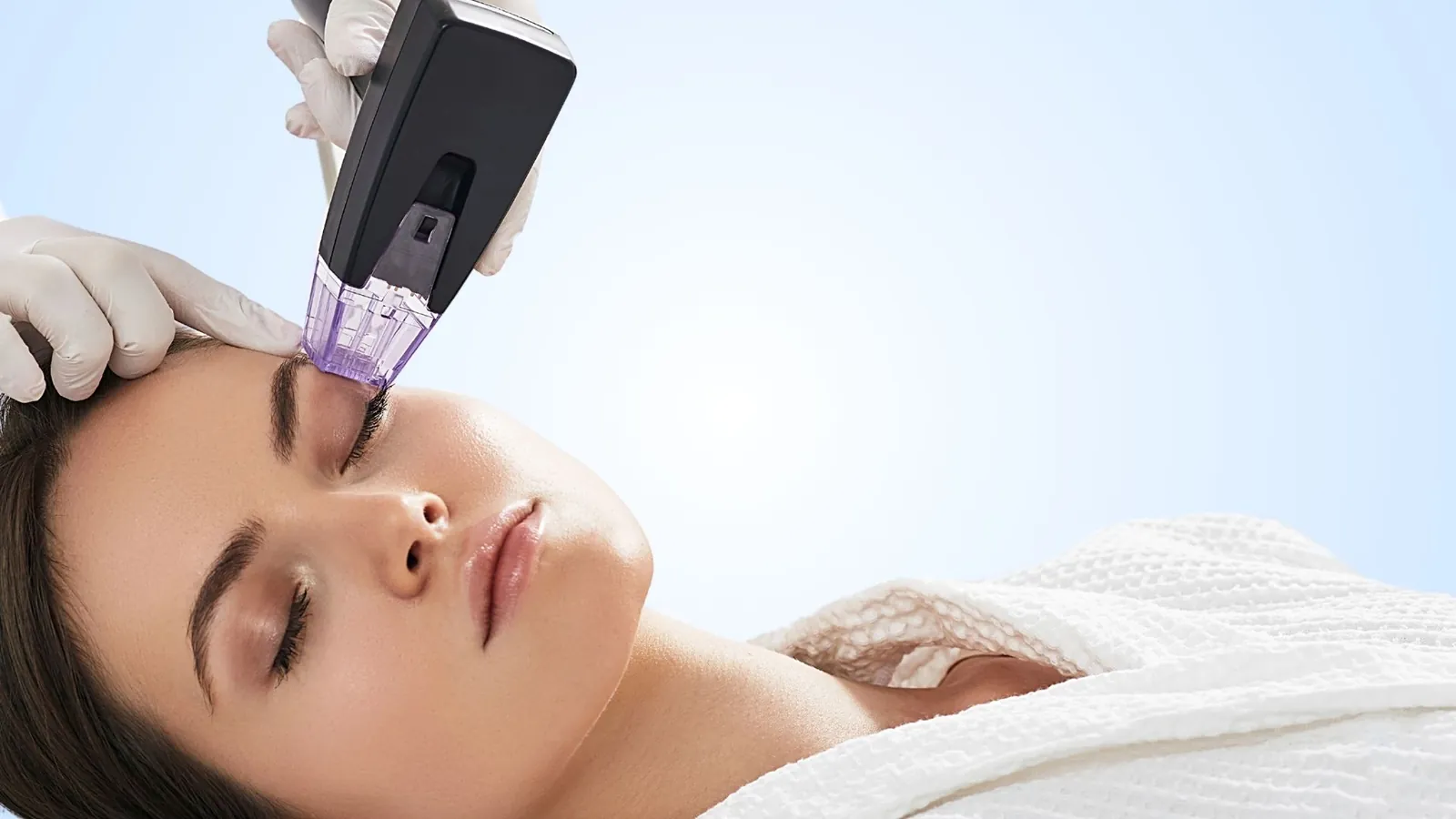
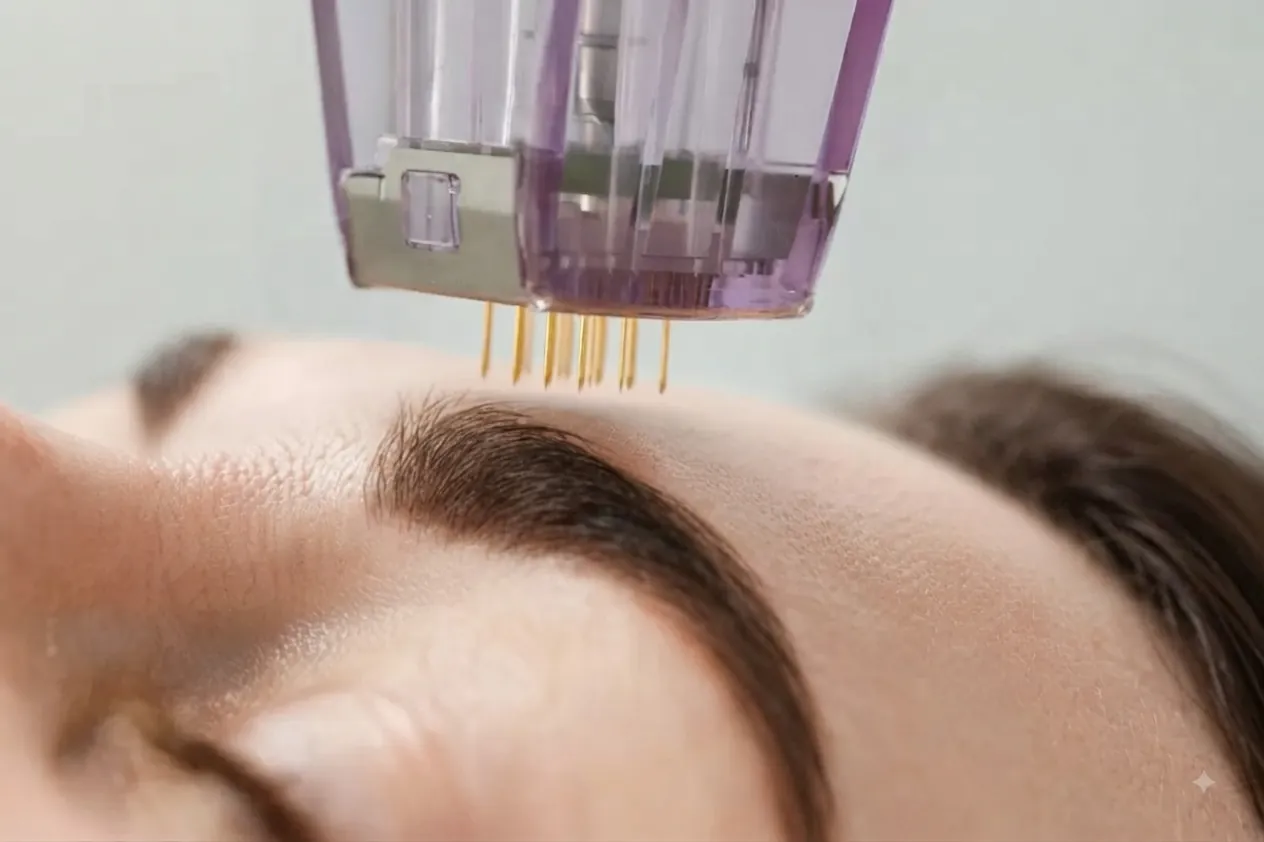
An array of fine pins enters the skin. Radiofrequency comes out of the tips, so the heat is placed at a chosen depth rather than aimed at the surface.
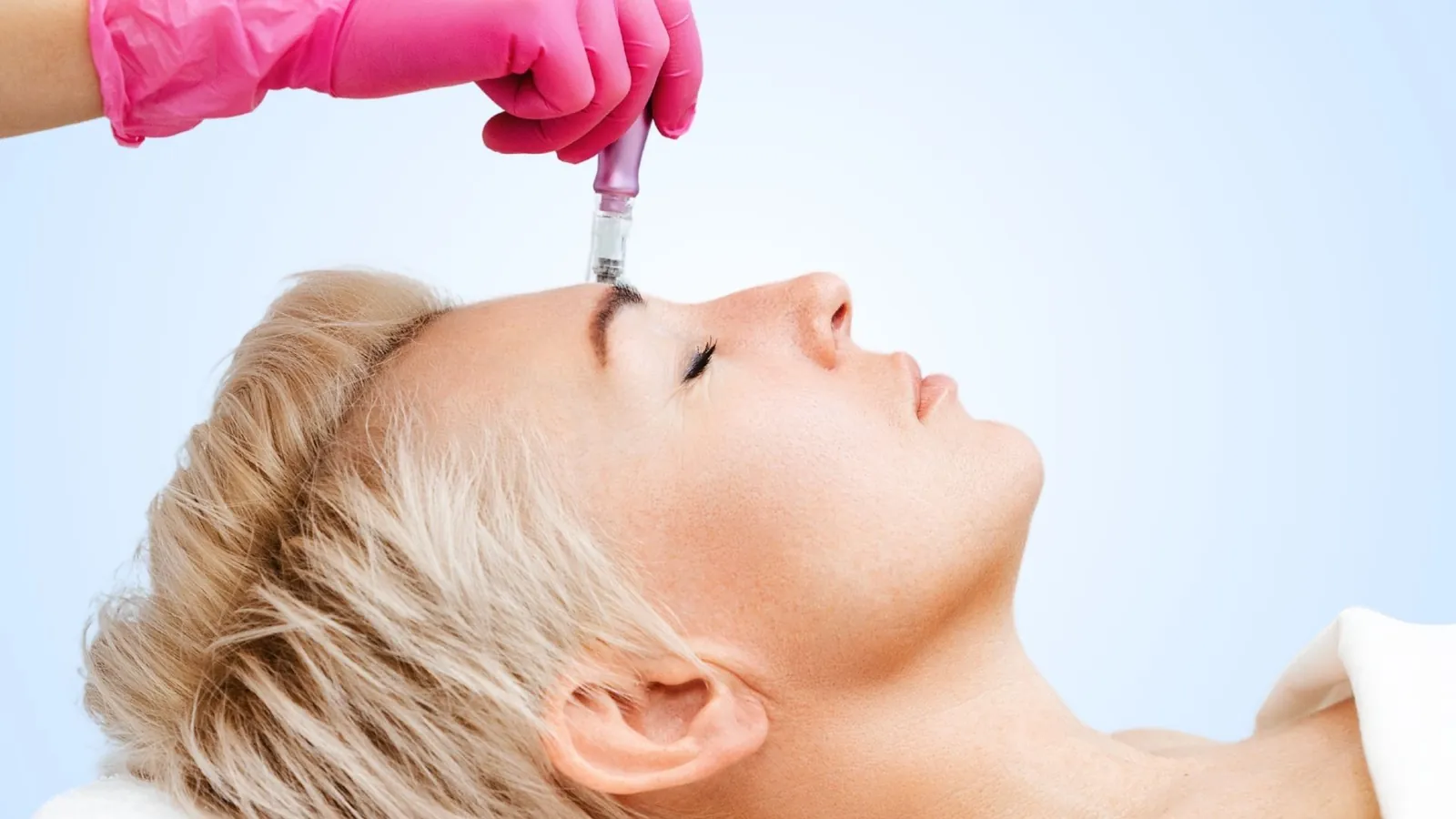
A motorised pen makes thousands of tiny channels. Healing those channels is the whole of the treatment.
What it is best at
The heat sits in the dermis, the layer where collagen is made. That lets one session work on the surface and on firmness together. Clinics reach for it along the jaw and under the chin.
Rolling and boxcar acne scars, open pores and fine lines. This is where the published evidence is strongest.
What it will not do
Brown patches and redness are pigment and blood vessels. Heat and needles target neither.
There is no heat, so nothing makes collagen contract. A soft jawline will not change.
How deep it goes
Deeper tips are used on the body and under the chin. The operator picks the depth for each area.
Deep enough to reach the dermis. Not deep enough to reach the fat layer underneath it.
How long until it works
Skin looks fresher within a few weeks. Collagen keeps building for roughly three months after the last session.
Each session adds a little. You judge a course a few months after the last visit, not on the day.
How many sessions
Some plans run to four or five.
Longer courses are normal for deeper scarring.
How long it lasts
Published follow-up for needle-based radiofrequency runs to about six months. Anything longer is an estimate rather than a measurement.
New collagen is real change and it stays. Your skin keeps ageing around it.
Downtime
Pink, slightly swollen skin with a faint grid of pinpoint marks. Make-up usually covers it by day three.
Redness, then light flaking. Make-up is usually fine after a day.
Cost
The needle tips are single-use and expensive, and that is most of the difference. Ask for the price of the whole course.
Also a course. Ask for the total rather than the price of one visit.
The at-home or drugstore version
Home radiofrequency wands warm the surface only. They put a small fraction of the power into the skin and never reach the depth this device works at.
A roller drags sideways as it turns, so it tears the skin instead of puncturing it. Home needles are short and blunt quickly, and a blunt needle does more damage than a sharp one.
Who each suits
Heat is the entire difference
Morpheus8 is radiofrequency microneedling, and plain microneedling is the same procedure without the energy: The needles, the numbing cream and the pinpoint marks afterwards are shared. What changes is that Morpheus8 releases heat once the needle is in.
That heat does two things needles alone cannot: It makes existing collagen contract straight away. It can also be placed several millimetres down, below the layer plain needles work in.
It is also why the treatment costs more: The tips are single-use, the sensation is hotter, and the marks take a little longer to settle.
What the evidence actually covers
Microneedling has the longer published record, and almost all of it is about acne scars: Trials consistently show that shallow rolling and boxcar scars improve. Deep, narrow icepick scars improve least.
Radiofrequency microneedling has a shorter record, and most of it was done on other machines: Studies use a range of devices. The findings get applied to Morpheus8 by association rather than by testing it.
Nobody has run the trial that would settle this: No published study has put plain microneedling against radiofrequency microneedling directly, so the size of the upgrade is unknown.
Skin tone
Neither treatment uses light, so neither targets pigment: Light-based resurfacing works by aiming energy at colour, and that is what makes it riskier on deeper skin tones. That mechanism is absent here.
Both are widely used across skin tones for that reason: Careful clinics still lower the energy with the radiofrequency device, because heat placed inside the skin can leave a patch darker while it heals.
When paying the premium makes sense
Pay for the heat if you want firmness: A softening jawline, the area under the chin and crepey skin on the neck are the cases where deeper energy has something real to offer.
Skip it if your problem is only the surface: For acne scars on the cheeks or general roughness, a course of plain microneedling in good hands does the job for less. Who holds the handpiece matters more than the badge on it.
Before you book
Say which bothers you more: the texture of your skin, or its firmness.
Ask which depth is planned, and why that depth for your face.
Ask what the whole course costs, not one session.
Ask to see the clinic's own before and after photos, taken on the device they will use.
Mention a pacemaker or an implanted defibrillator before any radiofrequency treatment.