PRP vs Hair Transplant
PRP is the better choice while your hair is thinning but still there. It injects your own concentrated platelets into the scalp to thicken the hair you have and slow the loss, and it has to be repeated for as long as you want the effect. A hair transplant is the better choice once an area has gone bare. It moves your own follicles into a spot where nothing is growing, and that hair is permanent. These two are not really alternatives, and plenty of people end up having both.
What actually happens
A small blood sample is spun to concentrate the platelets, and that concentrate is injected across the thinning area. The visit takes about half an hour.
A surgeon takes follicles from the back and sides of your head, where hair is not programmed to fall out, and places them where you are bare. It is a long day under local anaesthetic.
What it can do
Existing hairs get thicker and shed more slowly, so the area looks denser.
It is the only option that adds hair to skin where nothing is growing.
What it will not do
If a follicle is gone, there is nothing for PRP to feed. A shiny, bald scalp will not respond.
The native hair beside a transplant can keep receding, which is why medication usually continues afterwards.
How soon you see the result
Shedding usually slows first. Visible thickness takes a few months and builds across the course.
The moved hairs fall out two to four weeks after surgery. The follicles stay put. New growth starts around month three or four, and the real result is there at about twelve months.
How many appointments
Most plans start with three or four sessions a month apart, then a top-up every four to six months. There is no finish line.
Some people have a second procedure years later, for a new thin area or more density.
How long it lasts
Stop the top-ups and you lose what the treatment was holding.
Those follicles keep growing for life. The picture still changes as the rest of your hair ages.
How much hair you get
The gain is thickness in hair you already had. Most people notice it in photos rather than overnight.
Your donor area is finite. Surgeons usually aim for around half your original density, which reads as full from conversation distance.
Downtime
A sore, tender scalp for a day. Some people have a headache that evening.
Swelling, scabs and redness. The donor area heals to tiny dot scars, or a fine line with the strip method.
Cost
Priced per session. Ask for the yearly figure, including the top-ups, rather than the price of one visit.
Usually priced per graft, paid once, with medication as a smaller ongoing cost.
The at-home or drugstore version
These do the same job as PRP, protecting and thickening the hair you still have, for a fraction of the cost. They are the sensible first step. PRP is usually added to them, not used instead of them.
Nothing you can buy moves a follicle. No cream, device or supplement adds hair to a bare scalp.
Who each suits
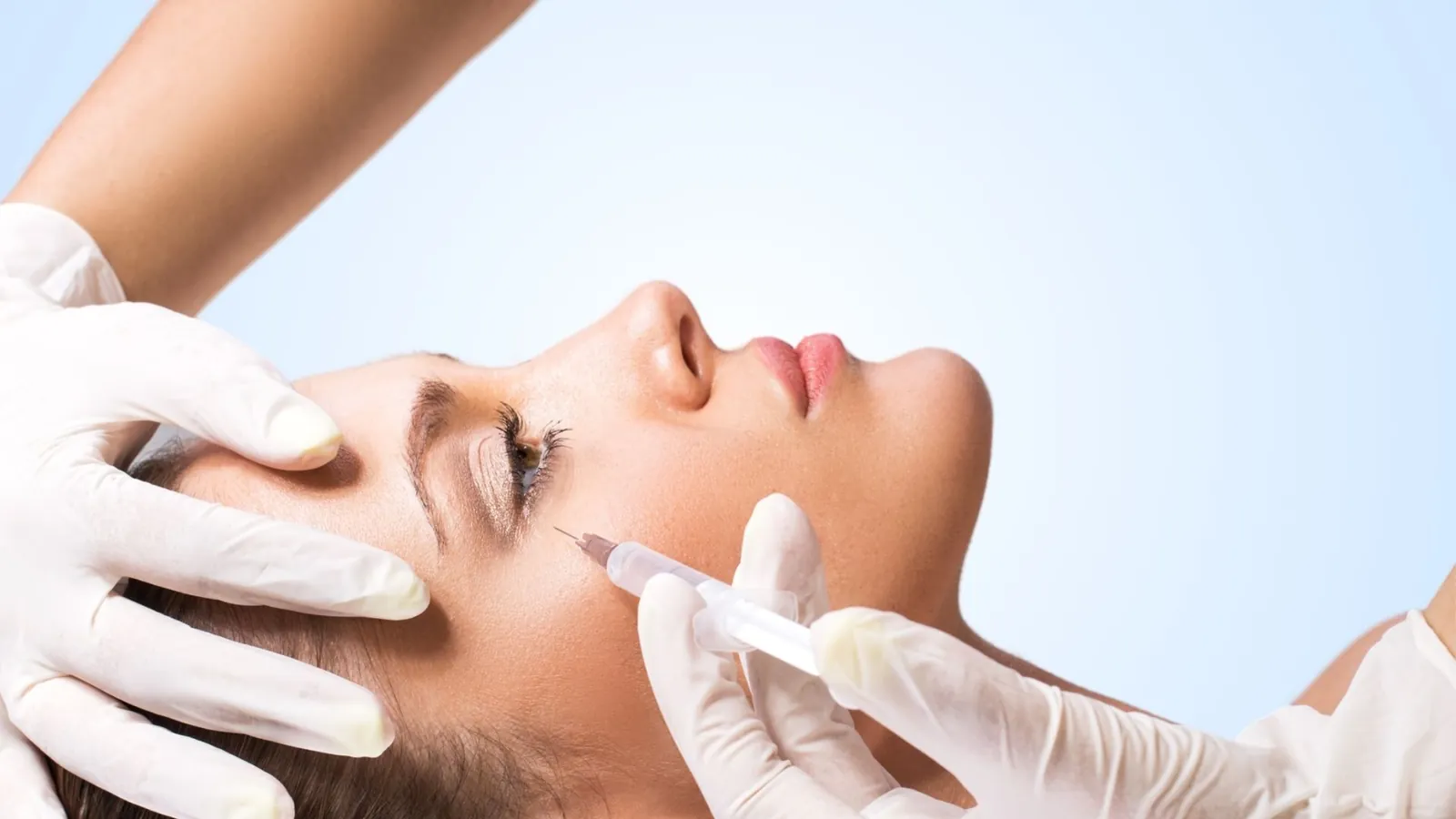
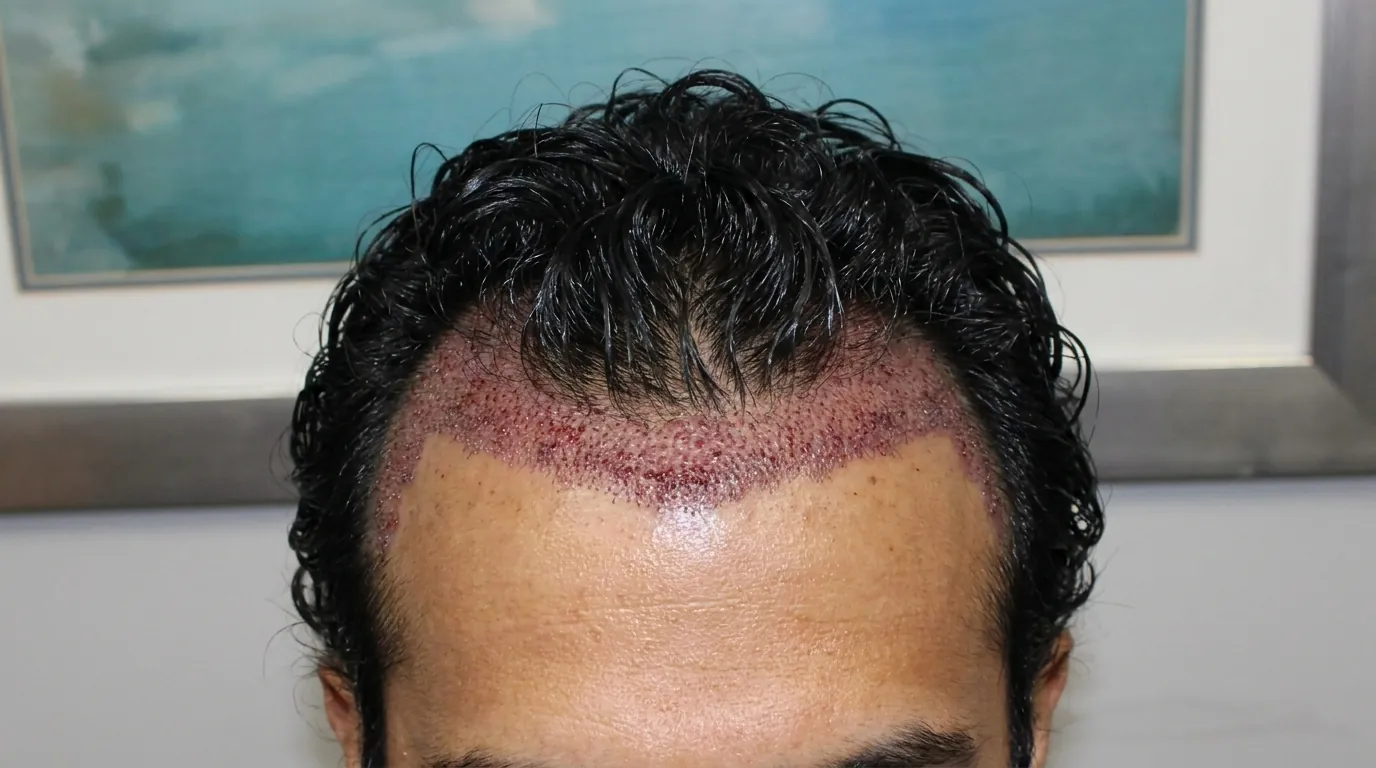
They are not really competing treatments
PRP works on hair that still exists: It aims to keep weak, miniaturising follicles in the game a bit longer. There has to be something there for it to help.
A transplant works on skin where hair has gone: It does not improve the hair around the transplant at all.
So the question is not which is better, it is which stage you are at: Look at the area that bothers you in bright light. Fine, wispy hairs mean it is still thinning, and PRP has something to work with. Smooth, shiny skin means that hair is not coming back, and surgery is the only thing that adds any.
Doing both is normal
Many clinics offer PRP around the time of a transplant: The idea is to support the moved follicles while they settle, and to protect the native hair beside them.
That solves a real problem after surgery: A transplant does nothing to stop your remaining hair thinning, and thinning around a transplant is what makes it obvious years later. PRP, minoxidil and finasteride are the tools for that half of the job.
Order matters more than choice: If you are still losing hair quickly, most surgeons want that settled before they design a hairline.
The commitment is the honest catch with PRP
PRP is not a course you finish: After the first few sessions you are on top-ups two or three times a year, indefinitely.
Stopping means losing what it was holding: The hair it protected goes back to the path it was on. That is not a failure of the treatment, it is how it works.
Price it as a yearly cost, not a session cost: Over five or ten years, a repeating treatment and a one-off operation are very different kinds of spending.
Before you book
Ask whether the area that bothers you still has fine hairs in it, and ask to see it under magnification.
Ask a PRP clinic what the yearly cost is once the first course is done.
Ask a surgeon how many grafts your donor area can safely give over your lifetime, not just today.
Ask what the plan is for the hair you are not treating, since it will keep thinning.
Try the standard medications first, or alongside. They are cheaper and better studied than PRP.
%2520-%2520Render.webp)