Rose Water vs Witch Hazel
Rose water is a gentle, hydrating mist. It adds a little water and calms the surface, and it suits dry or sensitive skin. Witch hazel is an astringent that degreases. It suits oily skin used sparingly, and most drugstore bottles hold about 14% alcohol, which is why it stings dry skin.
What is in the bottle
Rose petals are steam-distilled and the scented water is collected. It is mostly water with a small amount of rose compounds. Some bottles add glycerin, a preservative, or alcohol.
An extract from the bark and leaves of the witch hazel shrub, rich in tannins. Standard drugstore versions sit at around 14% alcohol.
What it does on skin
It leaves the surface damp and slightly soothed. Rose contains antioxidant and anti-inflammatory compounds, which is the likely reason it feels calming on red skin.
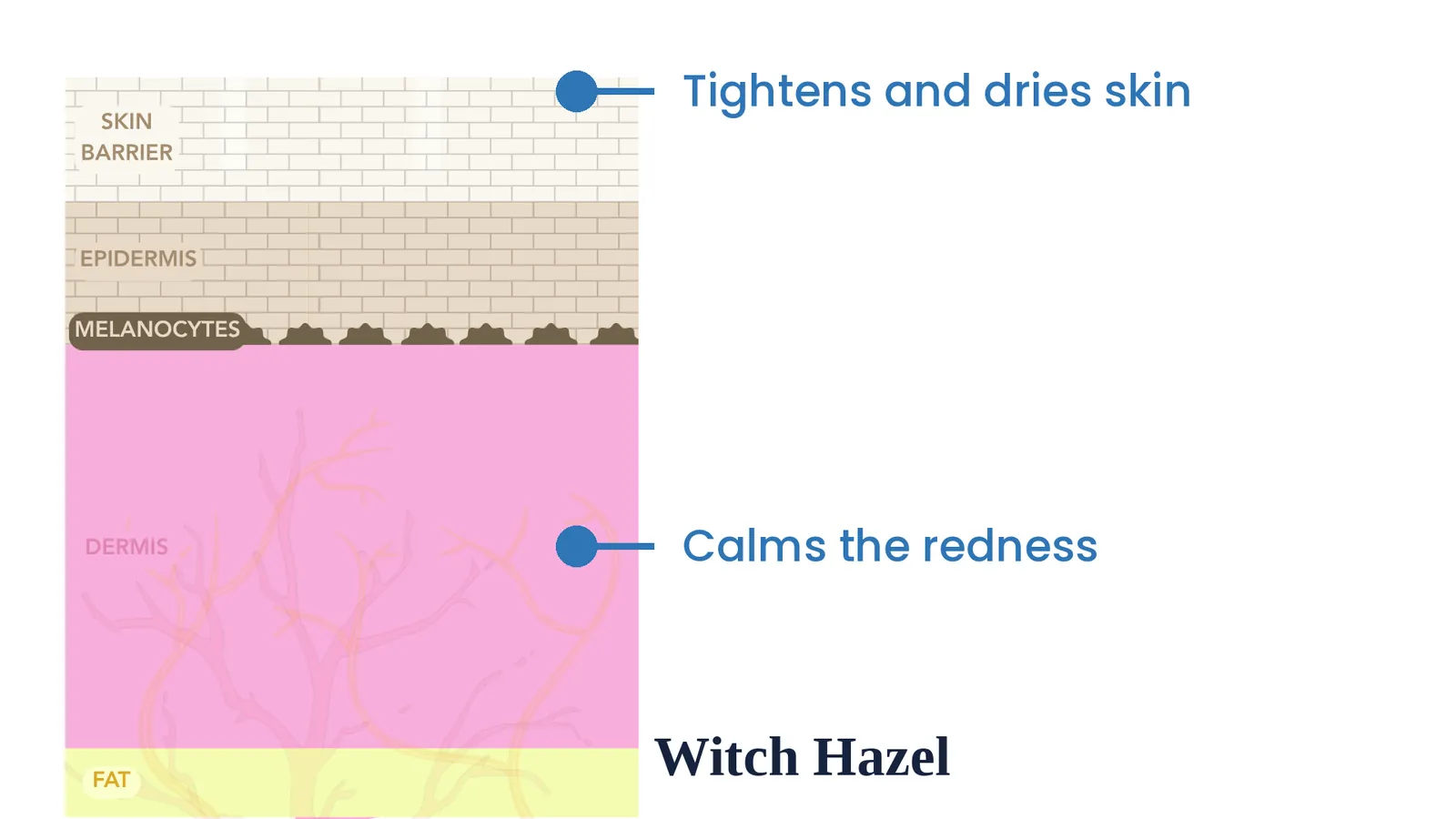
Tannins make skin feel taut and briefly shrink the look of pores. The alcohol strips surface oil, and skin turns matte.
Which skin it suits
Fine on oily skin too. There is very little in it to cause trouble.
A few times a week on the T-zone or the back. Dry, sensitive, rosacea-prone or eczema-prone skin usually reacts badly to it.
How it feels after
No tightness and no sting. The water evaporates within a minute.
That squeaky feeling gets read as clean. It usually means the barrier has just been stripped.
What it will not do
Water alone evaporates, and it can leave skin drier than before. It needs a moisturizer on top to hold anything in.
Wiping it over unwashed skin leaves the makeup and the sunscreen behind. It is a step after cleansing, not a cleanser.
How to use it
Spray onto clean damp skin and apply moisturizer within a minute, while the skin is still wet. It is also useful for setting makeup or freshening up on a long flight.
After cleansing, on the T-zone or the back, a few times a week. Not on the whole face, and not every day.
The downside
Rose is a fragrance, and fragrance is one of the more common causes of contact allergy. Beyond that, the honest criticism is that it does not do very much.
Daily use of the alcohol version is the usual cause. Stripped skin can produce more oil in response, which is the opposite of what people want.
Cost
Supermarket bottles cost very little. Expensive ones are often the same distilled water in nicer packaging.
One of the least expensive products in any pharmacy.
They are not alternatives to each other
Rose water adds water and witch hazel takes oil away: They sit at opposite ends of what a toner can do. Choosing between them is really choosing what your skin needs.
If your skin feels tight and flaky, rose water is the one: It will not fix dry skin on its own, but it will not make it worse either.
If your skin is shiny by lunchtime, witch hazel is the one: A few times a week, on the oily areas only. Every day, on the whole face, is where people get into trouble.
Being fair to both of them
Neither one is a con, and neither one is a treatment: They are inexpensive, pleasant products that make a routine feel like a routine, and sticking to a routine is worth something on its own.
What the research supports is modest: In the lab, rose extracts do calm and protect skin cells. Witch hazel tannins really are astringent, meaning they tighten and dry. Neither has good evidence for clearing acne, shrinking pores for good, or softening lines.
Neither one replaces a moisturizer or sunscreen: If your budget stretches to three products, buy a cleanser, a moisturizer and a sunscreen. A toner is the step you can skip.
The alcohol is the part that causes trouble
Alcohol is why witch hazel feels satisfying: It evaporates fast, takes surface oil with it, and leaves skin matte within seconds.
Alcohol is also why witch hazel irritates: Used daily it dries the outer layer, and dry skin gets flaky, itchy and easily stung by everything applied after it.
Read the label on both bottles: Alcohol-free witch hazel keeps the tannins and drops the sting. Some rose waters contain alcohol as a preservative too, which is worth checking if your skin is sensitive.
If you want a toner that does something
Look at what a toner contains, not what it is called: Toner describes a texture, not an action. A watery bottle can hold almost anything.
For oily and acne-prone skin, salicylic acid is the ingredient that works: It gets inside the pore and clears the plug, which is something neither rose water nor witch hazel can do.
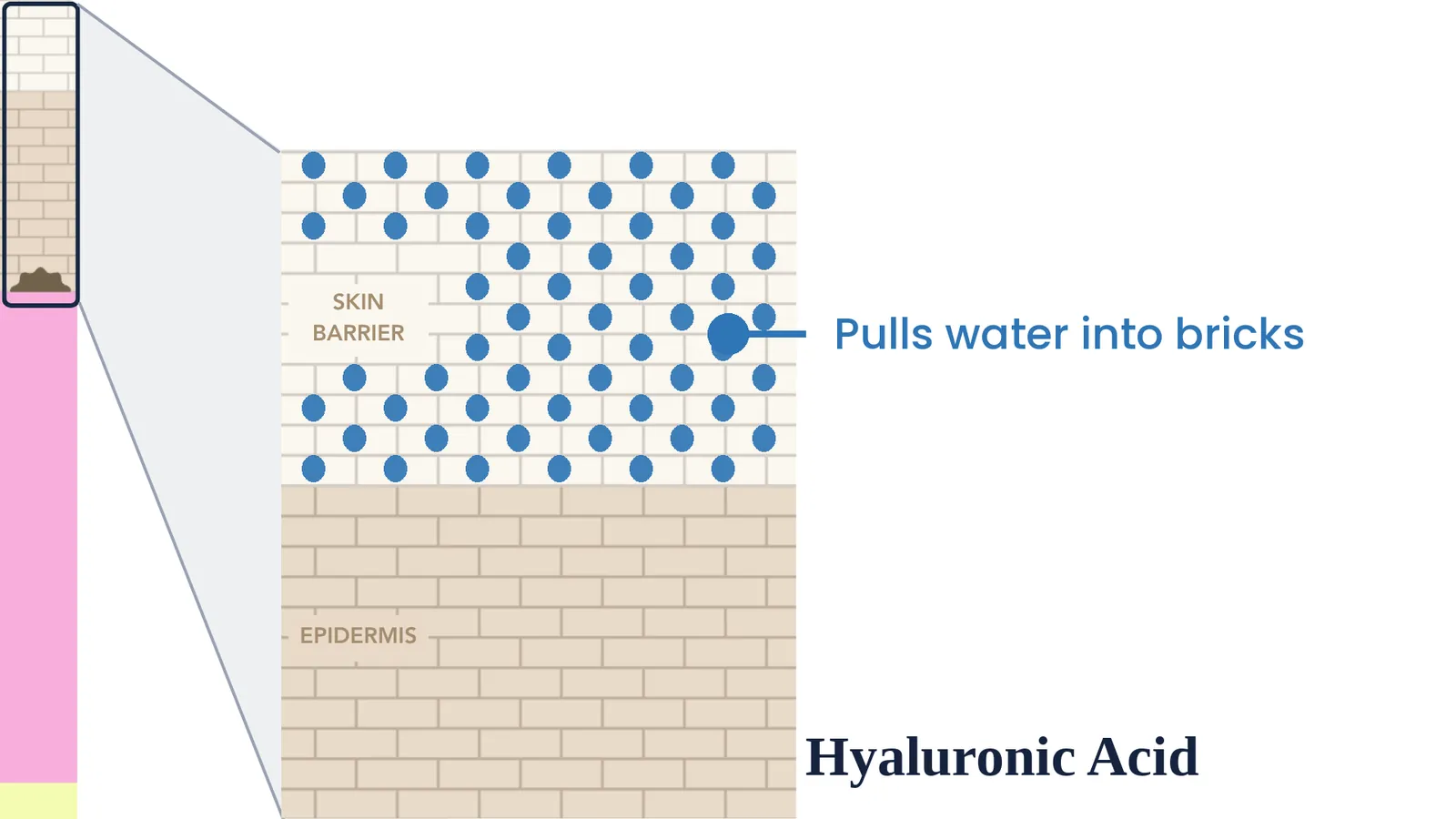
For dry and sensitive skin, glycerin and hyaluronic acid are the ingredients that work: They hold water at the surface. Put moisturizer on top, or the water simply evaporates.