Dermatologist's Take
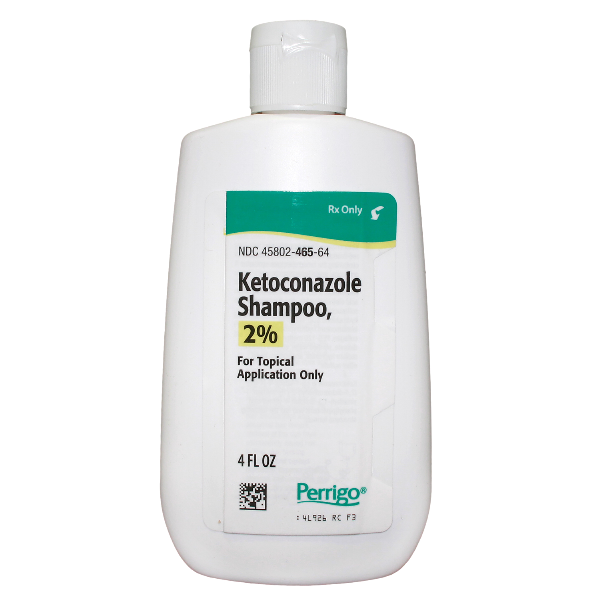
If the bumps are all the same size, they itch, they sit on your chest, upper back, shoulders or hairline, and there are no blackheads or whiteheads anywhere in the patch, this is probably Malassezia folliculitis rather than acne. The strongest clue of all: you took an antibiotic for acne and got worse instead of better. Treat it with an antifungal, not an acne product — ketoconazole 2% shampoo used as a body wash, lathered on the affected skin and left for three to five minutes before rinsing, most days for two to four weeks. Stubborn or widespread cases usually need a short course of an oral antifungal such as fluconazole or itraconazole from a doctor. It comes back in most people, so plan on a maintenance wash once or twice a week rather than expecting a one-time cure.
At a glance
- Real Name: Malassezia folliculitis (also called Pityrosporum folliculitis). "Fungal acne" is an internet term, not a medical one.
- How Common: Common, and often missed. It is frequently treated as acne for months before anyone tries an antifungal.
- Who Gets It: Most often teenagers and young adults, more often men, and anyone in a hot, humid climate or who sweats heavily.
- Contagious? No. Malassezia yeast already lives on everyone's skin. The problem is overgrowth, not catching something.
- Chronic or Curable: Treatable, but it tends to return. Most people need maintenance washes.
- Rx Required: No for mild cases — over-the-counter antifungal shampoos work. Yes for stubborn cases.
What is it?
Malassezia folliculitis is an overgrowth of a yeast called Malassezia inside your hair follicles (the tiny pockets in the skin that each hair grows out of). The follicle gets irritated and inflamed, and you see small red or skin-colored bumps and pustules (pus-filled bumps).
Malassezia is not a foreign invader. It lives on the skin of essentially every adult, all the time, as a normal resident. It feeds on the oils your skin makes, which is why it prefers oily areas — chest, upper back, shoulders, and the forehead and hairline. Under the right conditions — heat, sweat, occlusion (skin trapped under clothing or product), or a change in the mix of microbes on your skin — it multiplies faster than usual and plugs the follicle. So this is not really an infection in the usual sense. It is an imbalance.
Here is the framing that makes it click: acne is a plumbing problem, and this is a farming problem. Acne starts with a clogged pore — a comedone — which is why acne skin has blackheads and whiteheads. Malassezia folliculitis skips that step entirely. Nothing is clogged first; the yeast simply overgrows in a follicle that was working fine. That is why every bump looks about the same and why there are no blackheads. It also explains why acne treatments do nothing here, and why antibiotics can make it worse — they thin out the bacteria that were competing with the yeast.
The name is a mess, and that is worth knowing. Older papers call it Pityrosporum folliculitis, because the yeast used to be called Pityrosporum. Newer ones call it Malassezia folliculitis. "Fungal acne" is a popular term that came out of online skincare communities. It is useful shorthand for finding information, but it points people toward the acne aisle, which is exactly the wrong place to go.
What it looks like
-
Small bumps that are all the same size. This is the single most recognizable feature. You get dozens of papules and pustules 1–2 mm across, all matching each other. Dermatologists call this monomorphic — one form. Acne is the opposite: a mix of big and small, deep and shallow, all at once.
-
It itches. Often quite a lot. Acne can be sore or tender, but it rarely itches. If you find yourself scratching your upper back, take that seriously as a clue.
-
No blackheads or whiteheads. Look closely at the affected patch. If you cannot find a single comedone in it, that points away from acne. (You can still have real acne on your face at the same time — the two often coexist.)
-
Where it shows up. Chest, upper back, shoulders and upper arms are classic. On the face it favors the forehead and the hairline rather than the cheeks and jawline where adult acne usually sits. A crop of uniform bumps right along the hairline is very typical.
-
It comes in crops. Bumps tend to appear as a wave after a hot week, a heavy training block, or a stretch of sitting around in damp clothes, rather than trickling in one at a time.
-
How it looks on different skin tones. On lighter skin the bumps look pink or red with a visible white pustule head. On brown and darker skin the redness is much harder to see — the bumps often read as darker than the surrounding skin, or you notice the texture before the color. After they heal, darker skin is more likely to be left with flat brown marks (post-inflammatory hyperpigmentation) that take months to fade. Those marks are not scars and do not mean the condition was severe.
What causes it
The direct cause is Malassezia yeast multiplying inside hair follicles. Several species do it, most often M. globosa and M. restricta. These yeasts are lipid-dependent, meaning they need oils to grow — which is why they live in your oiliest areas and why oily skin is a setup for this.
What tips a normal yeast population into an overgrowth is usually one of these:
- Recent antibiotics. This is the classic story, and the most useful clue in the whole condition. Someone is put on an oral antibiotic for acne, and after a few weeks the bumps are worse, not better. Antibiotics knock down skin bacteria; the yeast is unaffected and expands into the space. Systemic antibiotics are essentially useless here and can actively backfire.
- Heat and humidity. Rates are higher in hot, humid climates and in summer generally.
- Heavy sweating. Athletes, physical jobs, anyone who trains most days.
- Occlusion. Tight synthetic gym clothes, backpacks and straps, sports bras, weight benches, heavy body lotions and oils, staying in damp clothing.
- Oily skin. More sebum means more food supply.
- Steroids. Topical or oral corticosteroids can bring it on or make it worse.
- A suppressed immune system. From illness or immune-suppressing medication. This makes it more likely and more stubborn, but most people who get this are perfectly healthy.
What does not cause it: being unclean. This is not a hygiene problem, and scrubbing harder makes the irritation worse without touching the yeast. It is also not contagious. You cannot give it to a partner or catch it from a towel — everyone already has the yeast.
Triggers
-
Sitting in sweaty clothes. The most common avoidable trigger. Shower and change soon after training rather than hours later.
-
Antibiotics for acne. If bumps flared during or after a course, that is information, not bad luck. Tell whoever prescribed it.
-
Hot, humid weather. Expect flares in summer and on tropical trips. This is also when maintenance washes matter most.
-
Occlusive clothing and gear. Tight synthetics, backpack straps, a sports bra worn all day. Loose cotton in the heat helps.
-
Heavy oils and rich body products. Coconut oil and thick body butters on the chest and back are worth pausing while you treat.
-
Topical steroids. A steroid cream may calm the redness for a day or two and then leave you worse off. Avoid using leftover hydrocortisone on these bumps.
-
Picking and scrubbing. Neither reaches the yeast, and both increase the chance of a lasting dark mark.
Treatment Overview
Everyone with this condition
Keep in mind
At-Home Treatment
The whole strategy is one sentence: use an antifungal, on the skin, for long enough. Most mild to moderate cases clear with an over-the-counter shampoo used on the body.
The core method — shampoo as a body wash. Antifungal shampoos are sold for dandruff, but the active ingredients work anywhere on the body. In the shower, lather the product onto the affected skin, leave it in contact for three to five minutes, then rinse. That contact time is the part people skip, and it is the part that matters — rinsing it straight off does very little. Use it most days for two to four weeks.
The three active ingredients worth using, strongest first:
- Ketoconazole 2%. The best-supported option and where to start. It is available over the counter in many places and by prescription elsewhere.
- Selenium sulfide. A reasonable alternative, long used for related Malassezia conditions. It can have a sulfur-like smell and may discolor light hair or jewelry.
- Zinc pyrithione. The gentlest and easiest to find, but the weakest evidence of the three. A fair choice for mild cases and for maintenance, less so for a full flare.
Supporting habits, which matter more here than in most conditions:
- Shower promptly after sweating.
- Change out of damp workout clothes rather than lounging in them.
- Choose looser, more breathable clothing in the heat.
- Pause heavy body oils and rich creams on the chest and back during treatment.
- Stop any acne product you were using on these bumps. Benzoyl peroxide, salicylic acid and retinoids treat a different problem and are just adding irritation.
Set your expectations honestly. Itch usually settles within a week or two, and the bumps follow. Give it a fair four weeks before deciding it has failed. If nothing has moved by then, the answer is usually a prescription — not more scrubbing and not a different wash. And when it does clear, keep going with a wash once or twice a week. Recurrence is the rule, not the exception, especially if you live somewhere warm or sweat a lot. Stopping completely is the most common reason people are back where they started three months later.
Prescription treatments
Most mild cases do not need a prescription. Widespread, stubborn, or repeatedly returning cases usually do, and oral treatment tends to work faster and more completely than topical alone.
- Oral fluconazole. A common first choice, taken as a short course. Often preferred for tolerability.
- Oral itraconazole. Similarly effective. A typical course is short — around a week in several studies. It interacts with a long list of other medications, so your prescriber needs your full medication list.
- Prescription-strength topical antifungals. Ketoconazole 2% cream or shampoo, or econazole. Studies suggest combining an oral course with a topical antifungal clears it more reliably than the oral drug alone, so expect to be given both.
- Isotretinoin. Occasionally used for cases that resist everything else, usually where there is significant acne in the picture too. It is a serious drug with real monitoring requirements and is not a routine answer here.
Two things worth raising with your doctor. First, ask specifically about this diagnosis if you are being treated for acne and getting worse on an antibiotic — that history alone is enough to justify a trial of an antifungal. Second, ask about maintenance before you finish the course. Oral antifungals clear a flare; they do not stop the next one. A weekly topical wash is what keeps it away.
In-office procedures
Look-Alikes

-
Acne vulgaris. The main confusion. Acne is polymorphic — blackheads, whiteheads, red papules, sometimes deep tender nodules, all mixed together and all different sizes. It is rarely itchy. It favors the face, especially the jawline and cheeks in adults. The presence of comedones anywhere in the affected patch is the clearest sign you are dealing with acne. The two also coexist often, which is why a face can improve on acne treatment while a chest gets worse.
-
Bacterial folliculitis. Also inflamed follicles, but caused by bacteria, usually Staphylococcus. The bumps are more varied in size, often more tender than itchy, and it can appear anywhere hair grows, including legs, buttocks and beard area. It responds to antibacterial treatment — which is a practical test in itself.
-
Hot tub folliculitis. Caused by Pseudomonas bacteria from an under-chlorinated hot tub or pool. The giveaway is timing and pattern: itchy bumps appearing one to three days after the soak, concentrated where a swimsuit held water against the skin. It usually clears on its own within a week or two.
-
Keratosis pilaris. Rough, gritty, dry-feeling bumps on the upper arms and thighs. They are not pustules and not inflamed — running a hand over them feels like sandpaper. It is a buildup of keratin, not an infection, and antifungals do nothing for it.
-
Steroid acne. A uniform crop of small bumps on the chest, back and shoulders appearing after starting oral or strong topical steroids. It looks strikingly similar, and confusingly, Malassezia is often involved in it too. The medication history is the clue.
The one feature that most reliably marks the real thing: uniform, itchy bumps with no comedones in the patch, in someone who got worse on an antibiotic for acne. Any one of those is suggestive. Together they are close to conclusive.