Dermatologist's Take
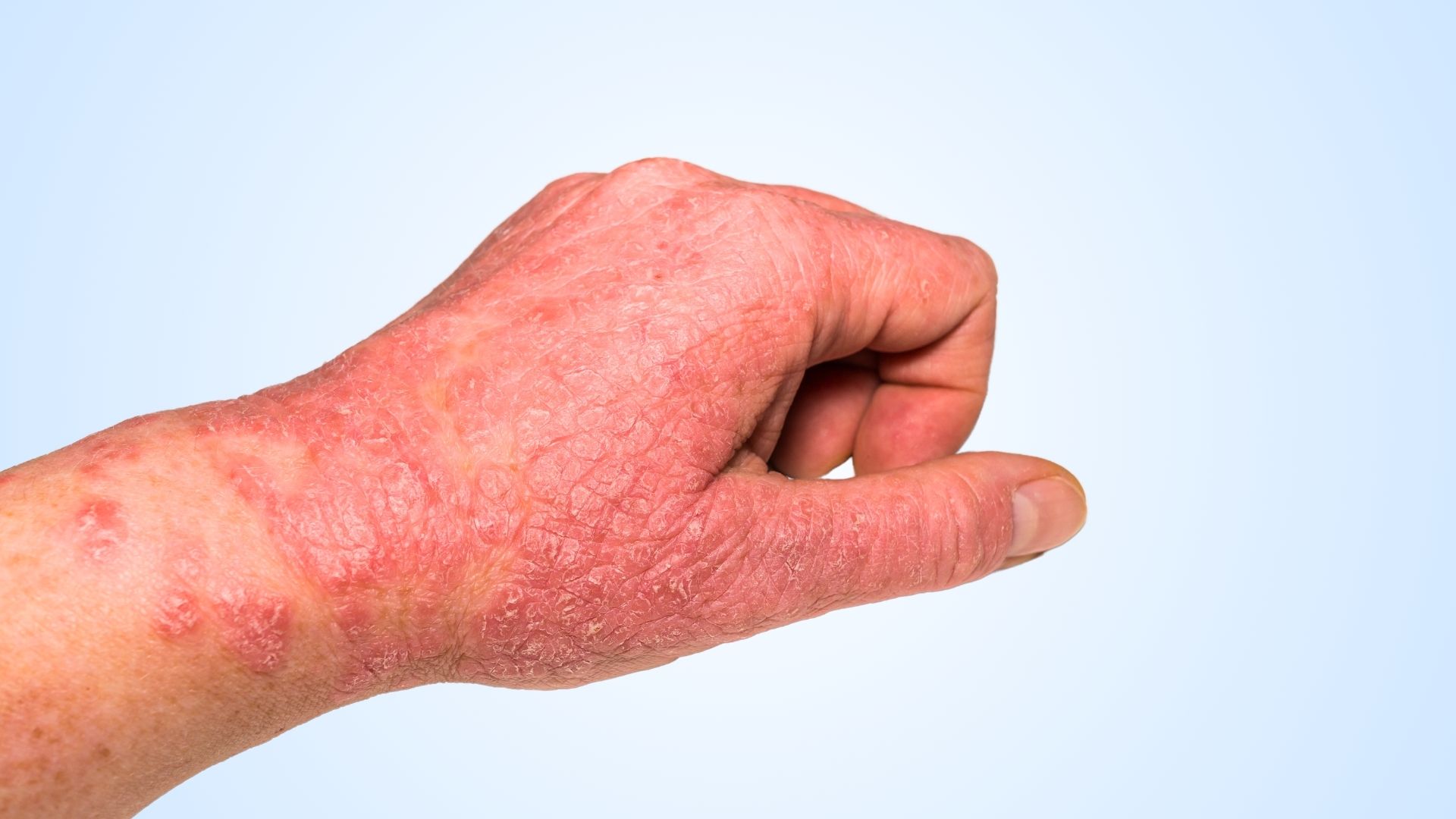
Ceramides are the skin's own barrier fats, and levels run low in eczema, in winter, and as you get older. Putting them back in a moisturizer cuts water loss and makes skin less reactive. They work best blended with cholesterol and fatty acids in roughly the proportions skin uses, so a well-built formula beats a token "contains ceramides" claim on the front of a tube. Think of them as supportive rather than active: expect a calmer, less flaky barrier over a few weeks, not treatment for acne, dark spots, or wrinkles.
At a glance
- AKA skin barrier lipids. Listed as Ceramide NP, AP, EOP, or older numbers
- Percentage is almost never disclosed, and the blend matters more than the number
- Works with everything. No irritation, no purge, no waiting period
- Evidence: Strong for barrier repair, dry skin, and eczema-prone skin
What is it?
Ceramides are lipids (fats) that are a built-in part of your skin, not an added extra. They make up close to half the fat content of the stratum corneum, the thin outer layer that does most of the waterproofing. The usual way to picture it is a brick wall: your dead surface skin cells are the bricks, and ceramides, cholesterol, and free fatty acids are the mortar packed between them. Wall with good mortar, water stays in and irritants stay out. Skincare ceramides are lab-made copies of the ones your skin produces, and they turn up in moisturizers, cleansers, and barrier creams across almost every price point.
How it works
Ceramides do not feed the skin or sink deep into it. They stay in the outer layer and rebuild the mortar between cells, which slows transepidermal water loss (water evaporating out through the skin). That matters in both directions: a barrier leaking water is also a barrier letting irritants, allergens, and bacteria in, which is why patched-up skin is less itchy and less reactive, not just less dry.
Subtypes
You will see ceramides on an ingredient list under two naming systems, which is why labels look more complicated than they are.
- The letter system (current). Letters describe the two halves of the molecule. The first letters are the fatty acid: N (non-hydroxy), A (alpha-hydroxy), or EO (esterified omega-hydroxy). The last letter is the base it sits on: P (phytosphingosine), S (sphingosine), or H (6-hydroxysphingosine). So Ceramide NP is a non-hydroxy fatty acid on a phytosphingosine base.
- The number system (older). Same molecules, earlier names. Ceramide 3 is now Ceramide NP, Ceramide 6-II is Ceramide AP, Ceramide 9 is Ceramide EOP, Ceramide 1 is Ceramide EOS, and Ceramide 2 is Ceramide NS.
- What to look for. NP is the most abundant type in skin and the most used in products. AP helps the lipid layers hold together. EOP and EOS are the long, anchoring ones. A product listing several is closer to what skin actually contains than one listing a single type.
None of these is a "better" ceramide in a way that should drive your purchase. The mix matters more than any single name.
Concentrations
Ceramide percentages are almost never printed on the label, and chasing a number is not useful here anyway. What matters more is the company they keep: ceramides perform best alongside cholesterol and free fatty acids in something close to physiological proportions, the balance skin uses naturally. A ceramide dropped into an otherwise ordinary lotion does less than a properly balanced blend, and lab work suggests an unbalanced mixture can even slow barrier recovery rather than help it.
The practical takeaway is that "contains ceramides" on the front of a package tells you less than most people assume. Turn the package over. If cholesterol and a fatty acid appear near the ceramides, the formula was built to work. If a single ceramide sits alone at the very bottom of a long list, it is closer to marketing than to barrier repair.
Conditions it treats


What to expect
Ceramides are tolerated by essentially everyone, including sensitive, eczema-prone, and rosacea-prone skin. There is no purge, no stinging, and no conflict with retinoids, acids, benzoyl peroxide, or vitamin C. Apply a ceramide moisturizer once or twice daily on slightly damp skin; most people notice less tightness within days and less flaking and cracking over two to four weeks. Because ceramides maintain the barrier rather than change it permanently, the benefit fades if you stop.