Athlete's Foot vs Peeling Skin
Athlete's foot is a fungal infection, and peeling is one of its signs. It itches, it usually starts in the gap between the toes, and it keeps going until something treats it. Peeling on its own is the outer layer of skin shedding. It does not itch much, it tends to affect both feet evenly, and it settles by itself.
What it is
Dermatophytes live on keratin in the top layer of skin. They pick up from damp floors, towels and shoes, and warm sweaty shoes let them settle.
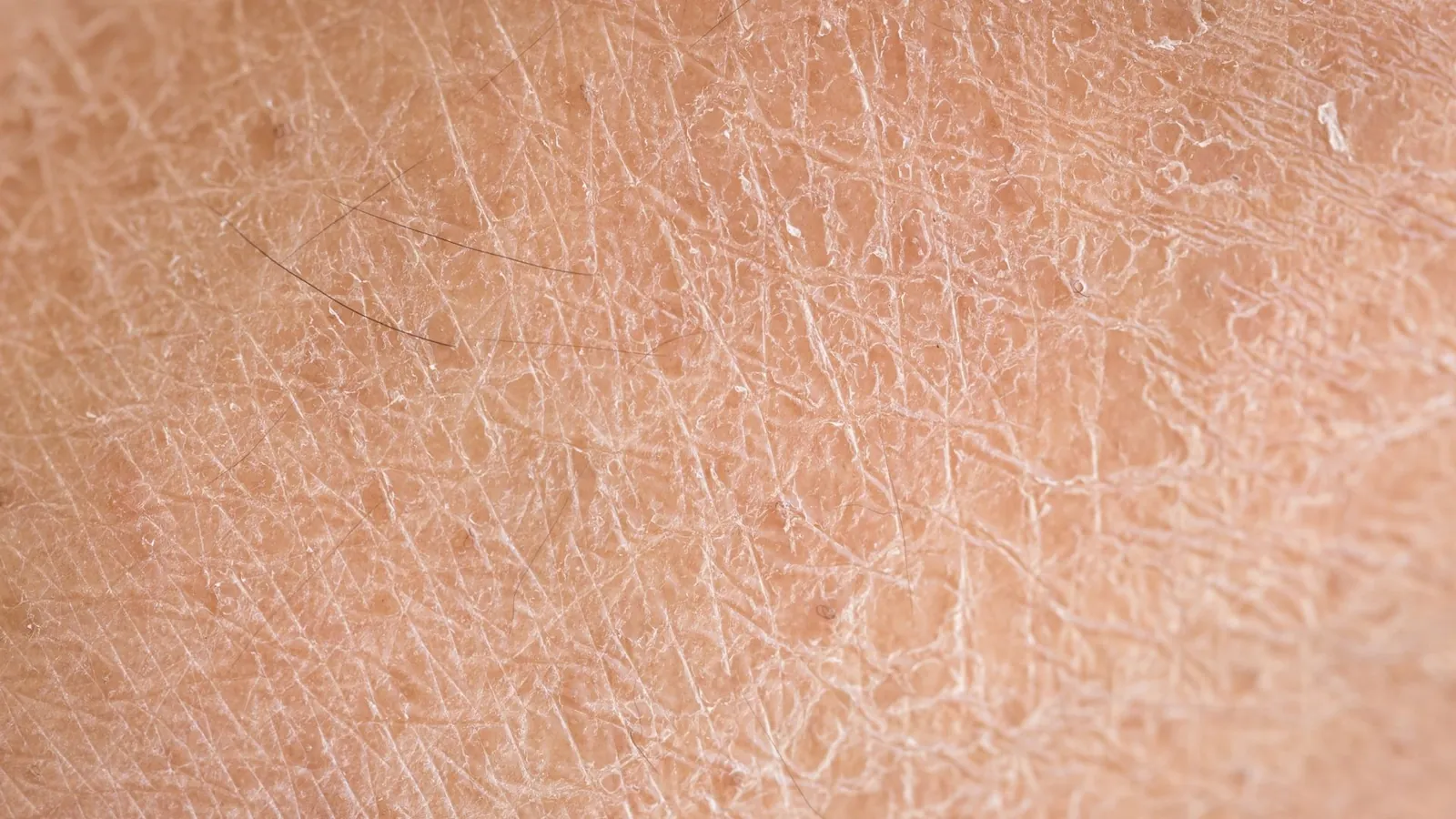
The outer layer loosens and lifts off in sheets or flakes. Heat, sweat, friction, harsh soap and sunburn all do this, and so does a foot peel mask.
What the peeling looks like
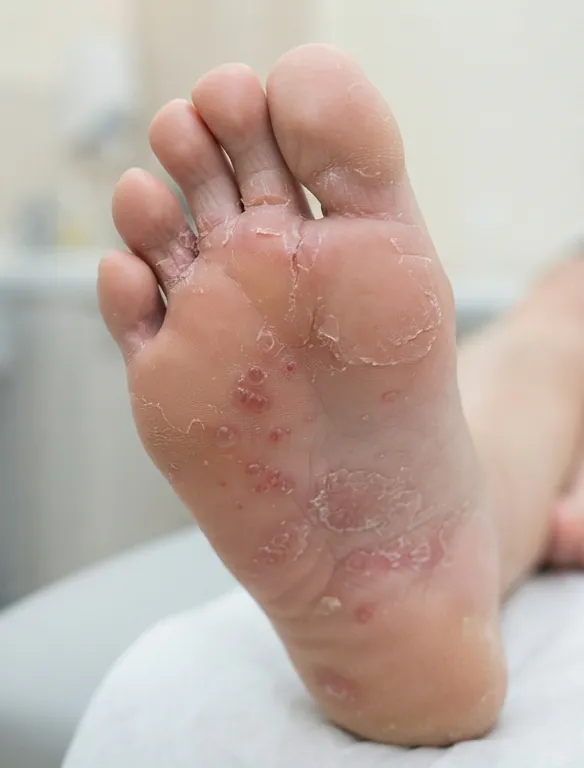
Between the toes it goes white, soft and cracked at the base. On the sole it can be dry scale over the heel and up the sides, with a slightly raised edge.
Small circles of skin lift at the edge and peel away, leaving pink skin underneath. It looks like a sunburn peeling, and it is not raised or crusted.
Does it itch
Itching and burning, worst between the toes and worst when the shoes come off. That itch is the strongest single clue.
It might feel tight or tender, but plain peeling rarely itches. Some people only notice it in the shower.
Where it starts
Most often the gap between the fourth and fifth toes, then the sole and the sides. It often stays ahead on one foot.
Across the ball of the foot, the arch and the sides, usually matching on both feet. Hands can peel at the same time.
What is under the peel
The skin underneath is often inflamed, and there may be a split at the base of a toe that stings.
New skin, a little tender for a day or two, then normal. No cracking, no weeping.
What it does over time
It will not clear on its own. Left alone it reaches the toenails, which are much harder to treat, and it spreads to other people.
Peeling from sunburn or a peel mask finishes in a week or two. The recurring kind comes in waves with hot weather and sweating, then fades.
What actually treats it
Terbinafine or clotrimazole from the drugstore, twice a day. Terbinafine clears more infections and does it in about a week, where clotrimazole takes around four.
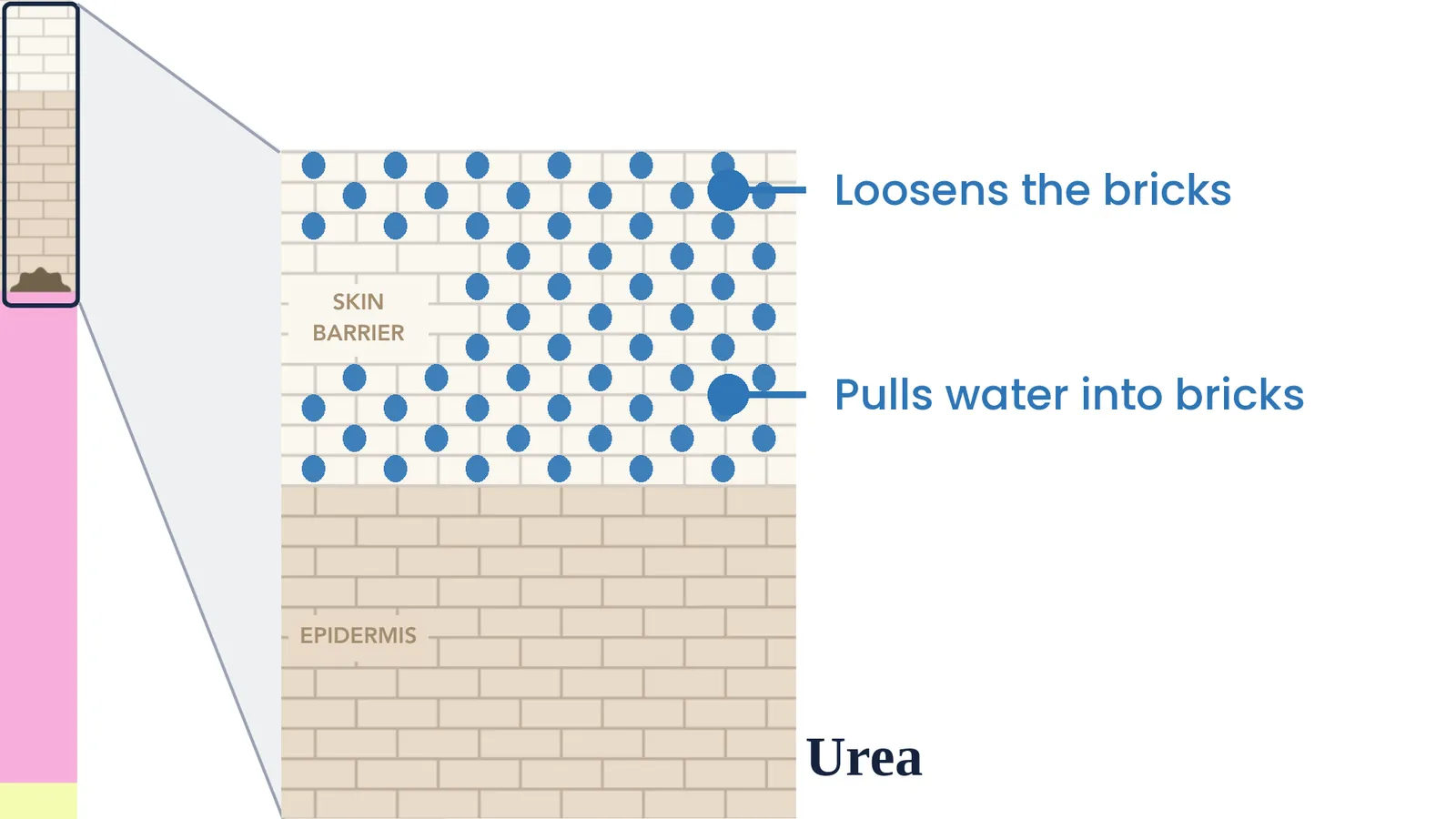
A urea or lipid-rich cream while the skin is damp, milder soap, dry socks, and shoes that fit. There is nothing to kill, so there is nothing an antifungal can do.
When it needs a doctor
Also spreading redness up the foot, or toenails turning thick, crumbly and yellow.
Or if the peeling is painful, weeping, or the skin was already sore before it started.
The itch is the fastest test
Athlete's foot itches. Plain peeling mostly does not.
That one question sorts a large share of cases at home. If your feet are shedding but nothing itches and nothing is red underneath, a fungal infection is less likely.
The second question is whether the two feet match. Peeling is usually a mirror image, because both feet met the same sunburn, the same shoes or the same peel mask. A fungal infection has to spread from wherever it landed, so one foot is often further along.
The other reasons feet peel
Sunburn is the obvious one. Tops of the feet burn easily and people forget them.
A chemical foot peel mask is the next. These are acid-soaked socks, and dramatic sheet peeling for a week or two afterwards is exactly what they are meant to do.
Friction and sweat peel skin too. New shoes, long walks, running, and hot weather all loosen the outer layer.
There is also a harmless condition called exfoliative keratolysis, where round patches of skin lift and peel off the soles and palms with no itch and no redness. It comes back in warm weather, it is not an infection, and moisturizer is the whole treatment.
Antifungal cream on skin with no fungus does nothing
An antifungal cream is the right treatment for athlete's foot: It works on the fungus itself, so a genuine infection improves within days and clears over a few weeks.
An antifungal cream on ordinary peeling has nothing to act on: It will not speed up shedding and it will not stop it returning. Some people also react to the cream base and end up with an irritated foot on top of a peeling one.
If two weeks of antifungal cream has changed nothing at all, that is useful information, not a reason to buy a stronger one.
Getting the peeling to settle
Stop scrubbing. Pulling loose skin off tears into skin that was not ready to come away, and that is what turns a tidy peel into a sore one.
Moisturize twice a day on damp skin. A cream with urea, ceramides or petrolatum holds the new layer together while it toughens up.
Keep the feet dry inside the shoe. Change socks during the day, rotate shoes so each pair dries out, and let the feet breathe in the evening.