Dry Skin vs Fungal Infection
Dry skin is skin that has lost water. It is even, it matches on both sides of the body, it has no clear border, and it improves within days of moisturizing. A fungal infection is something living in the top layer of skin. It has an edge you can see, it grows outward, it usually itches, and moisturizer does nothing to it.
What it is
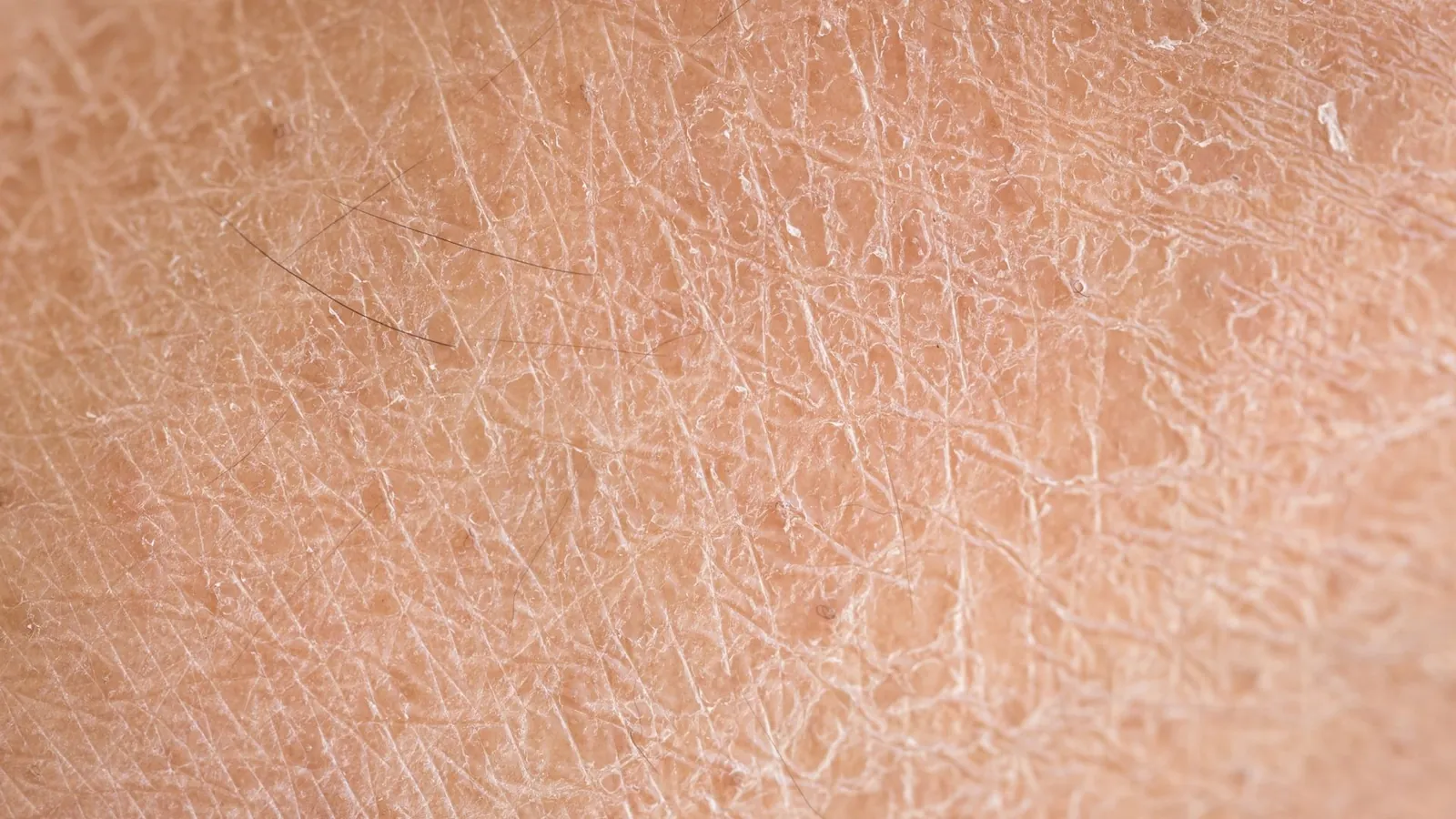
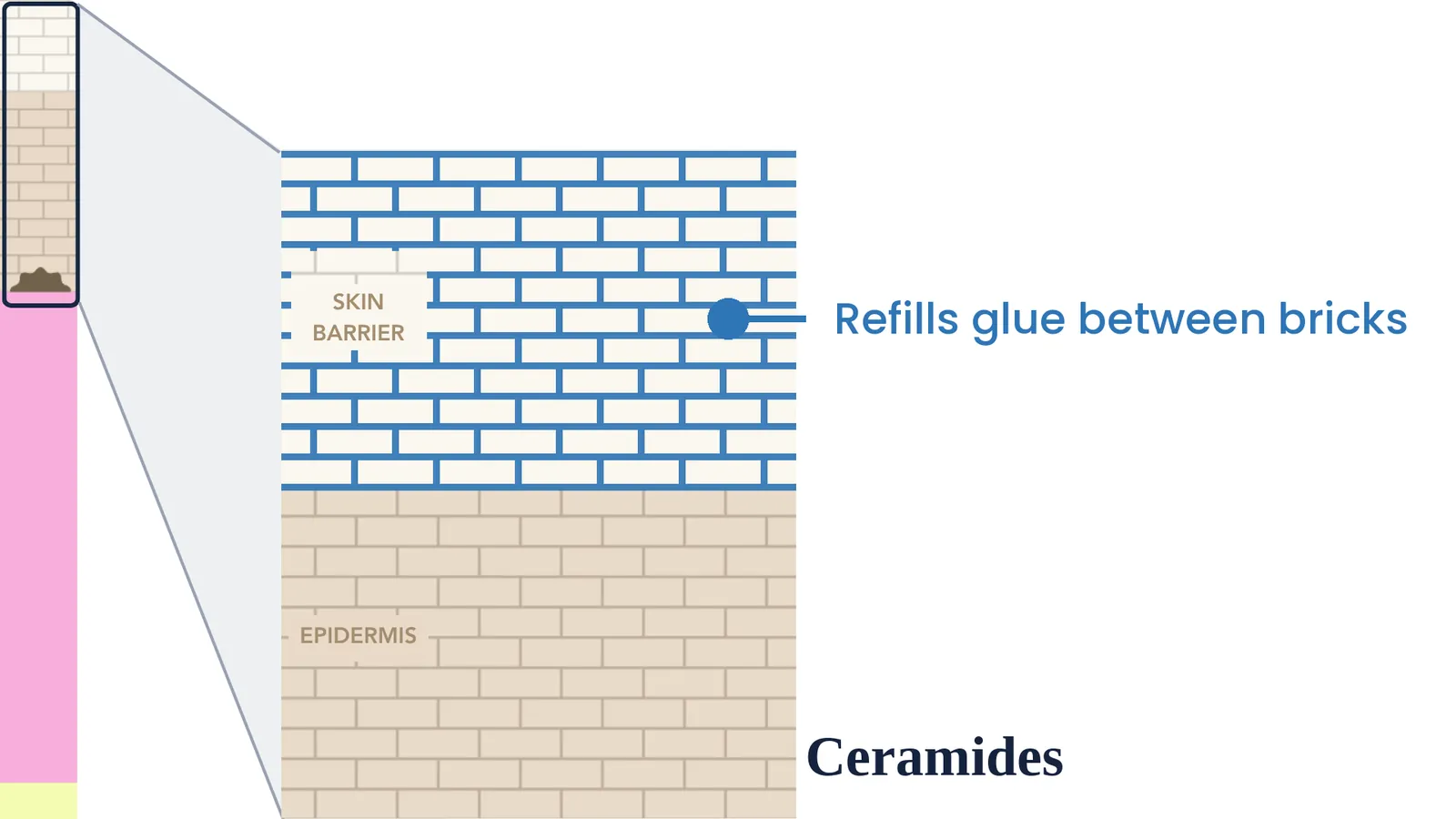
The outer layer runs low on the fats and natural moisturizers that keep water in. It stiffens, flakes and feels tight. Cold air, hot showers and harsh soap all drive it.
Dermatophytes feed on keratin. Yeasts like Malassezia and Candida already live on the skin and overgrow when conditions suit them. Warmth and damp are what they need.
The shape of the patch
Roughness blends into normal skin with nowhere you could draw a line. Both sides of the body usually look the same.
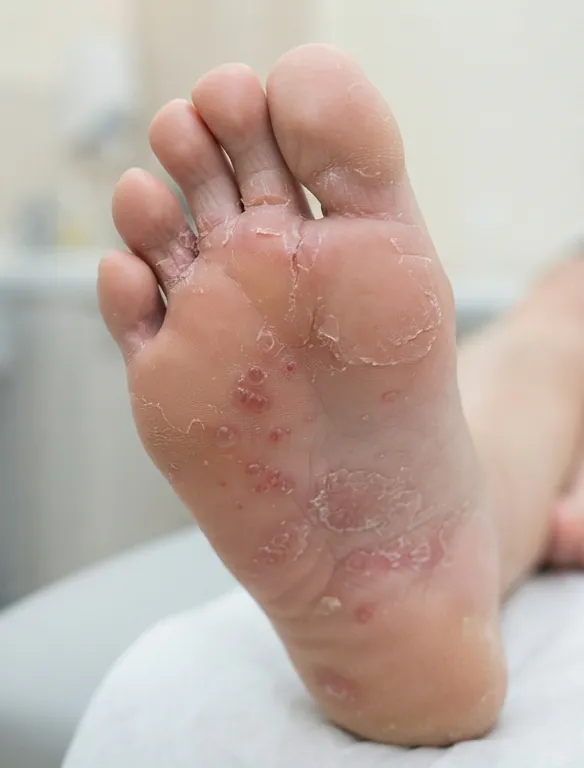
A defined border, often redder and scalier than the middle. Ringworm makes a ring because the fungus grows outward and the centre settles behind it.
Does it itch
Tightness is the main feeling. It can itch after a hot shower or in dry indoor air, then settle.
A steady itch that does not track the weather. Skin-fold infections can also sting or burn.
Where it shows up
The places with the fewest oil glands, on both sides of the body. Worse in winter and after long hot showers.
Between the toes, the groin, under the breasts, the armpits, the waistband, and the folds of the belly. Also the scalp, the chest and the back.
Is it catching
Dry skin is a state your own skin is in. Nobody can catch it from you.
Ringworm and athlete's foot pass through direct contact, shared towels, mats and damp floors. Pets can pass ringworm to people.
What it does over time
Worse in cold dry air, better in humid weather, and better within days of consistent moisturizing.
It does not clear on its own. Patches slowly widen, new ones appear nearby, and infections in the feet can move into the nails.
What actually treats it
A cream with ceramides, urea, glycerin or petrolatum, put on damp skin. Shorter, cooler showers and a soap-free cleanser do the rest.
Terbinafine or clotrimazole cream for most skin infections. Ketoconazole or selenium sulfide for yeast on the trunk and scalp. Widespread or nail infections usually need tablets.
When it needs a doctor
Two to four weeks of daily moisturizer with no change, or cracks deep enough to bleed.
Four weeks of antifungal cream with no change, patches getting larger, or an infection reaching the nails or the scalp.
The border is the test
Stand under a good light and look at where the patch ends.
Dry skin has no ending. It shades off into normal skin, and if you asked two people to draw its outline they would draw it differently.
A fungal patch has an ending you could trace. Often the rim is the busiest part, slightly raised, redder and more scaly than the middle. That is because the fungus is growing outward at the edge while the centre calms down behind it.
The second check is symmetry. Dry skin usually appears on both shins, both hands, both heels. A fungal infection starts in one place and works outward from there.
Moisturizer is a two-week experiment
Moisturizer fixes dry skin: Applied twice a day on damp skin, most dryness looks and feels better within a week and clears within two.
Moisturizer does not fix a fungal infection: It has no effect on the fungus, and a thick cream in a warm fold can keep the skin damp enough to help it along.
So if you are unsure, moisturize properly for two weeks and watch. Real improvement points to dry skin. No change, or a patch that has quietly grown, points the other way.
Not every fungal infection looks like a ring
Ringworm is the picture everyone has, but it is only one shape.
Tinea versicolor makes flat patches on the chest, back and shoulders that are lighter or darker than the skin around them. They flake if you scratch them, and they show up most after sun, because the affected skin does not tan the same way.
Candida likes skin folds. It looks bright red and moist rather than scaly, often with small separate spots just outside the main patch.
Malassezia on the scalp and face causes flaking and redness in the oily areas — the classic version of that is dandruff.
None of those look like a ring, and all of them get mistaken for dry, flaky skin.
Getting dry skin under control
Shorten showers and turn the temperature down. Hot water strips the fats that hold water in, which is why skin feels tightest right after a long shower.
Swap soap for a cream or gel cleanser without fragrance, and only use it where you need it.
Moisturize within a few minutes of getting out, while the skin is still damp. That is what makes the difference between a cream that sits on top and one that works.
Use a humidifier in winter if indoor air is dry. It helps the whole body more than any single product.