Azelaic Acid vs Hyaluronic Acid
Azelaic acid is a treatment. It works on acne, rosacea and dark marks, and it changes how the skin behaves. Hyaluronic acid is a moisturizing ingredient. It pulls water into the surface of the skin and holds it there, and it treats nothing. They share a word and almost nothing else, so most people end up using both rather than choosing.
What you do
A cream, gel or foam spread over the whole area, then moisturizer and sunscreen on top.
A serum or lotion applied to slightly damp skin, followed by a moisturizer. On its own in dry air it can leave skin feeling tighter.
What you will see
Calmer skin, fewer inflamed pimples, and brown marks from old spots fading over months.
Fine dryness lines soften, tightness eases, and skin looks smoother straight away. The change is in comfort and appearance, not in the condition.
What it will not do
Azelaic acid has no moisturizing effect. Used alone it can leave dry skin feeling tight.
Hyaluronic acid does not clear acne, fade dark marks, reduce redness or build collagen. It holds water.
How long until it works
Spots improve first. Pigment takes longer, because you are waiting for marked skin to be replaced.
Hydration is immediate. It is also short-lived, which is why it is reapplied daily.
How long it lasts
Redness and spots drift back over a few months after stopping.
Water leaves the skin steadily. A moisturizer over the top slows that down.
The downside
A mild sting or itch in the first couple of weeks is common and usually settles. Some gels feel gritty.
It is one of the best-tolerated ingredients in skincare. In very dry air it can draw water out of the skin instead of in, which is why a moisturizer on top matters.
Cost
The prescription strength costs more and may be covered by insurance for acne or rosacea.
It is in a large share of drugstore moisturizers and serums already.
The at-home or drugstore version
The over-the-counter azelaic acid is the same ingredient, weaker, and it works more slowly. The prescription version is what is used for rosacea and stubborn pigment.
The serum on the shelf is the same molecule a clinic uses. The injected version is a different product entirely — a filler placed under the skin to add volume, which a serum cannot do.
Why they are not really a comparison
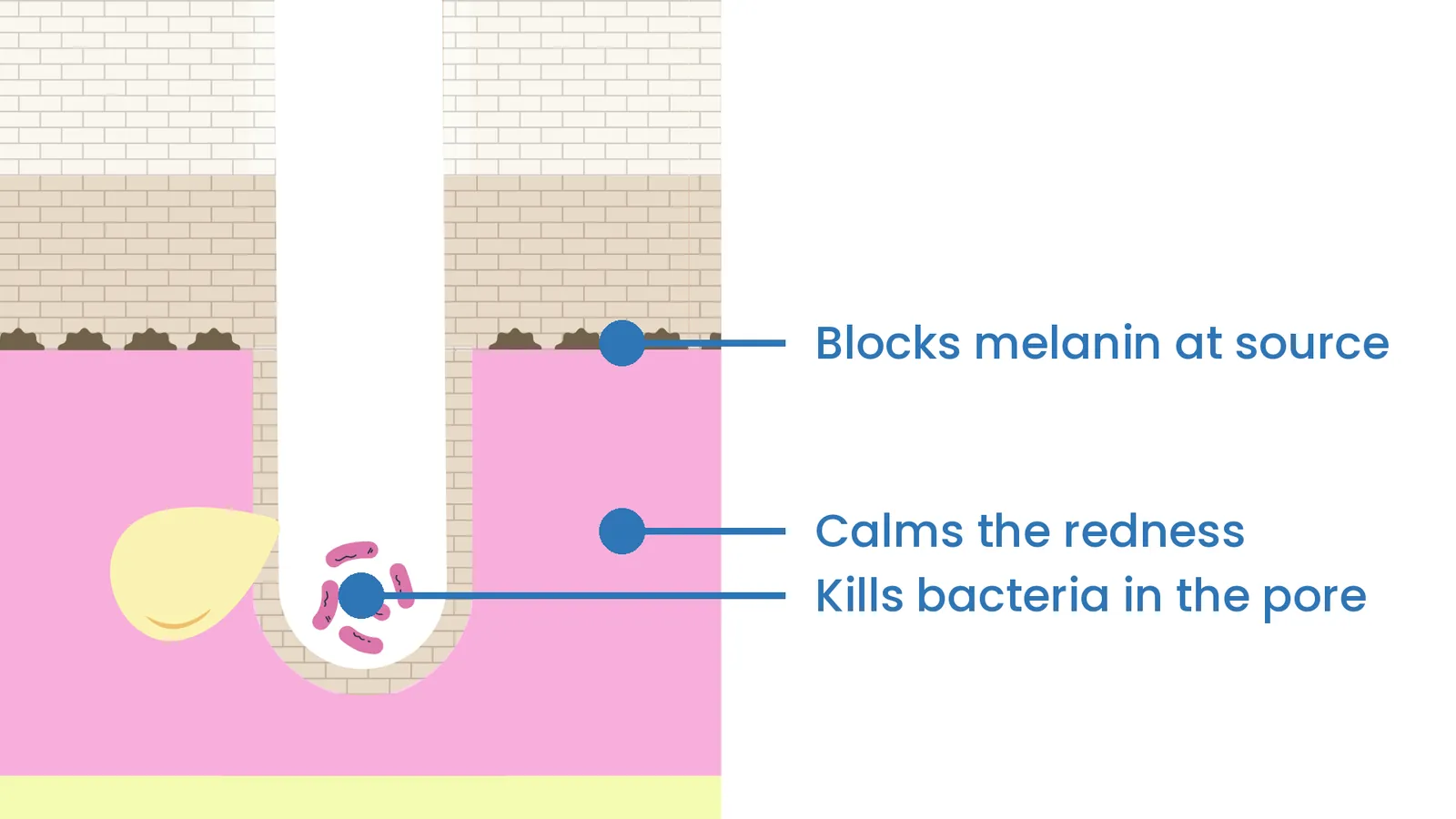
Azelaic acid asks the skin to change: It reduces inflammation, slows the pigment cells that are working too hard, and helps clear the pore. Those are treatment effects, and they take weeks.
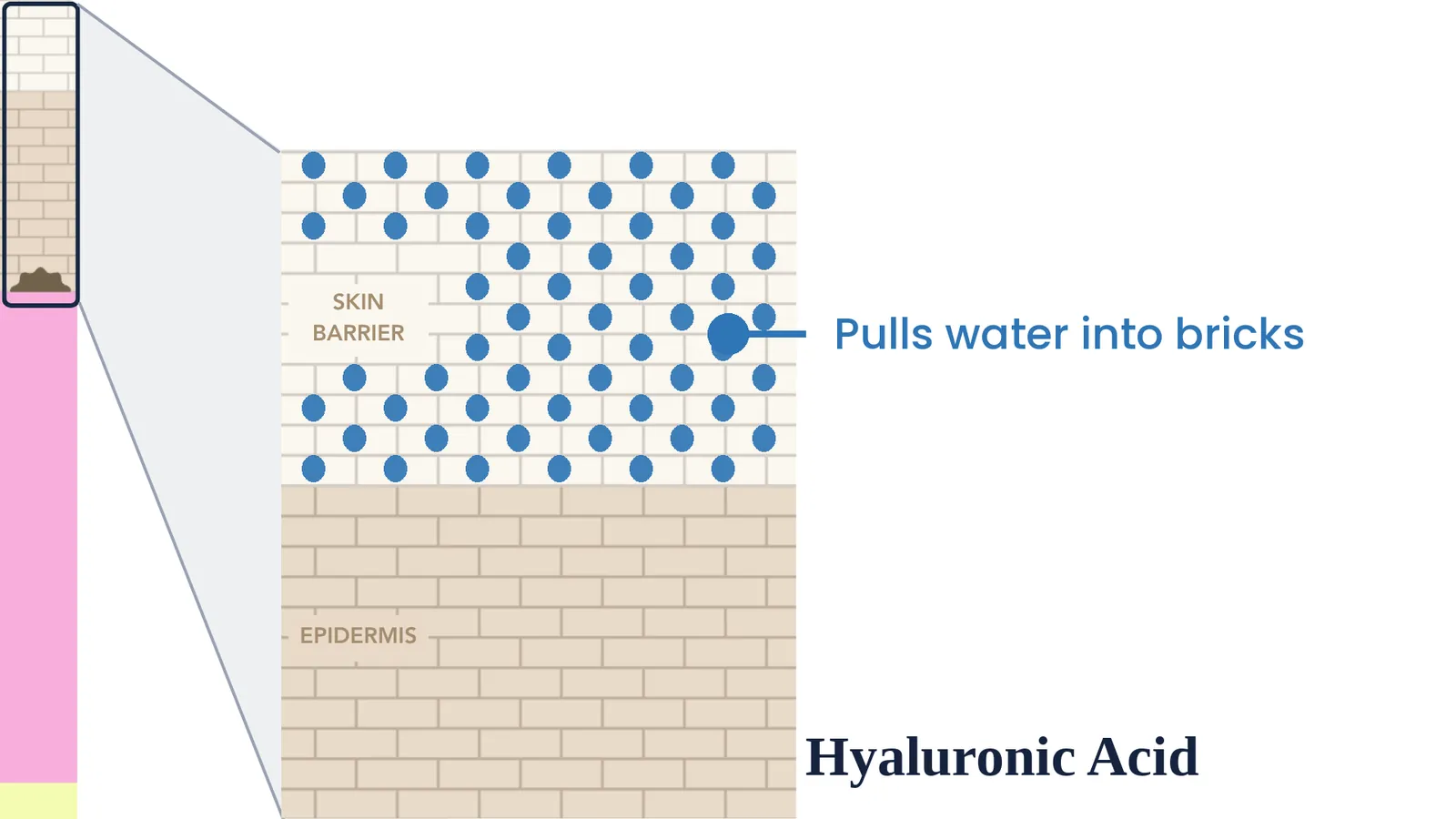
Hyaluronic acid asks nothing of the skin: It is a humectant, a molecule that binds water. It sits in the surface layers and holds moisture there for a few hours.
So one is a prescription-grade active and the other is a moisturizer ingredient: Comparing them is like comparing a medicine to a glass of water.
Using them together
They pair well, and the pairing solves a real problem: Azelaic acid can leave skin dry and tingly in the first few weeks. Hyaluronic acid underneath, and a moisturizer on top, makes it easier to keep going.
Order matters a little: Damp skin, then hyaluronic acid, then azelaic acid, then moisturizer is a routine that works for most people. Some prefer the azelaic acid first on clean skin.
Neither cancels the other out: There is no interaction to worry about, and no need to leave a gap between them.
Which one your problem actually needs
Choose azelaic acid if the problem is spots, redness or brown marks: Those need an active ingredient, and hyaluronic acid will not touch them.
Choose hyaluronic acid if the problem is tightness, flaking or dullness from dryness: Those need water and a moisturizer, and an active will make them worse.
If you are not sure, look at what the skin is doing: Skin that is breaking out needs treatment. Skin that is uncomfortable needs moisture. Skin doing both needs both.
Before you start azelaic acid
Give it eight to twelve weeks before deciding whether it is working
Spread it over the whole area, not just on individual spots
Expect a mild tingle in the first fortnight, and expect it to settle
Apply hyaluronic acid to damp skin and always seal it with a moisturizer
Ask about the prescription strength if rosacea or stubborn pigment is the problem
Keep sunscreen in the routine, since fading marks without it is slow work
%2520-%2520Render.webp)