Common Wart vs Plantar Wart
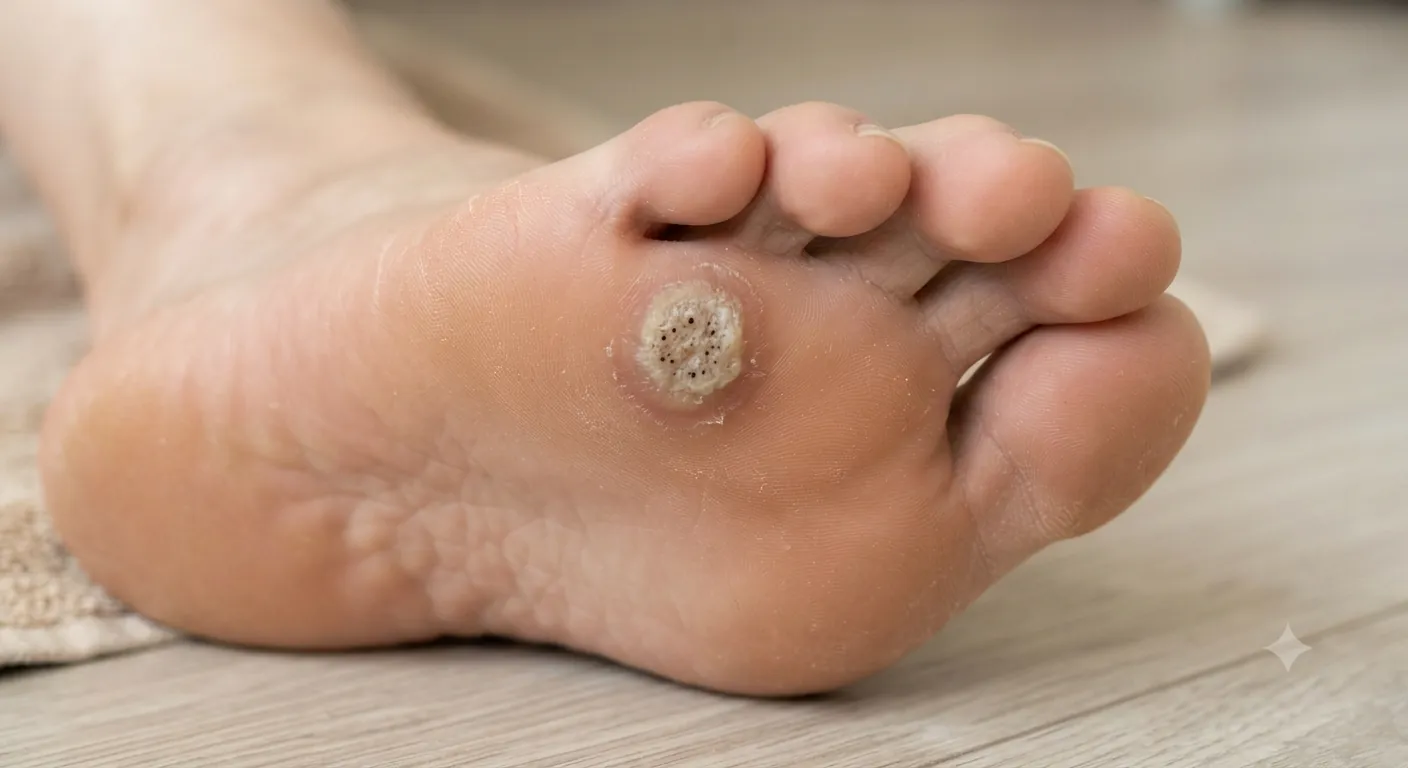
A common wart is a raised, rough lump, usually on a hand or a finger. It sits up above the skin, and it rarely hurts. A plantar wart is the same kind of virus on the sole of the foot. Body weight presses it flat and inwards, so it looks like a hard callused spot and hurts to stand on. Same family of virus, different place, different shape.
What it is
A human papillomavirus infects skin cells and makes them multiply. Common warts on the hands are usually caused by HPV types 2 and 4.
The same family, most often HPV type 1 on the sole. The virus behaves the same way. The pressure of walking is what changes the result.
What it looks like
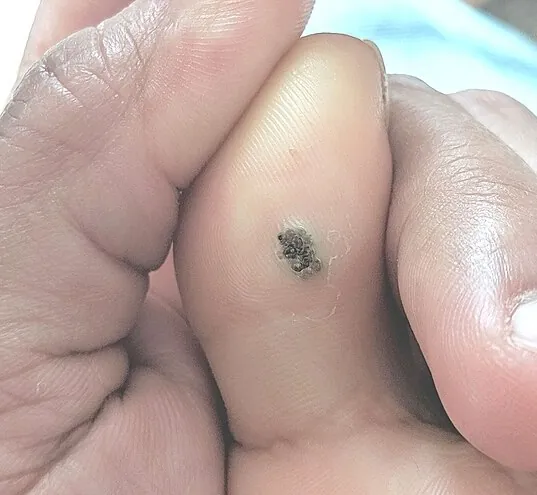
A firm bump that stands proud of the skin, grey-brown, with a cauliflower surface and a thickened rim.
Level with the skin or slightly sunken, with a ring of thick pale skin around a rougher centre. Both usually show tiny dark dots, which are clotted blood vessels.
Size
It thickens over weeks. A ring of smaller warts can appear around a larger one.
Several can merge into one broad patch on the sole. That flat, tiled version is called a mosaic wart.
Does it hurt
Most hand warts are noticed by sight. One beside a fingernail can be sore, because the skin there is tight.
It feels like a small stone in your shoe. Squeezing it from the sides usually hurts more than pressing straight down.
Where it shows up
Backs of the hands, around the nails, and on the knees. Nail biting explains the ring of warts many people get around one finger.
It can appear on parts of the sole that take no weight at all, because it is an infection rather than a pressure problem.
What it does over time
The immune system recognises the virus eventually. Children usually clear warts faster than adults do.
The same wart can sit for years, and the warm damp inside a shoe helps it seed new spots nearby.
How it is treated
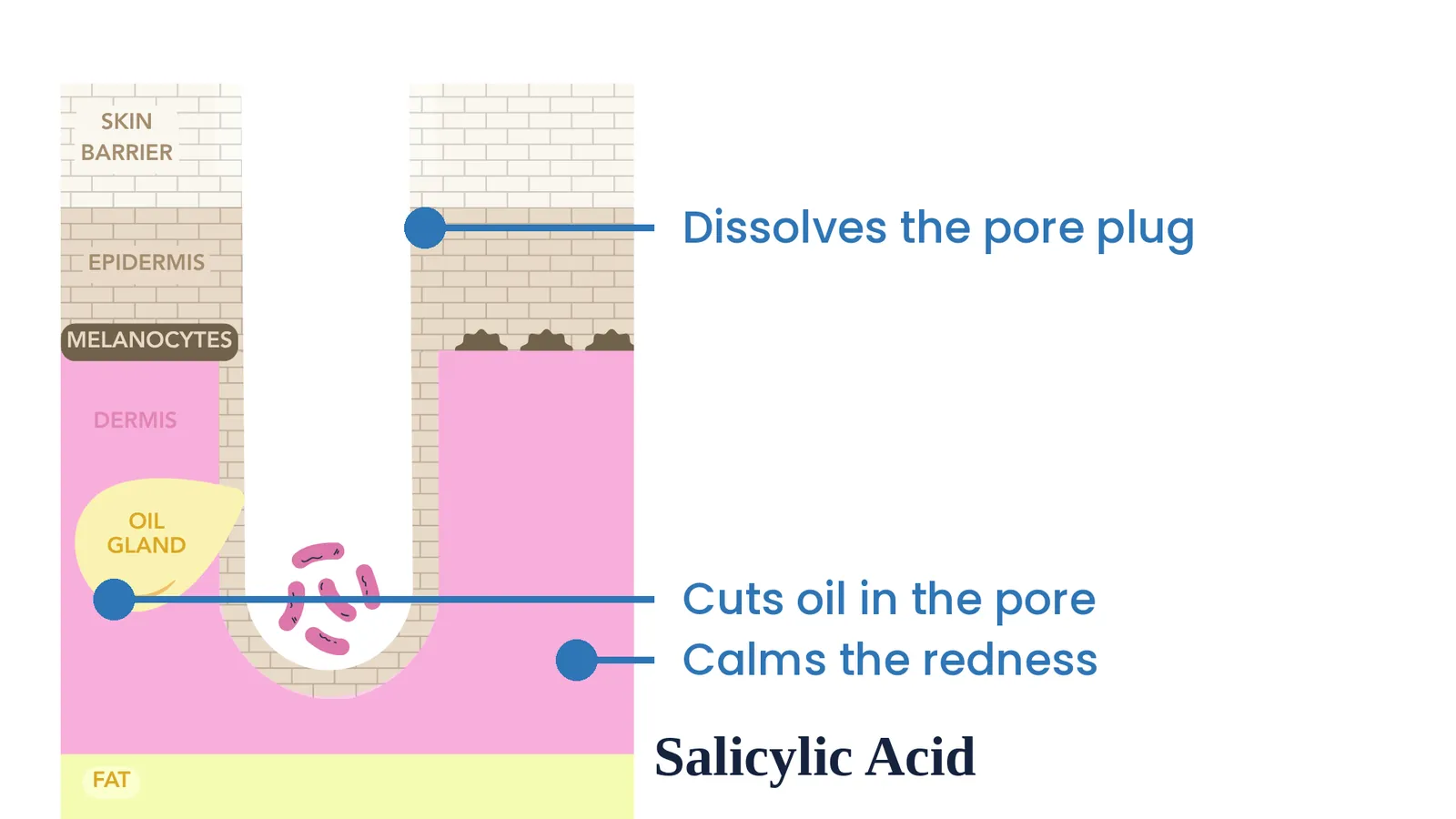
Salicylic acid daily, with gentle filing between applications. Liquid nitrogen freezing in a clinic is the usual next step, every one to two weeks.
The skin on the sole is far thicker, so treatment uses higher-strength salicylic acid, more soaking and filing, and more visits.
When it needs a doctor
Worth a visit if it bleeds without being knocked, changes colour or shape, keeps spreading, or you want a facial one treated without a mark.
Worth a visit if it hurts enough to change how you walk, if it has not shifted after several weeks, or if you have diabetes, neuropathy or poor circulation.
Why the same virus looks so different
On a hand, a wart grows outwards: Nothing presses on it, so it builds up into a dome you can see from across a room.
On a sole, a wart grows inwards: Every step pushes it back into the skin. The body lays down a thick pad of callus over the top, which is why it ends up looking like a corn rather than a lump.
That is why the foot one hurts and the hand one does not: The growth is being pressed into the tissue underneath, not floating on top of it.
Three checks you can do on a foot
Not all three have to agree. The skin lines are the most reliable.
Skin lines: The fine lines on the sole stop at the edge of a wart and travel around it. On a corn or callus they run straight over the top.
Dark dots: A wart usually has tiny black or dark red pinpoints. A corn has a hard, slightly clear core instead.
Squeeze: A wart hurts more when pinched from the sides. A corn hurts more when pressed straight down.
What treatment actually asks of you
Both need weeks of daily work, not a single application: The routine is the same: soak the skin, file the surface gently, apply the acid, cover it, repeat the next day. Stopping after a week is the most common reason it fails.
Use a disposable file and throw it away each time: A file that has touched a wart carries the virus. Reusing it moves the infection to new skin on your own foot, or to someone else in the house.
A plantar wart takes longer than a hand wart, so plan for months: The acid has to get through a much thicker layer of skin before it reaches the wart at all.