Eczema vs Dry Skin
Dry skin is skin that has lost water. A good moisturizer fixes it within a week or two. Eczema is inflammation in the skin. It itches before it looks like much, it comes and goes in flares, and moisturizer alone rarely settles it.
What it is
The immune system overreacts and the skin barrier leaks water. It often runs in families, alongside asthma and hay fever.
The outer layer stops holding enough water, so it stiffens and flakes. Cold air, hot showers, harsh soap and age are the usual causes.
What it looks like
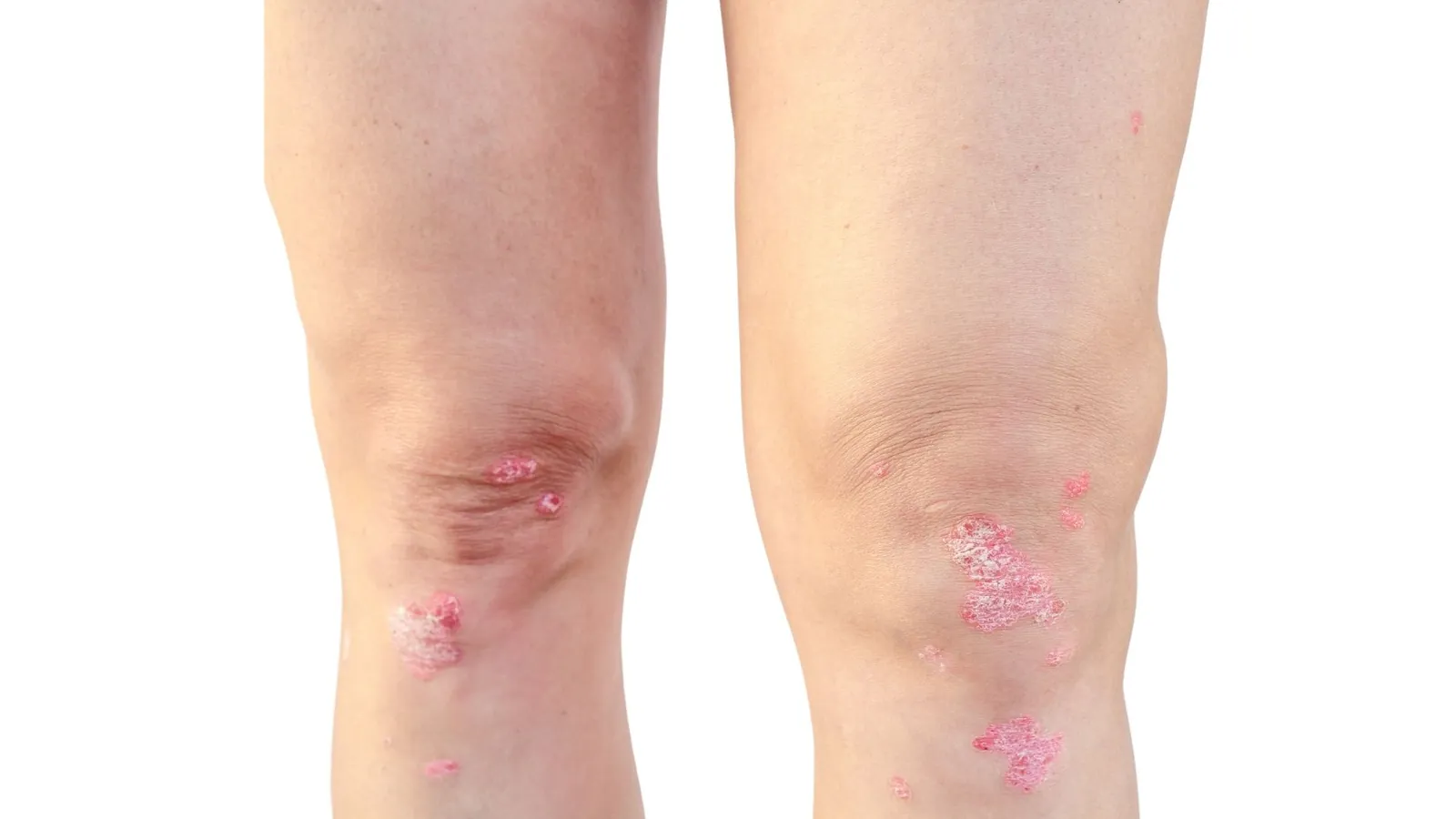
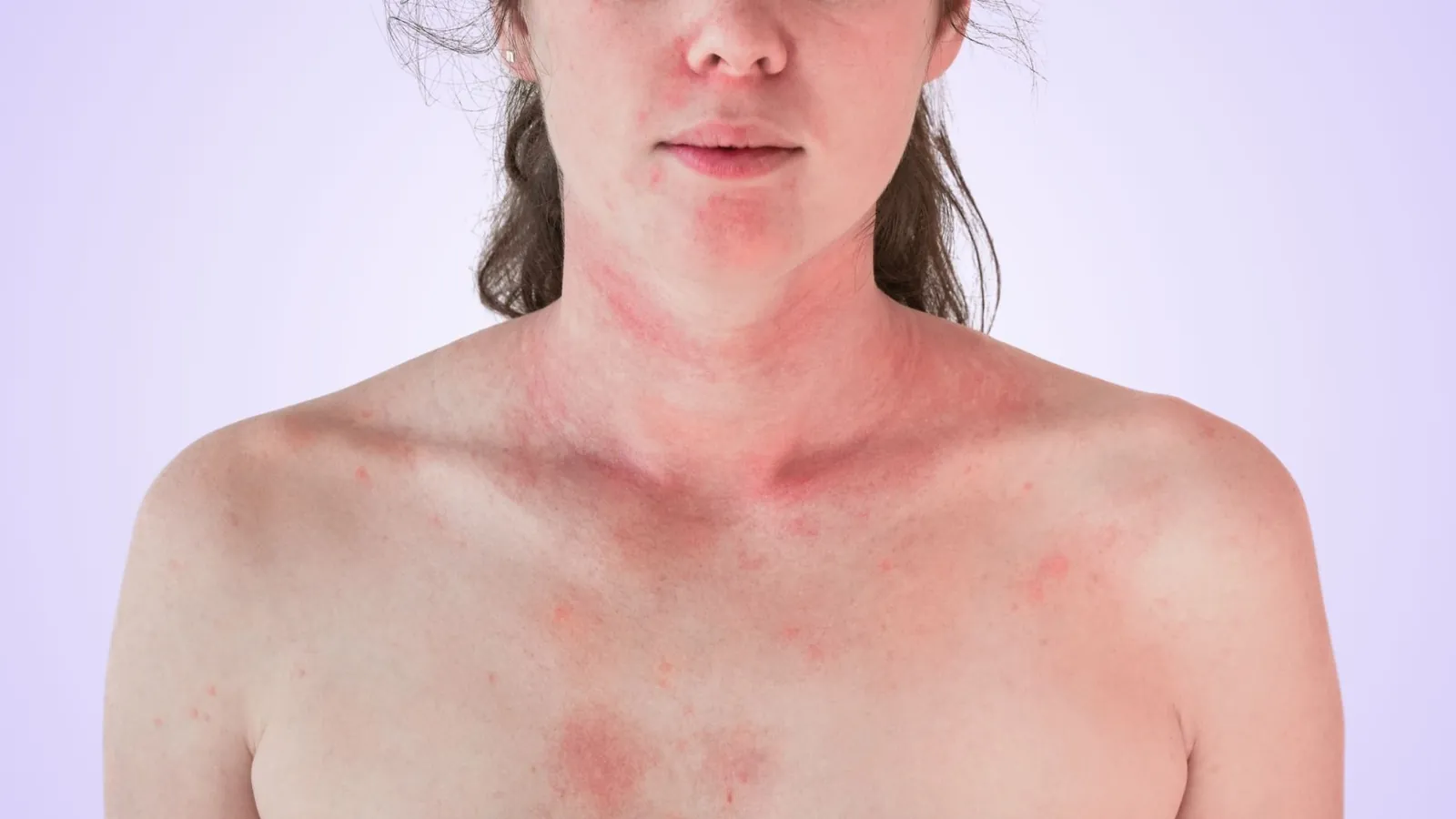
Skin looks thickened, cracked or crusted. On brown and black skin the patches are often grey, purple or darker brown rather than red.
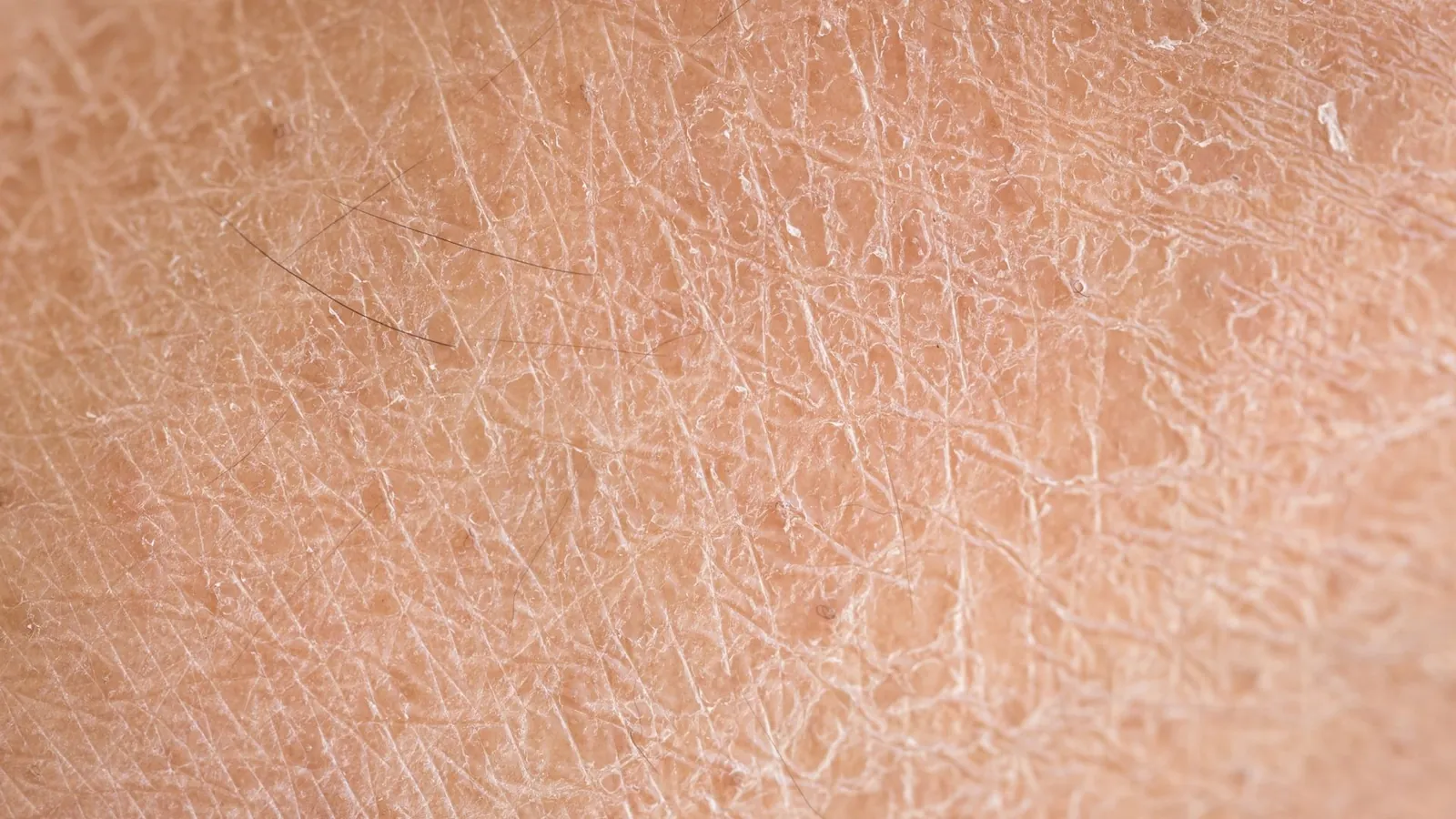
Fine white scale, a rough surface, and skin lines that look more visible than usual. The colour underneath stays normal.
Does it itch
The itch usually arrives before there is much to see. It wakes people at night, and scratching makes the rash worse, which makes it itch more.
Dry skin feels tight and can prickle. It rarely stops you sleeping.
Where it shows up
Insides of the elbows, backs of the knees, wrists, ankles, neck and eyelids. In babies it starts on the cheeks and scalp.
Wherever skin is thin and there are few oil glands. Lower legs are the classic spot, especially in winter.
What sets it off
Soap, wool, sweat, heat, stress, dust mites, and some foods in young children. It calms and returns rather than staying level.
Winter air, indoor heating, long hot showers, and strong soap or detergent. It improves as soon as those change.
What moisturizer does
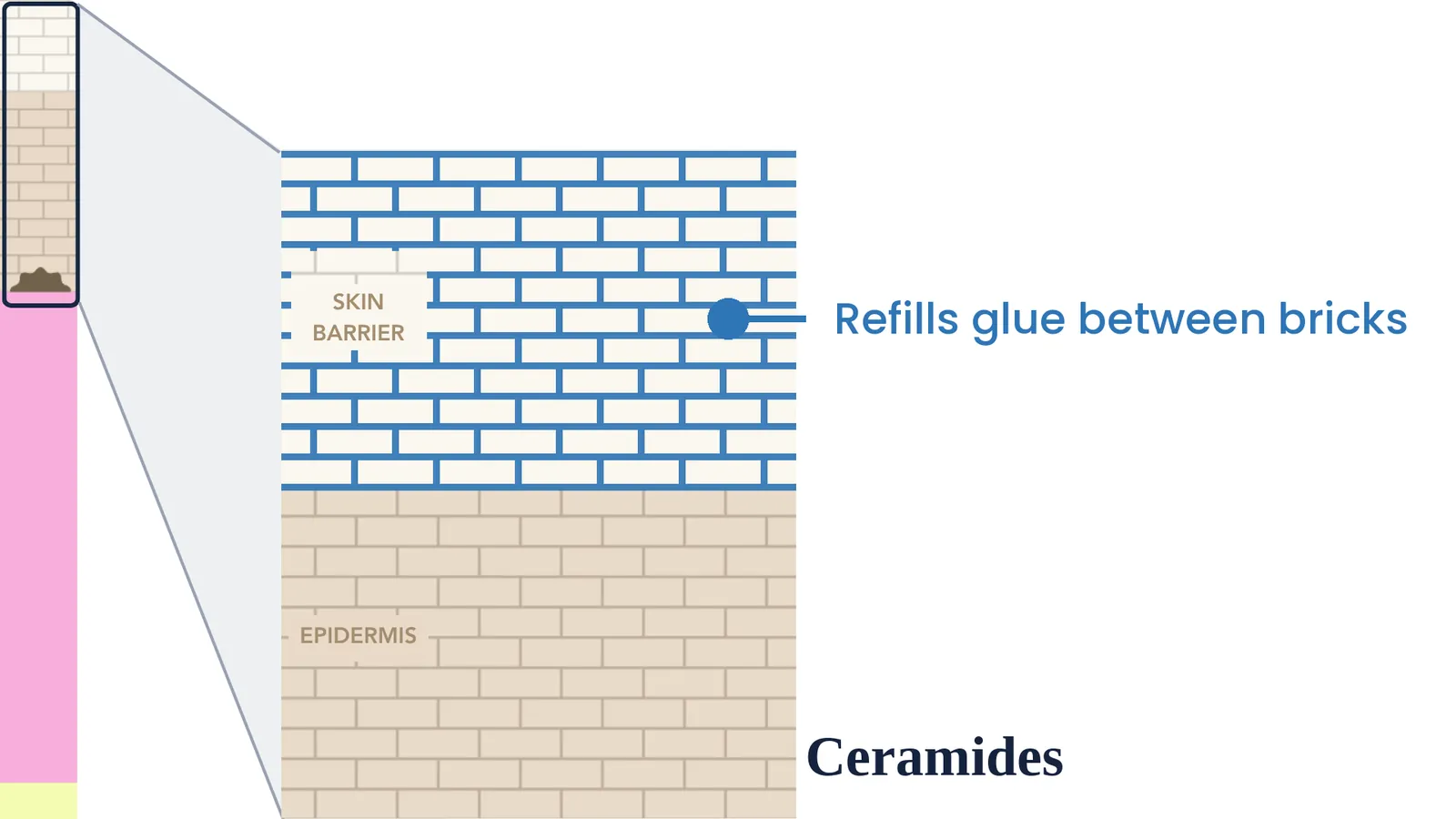
Moisturizer protects the barrier and lowers how often flares happen. It does not switch off inflammation that has already started.
A thick cream or ointment used twice a day usually clears dry skin inside two weeks.
What actually treats it
A short course of a topical steroid settles a flare. Non-steroid creams such as tacrolimus, pimecrolimus and crisaborole are used on the face and for longer stretches. Severe eczema has tablet and injection options.
Thick cream on damp skin, shorter cooler showers, and a soap substitute. Nothing prescription is needed.
What it does over time
Most children improve a lot by their teens. Adult eczema tends to flare and settle rather than disappear for good.
It returns each winter for many people, and clears again with regular moisturizer.
When it needs a doctor
Weeping, yellow crust or a sudden painful spread means infection on top of the eczema. Lost sleep, spreading patches, or no change after two weeks all deserve an appointment.
Dry skin that has not improved after two or three weeks of proper moisturizing is usually not just dry skin. Thyroid problems and some medicines also cause it.
The itch tells you which one it is
Eczema itches before it looks like anything: People often scratch the same patch of skin for days and then watch a rash appear where they scratched. The itch is the condition. The rash is what inflammation and scratching do to the skin.
Dry skin looks rough before it feels like anything: You notice the flaking and the fine cracks first. It may prickle or feel tight, but it does not usually drive you to scratch.
An itch that wakes you at night points to eczema: That is the single question worth asking yourself. Ordinary dry skin almost never does that.
Moisturizer is the test that settles it
Dry skin answers to moisturizer within two weeks: Use a thick cream or ointment twice a day, on damp skin straight after washing, and swap your soap for a cream wash. If the skin is smooth and comfortable after two weeks, it was dry skin.
Eczema improves with moisturizer and then stalls: The flaking gets better. The itch and the raised, inflamed patches stay. That gap is your answer, because inflammation needs an anti-inflammatory cream and moisturizer is not one.
What to use, and in what order
For dry skin, thicker is better: Ointments hold the most water in, creams come next, and lotions are the weakest. Apply within a few minutes of a shower while the skin is still damp. Ceramides, glycerin, petrolatum and urea are the ingredients that do the work.
For eczema, moisturizer is the base and the cream is the treatment: Keep moisturizing every day, including on skin that looks clear, because it lowers how often flares come. Add the prescribed cream to the flaring patches for as long as you were told.
Stopping treatment the day it looks better is the common mistake: A patch usually still has inflammation under skin that looks calm. Finishing the course is what stops the flare returning a fortnight later.
Things that make both worse
Hot showers feel wonderful and make both worse: Heat pulls oil off the surface. Warm and short beats hot and long.
Soap is harder on skin than most people expect: Foaming body wash and bar soap strip the fats that hold water in. A soap substitute or a cream wash cleans without that.
Scratching is the one that only matters for eczema: It damages the barrier, and damaged skin itches more. Short nails, a cool compress, and treating a flare early are what break the loop.