Halo Laser vs Microneedling
Halo is the one for colour. It is a laser that resurfaces the top of the skin, so sun spots, uneven tone, dullness and fine lines all improve, usually in one or two sessions with about a week of peeling. Microneedling is the one for texture. It has the stronger evidence for acne scars and rough skin, and it uses no light, which makes it the safer starting point on deeper skin tones. No trial has compared the two.
What touches your skin
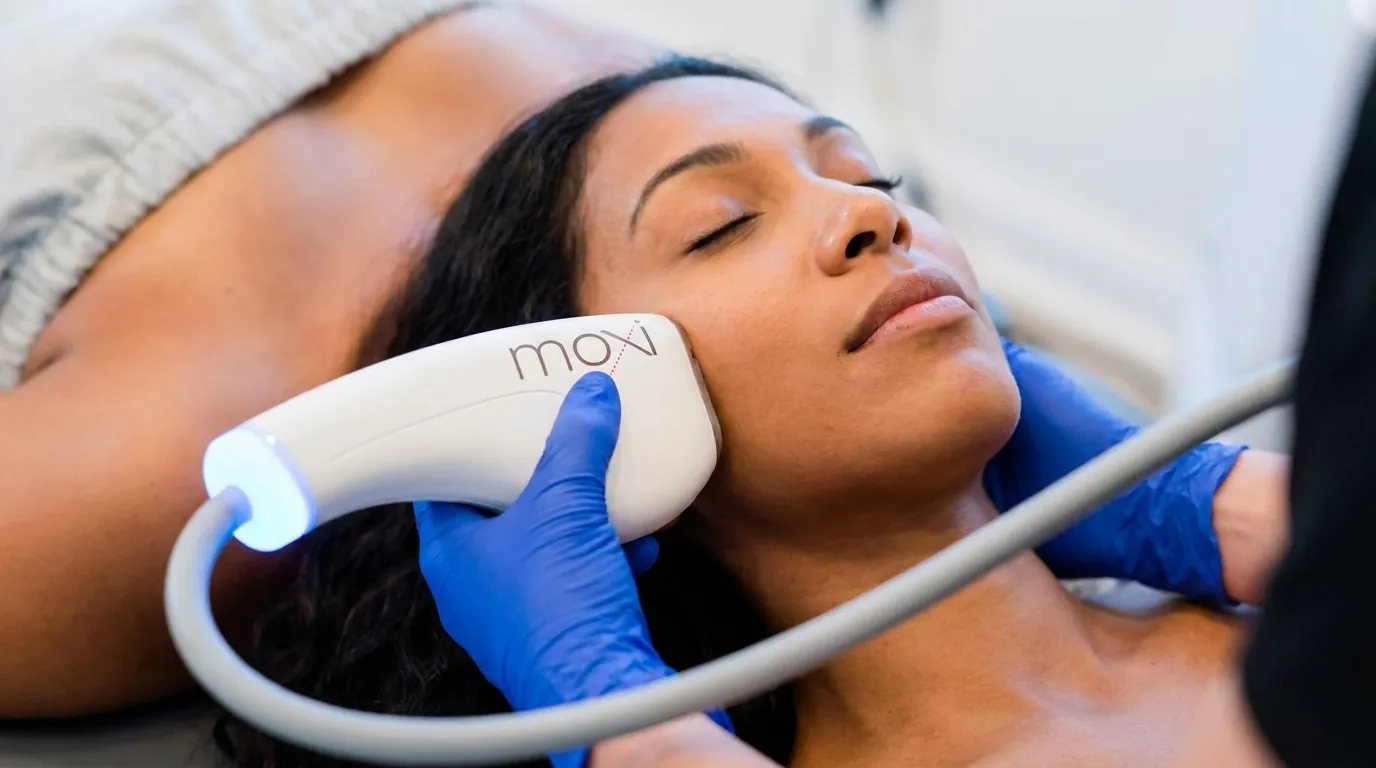
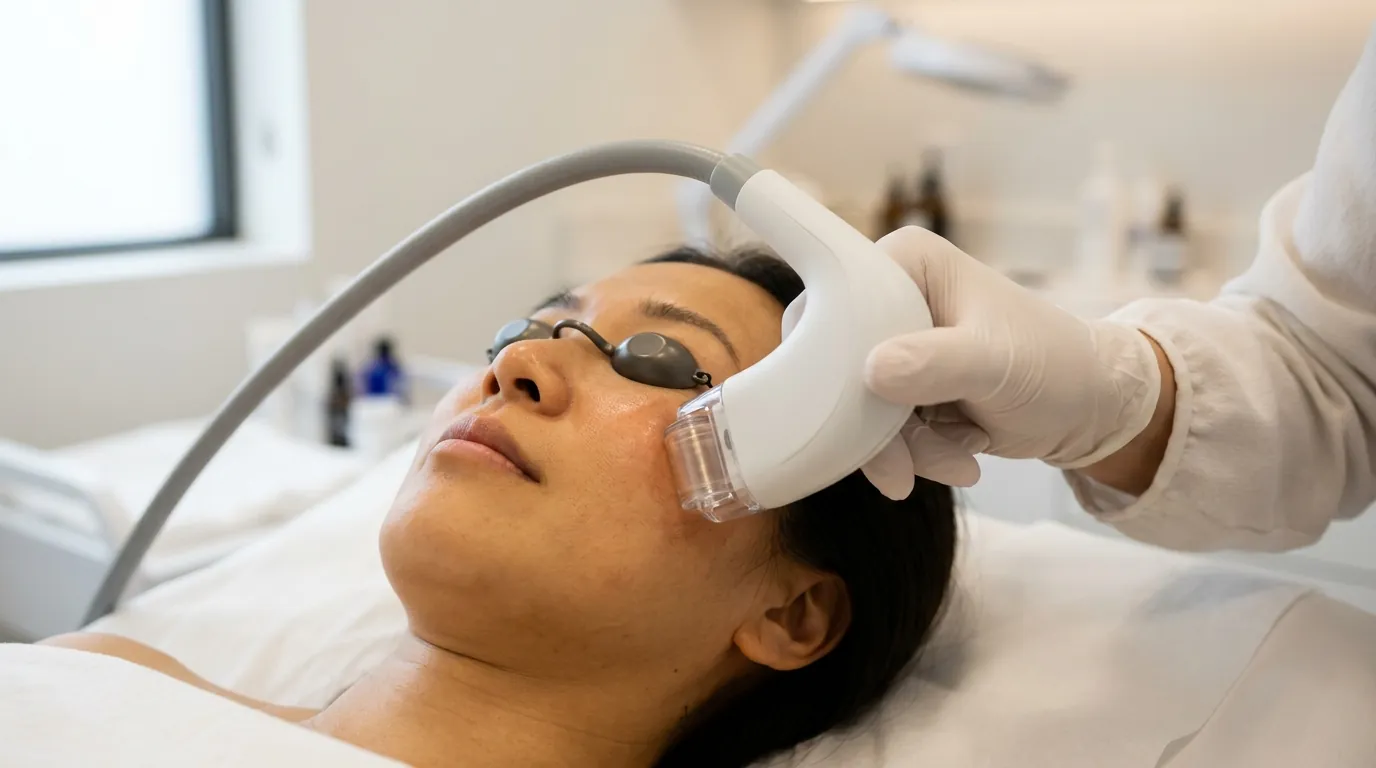
Halo is a hybrid laser. In one pass it removes a little surface skin in some columns and heats deeper in others, leaving untreated skin in between to heal the rest.
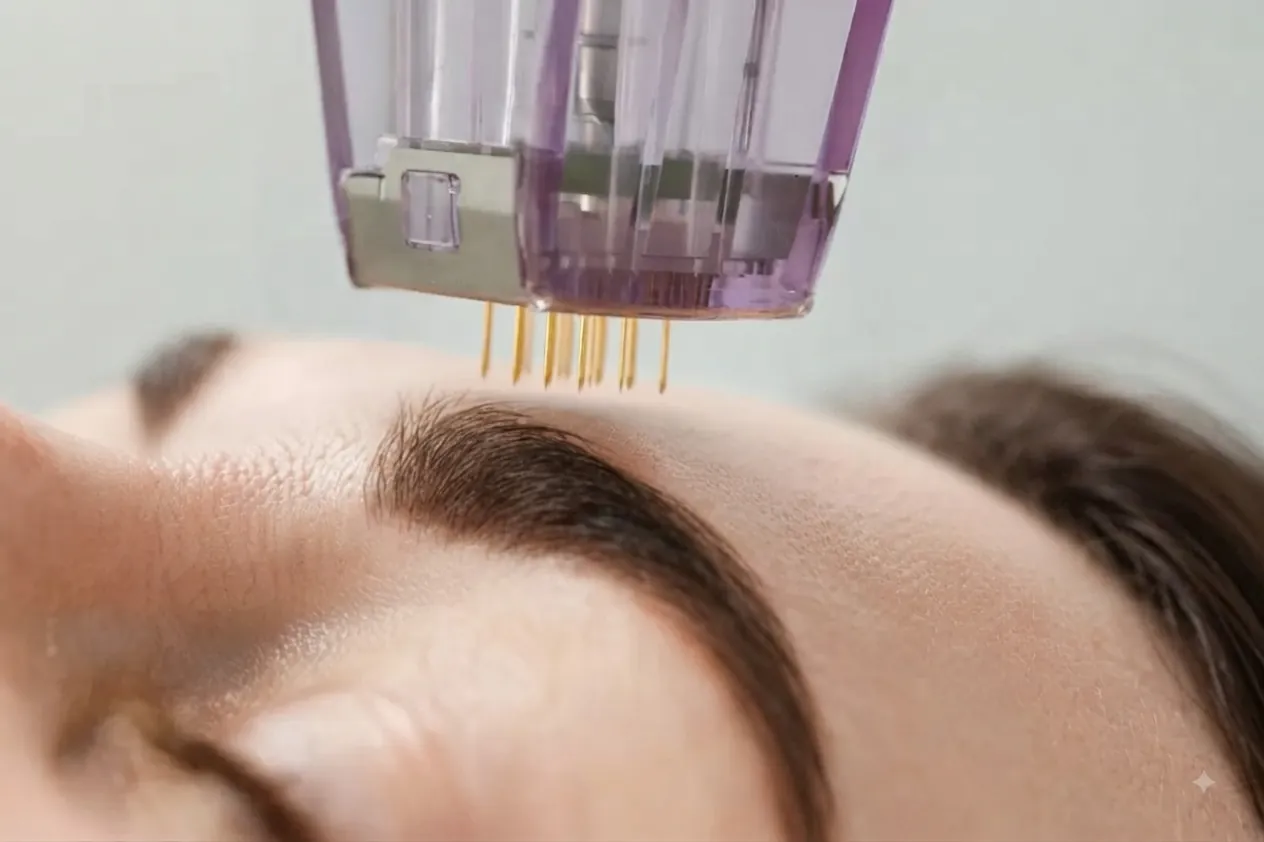
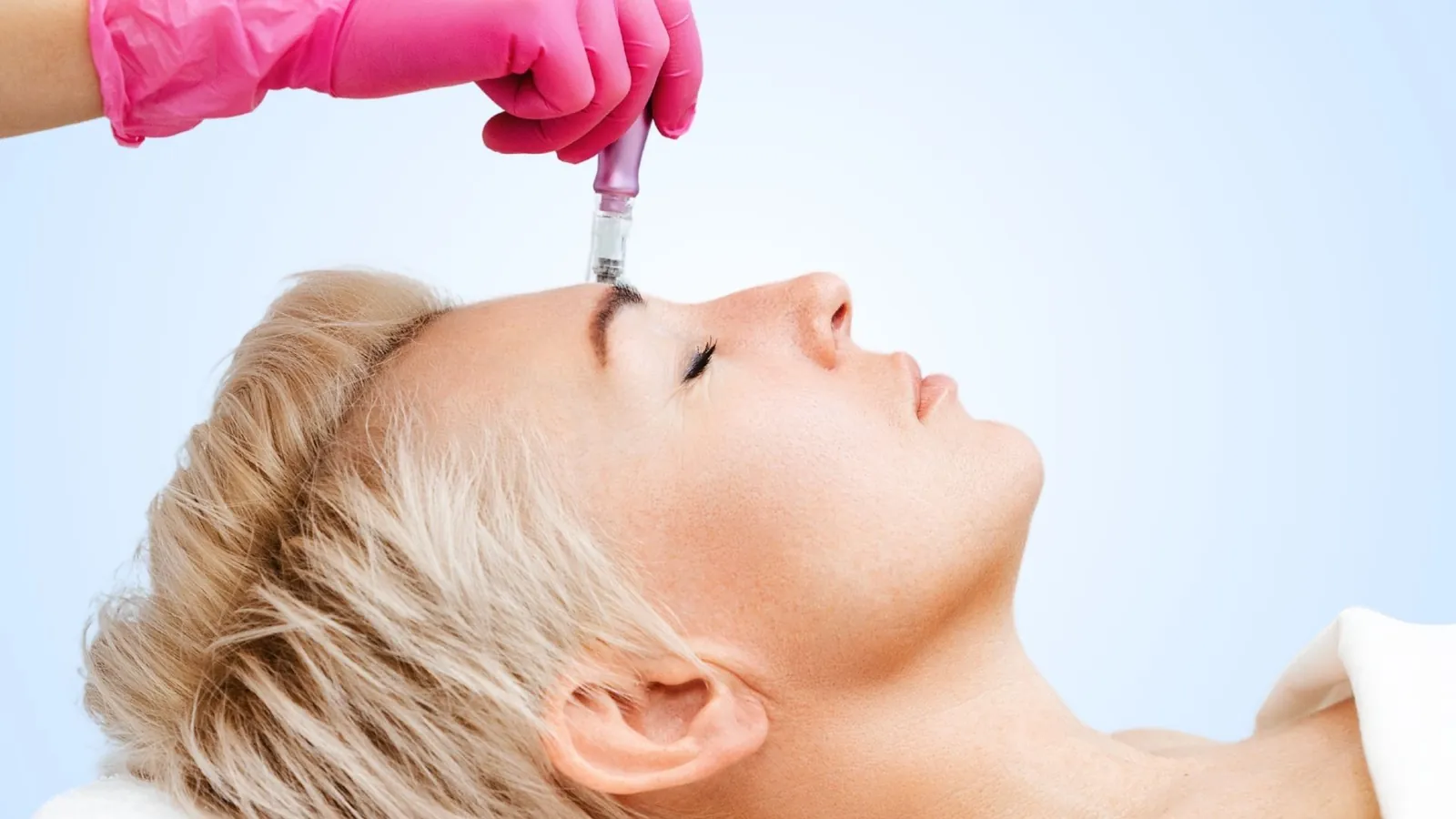
A motorised pen makes thousands of channels into the dermis, the layer where collagen is made. Repairing them builds new collagen.
What it is best at
Colour is the main job. Fine lines and the general glossiness of the skin improve alongside it.
Rolling and boxcar acne scars, open pores and roughness. Deep, narrow icepick scars improve least.
What it will not do
The energy is concentrated near the surface. A soft jawline is not its job.
Needling works on the shape of the skin, not its colour. Brown patches stay where they are.
What you will see
Sun spots darken, come to the surface and flake away. What is left looks more even and reflects light better.
Change builds over months as new collagen forms under the scar.
How many sessions
The treatment itself takes about half an hour, after numbing.
It is a course. One session is a taster.
How long until it works
The skin looks better once the peeling finishes, and colour keeps improving for several weeks afterwards.
Results keep building for a few months after the last visit.
How long it lasts
Sun exposure is what undoes it. New spots arrive if you stop wearing sunscreen.
New collagen stays. Your skin keeps ageing around it.
Downtime
The face is red and hot for two to three days, then goes rough and flakes for a few more. This is the part people underestimate.
Redness, then light flaking. Make-up is usually fine after a day.
Skin tone
Halo is light-based, so it interacts with pigment. On deeper skin tones there is more risk of a patch healing darker, and settings have to be dialled back.
No light is involved, so the mechanism behind laser burns is absent. This is why needling is often chosen first for deeper skin.
Cost
One or two sessions, so the total is easier to pin down.
Ask for the price of the whole course.
The at-home or drugstore version
No home device makes fractional laser columns. Home light wands put a fraction of the power into the surface and work by a different mechanism. A retinoid, vitamin C and daily sunscreen fade sun spots slowly and genuinely.
A roller drags sideways as it turns, so it tears the skin instead of puncturing it. Home needles are short and blunt quickly, and a blunt needle does more damage than a sharp one.
Who each suits
Colour or texture is the whole decision
Halo is a colour treatment first: The columns it makes carry damaged pigment up to the surface, where it flakes off over the following days. That is why the result people notice is a brighter, more even face.
Microneedling is a texture treatment first: The punctures reach the dermis, and repairing them lays down collagen that can lift the floor of a shallow scar. Colour is not part of what it does.
Ask what you would photograph: If you would take a picture of a patch of colour, Halo is closer. If you would take it in side lighting to show an indent, needling is closer.
The recovery is not the same kind of recovery
Halo gives you a peeling week: The face is red and hot for two to three days, then turns rough and sheds. Make-up sits badly on it, and most people want the week clear.
Microneedling gives you a few pink days: You look sunburnt for one to three days and then flake lightly. Make-up is usually fine after a day.
That difference decides it for a lot of people: Halo does more in one go, and asks for a week you may not have.
Skin tone changes the safer answer
Halo is light-based, so your skin tone is part of the plan: Any device that puts light into skin can leave a patch that heals darker or lighter, and that risk is higher on deeper skin tones. Heat can also aggravate melasma.
Microneedling has no pigment target: There is no light, so the main laser risk does not apply. Skin of any tone can still darken after inflammation, which is why settings and aftercare matter either way.
Ask how often the clinic treats skin like yours: Ask to see their own photos, not the manufacturer's.
Before you book
Say which bothers you more: the colour of your skin, or its texture.
Ask how many days you will not want to be seen, and plan around them.
Ask what the whole plan costs, not one session.
Do not book either one close to a sun holiday.
If you have melasma, say so before any laser. Heat can make it worse.