Hyperpigmentation vs Blemish
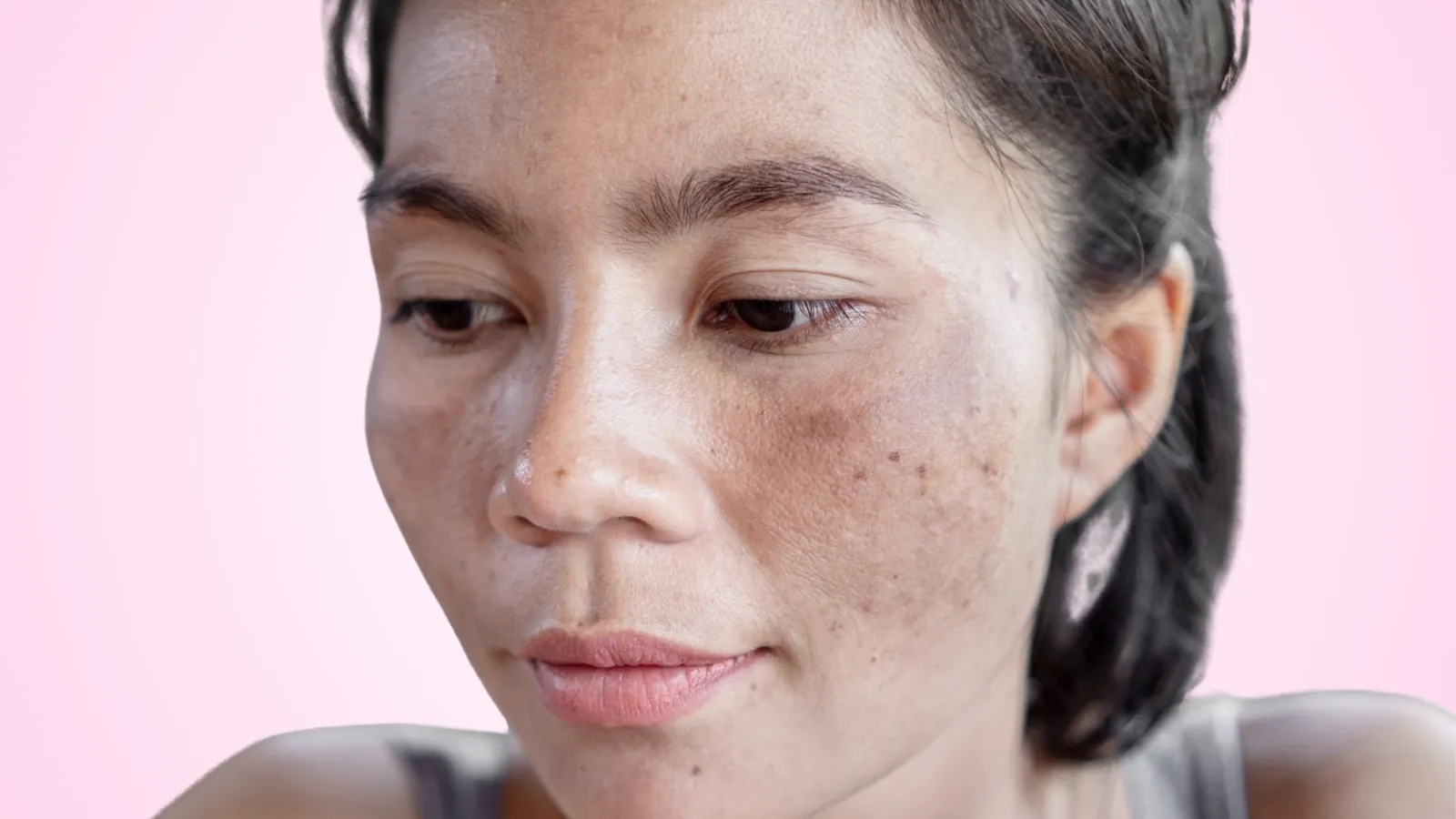
Hyperpigmentation is a medical word with one meaning: an area of skin holding extra pigment. It is flat, and it is tan, brown or grey. Blemish is a beauty word, and it is loose. Most of the time it means a pimple, and the rest of the time it means any mark at all — so a dark spot is a blemish too, but a fresh pimple is not hyperpigmentation.
What the word means
It describes a colour, nothing else. Freckles, sun spots, melasma and the brown marks left by acne are all hyperpigmentation.
Not a medical term. Product labels use it for pimples, blackheads, dark spots, scars and general unevenness.
Can you feel it
Hyperpigmentation is flat. Run a fingertip over it and it feels the same as the skin around it.
When people say blemish out loud, they usually mean a raised, inflamed spot they can feel.
What colour it is
Pigment sitting deeper in the skin looks greyer. A fresh mark can be pink or red before it settles to brown.
A pimple is red or pink while it is active. The brown shadow it leaves behind afterwards is hyperpigmentation.
How long it lasts
Marks left by inflammation fade over three to twelve months. Sun spots do not fade at all.
An ordinary pimple runs its course in under a week. A deep, painful one takes longer and is more likely to leave a mark.
What makes it worse
Ultraviolet light darkens nearly every kind. Spots that keep returning in the same place keep feeding new marks.
Squeezing pushes the contents deeper and makes the inflammation worse. It is the main reason a three-day spot becomes a three-month mark.
What it needs
There is no one treatment, because there is no one cause. Naming the kind decides everything that comes after.
A fading cream works well on a settled mark. It loses to a spot that keeps coming back in the same place.
What people usually mean when they say blemish
Nine times out of ten, a blemish is a pimple: It is the polite word — the one used on packaging, in adverts and by people who would rather not say zit.
The rest of the time it means any visible mark: A scar, a brown patch, a broken capillary, a rough patch. Because the word covers all of that, it tells a dermatologist almost nothing on its own.
That is not a flaw in the reader: It is a flaw in the word. "Blemish" was never a diagnosis, so no amount of searching it will produce one.
Where the two words overlap
A pimple often turns into hyperpigmentation: The spot heals, and a flat brown mark stays behind where it was. That mark is called post-inflammatory hyperpigmentation, and it is the single most common kind on acne-prone skin.
So the same patch of skin can be both, one after the other: A blemish first, then a dark mark. That sequence is why people search for both words in the same week.
Deeper skin tones hold those marks longer: More pigment is available to be laid down, so the same spot can leave a mark that takes many months to fade.
Why the word matters when you are shopping
A "blemish" product is almost always an acne product: Expect salicylic acid, benzoyl peroxide or sulfur. Those clear spots. They do very little to a brown mark that is already there.
A pigment product is a different aisle: Vitamin C, niacinamide, azelaic acid, arbutin, kojic acid and retinoids fade marks. They will not clear an active breakout.
Buying the wrong one is the usual reason nothing happens: If your complaint is brown marks with no active spots, an acne wash is not going to shift them.
The four kinds of hyperpigmentation people mean
Post-inflammatory marks sit exactly where a spot used to be: They fade over months, faster with sunscreen and slower if the area keeps getting picked.
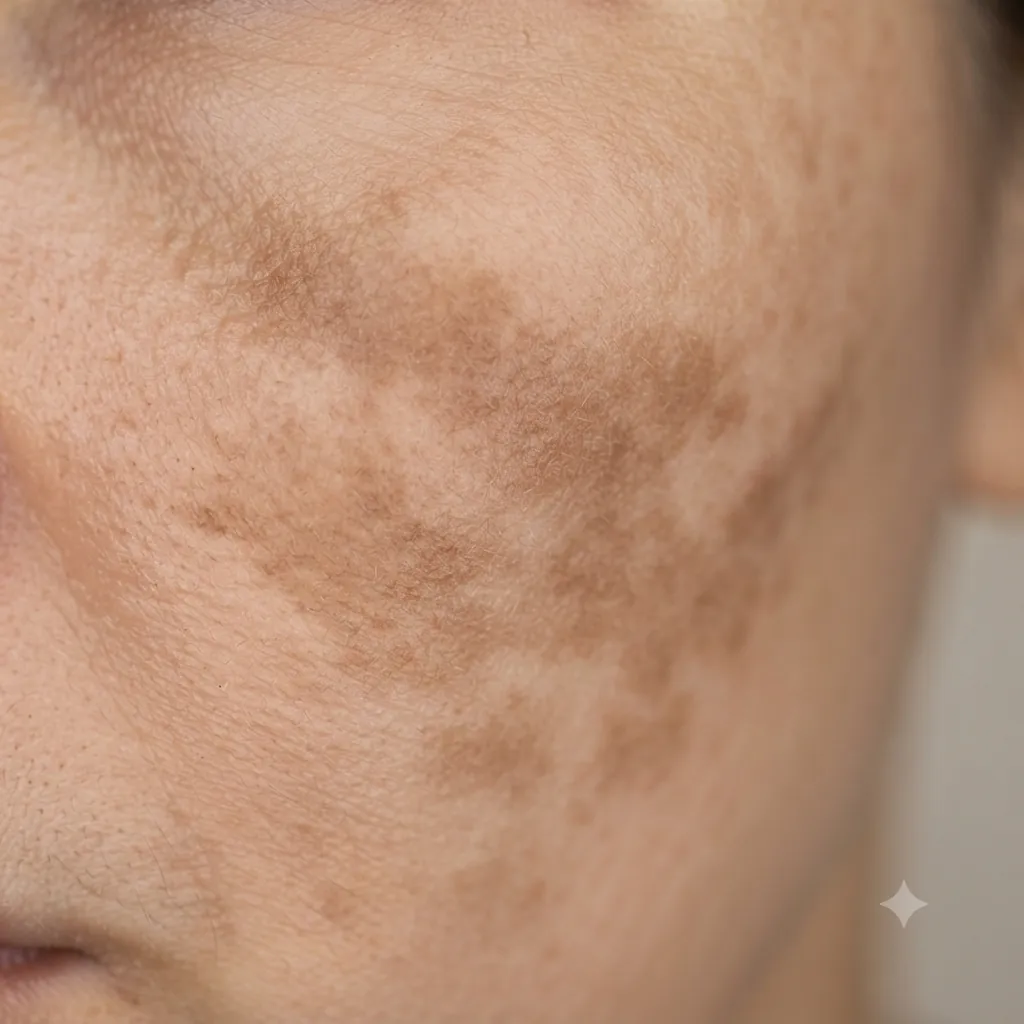
Melasma is a broad patch with soft edges, usually mirrored across the face: It is driven by sun, heat and hormonal changes, and it fades and returns rather than clearing.
Sun spots are separate spots with sharp edges on skin that has had years of sun: They do not fade in winter and do not clear on their own.
Freckles are small flat dots that darken in summer and lighten in winter: They run in families and need nothing at all.
See a doctor if
A dark mark keeps spreading despite daily sunscreen
One spot looks clearly different from all the others around it
A spot bleeds, itches, crusts or will not heal
Painful deep lumps keep appearing and leaving marks behind
Brown marks are building faster than they fade
You are not sure which kind of pigment you have before starting treatment