IPL vs Microneedling
IPL treats colour. It flashes broad-spectrum light at the skin to fade brown spots and calm redness, and it does almost nothing for texture. Microneedling treats texture. It uses needles to build collagen, which improves acne scars and rough skin, and it does nothing for brown spots. These two are not really rivals, and many people end up having both.
What touches your skin
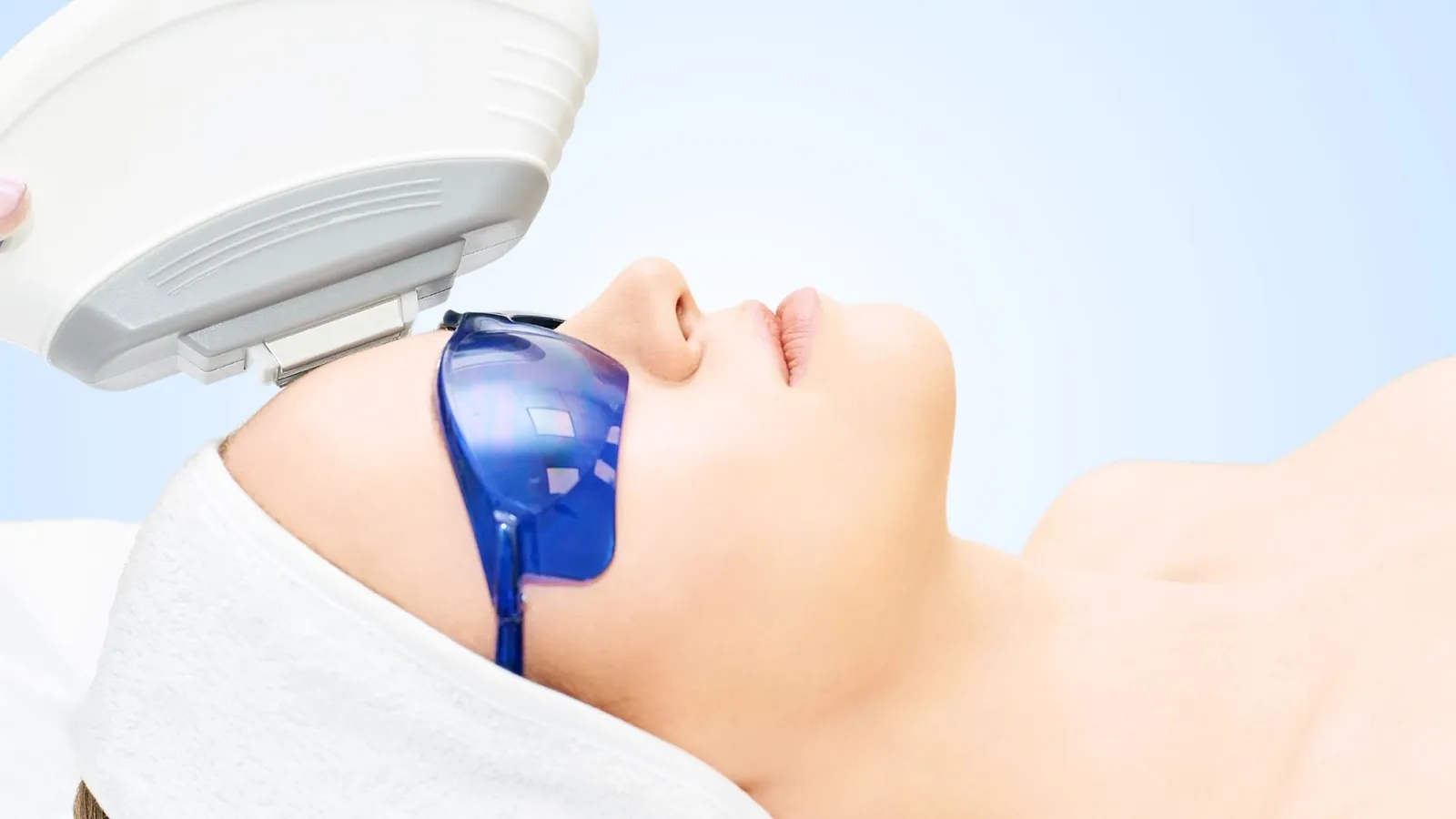
The light is absorbed by pigment and by blood vessels. Heat then breaks up the spot or seals the vessel.
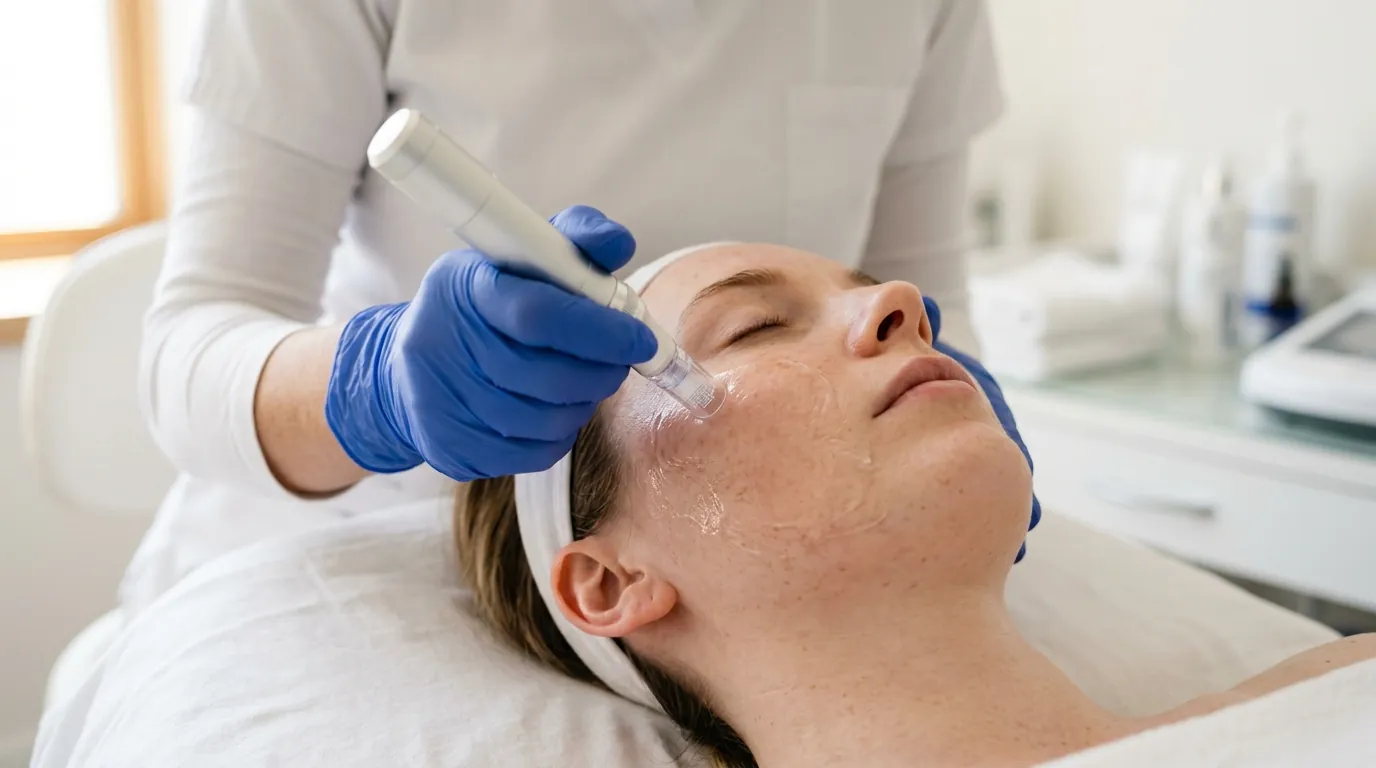
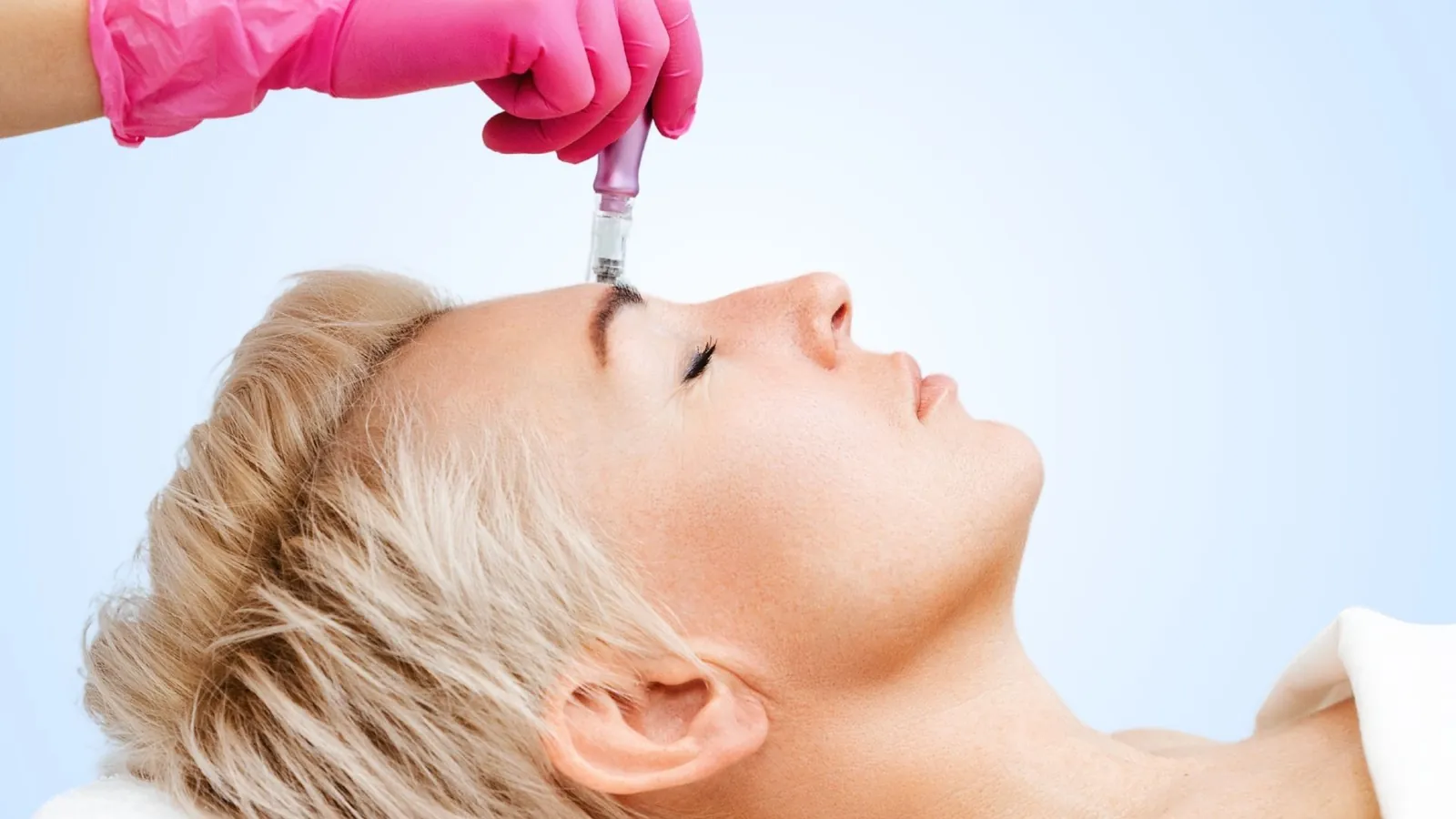
The needles puncture past the epidermis into the dermis, the layer where collagen is made. Healing those small wounds is what builds new collagen.
What it is best at
Sun spots, freckling, broken capillaries and the flushed look of rosacea.
Rolling and boxcar acne scars, open pores and general roughness. This is where the published evidence sits.
What it will not do
IPL works on colour, not on shape. A scar that you can feel with a fingertip will still be there afterwards.
Needling works on shape, not on colour. Sun spots and visible vessels are untouched by it.
What you will see
Treated spots go coffee-coloured for about a week, then shed. Redness fades more gradually.
Change builds over months as new collagen forms. Deep, narrow icepick scars improve least.
How long until it works
Usually three to five sessions, four to six weeks apart.
A course is three to six sessions, about a month apart.
How long it lasts
Sun exposure is what ends it. New pigment arrives every summer.
New collagen stays, but skin keeps ageing.
What it feels like
Bright, hot flashes. You wear eye shields. A full face takes 20 to 30 minutes.
Numbing cream first. The forehead and the jawline are the tender spots.
Downtime
Dark flecks are visible for about a week, then flake away.
Redness for one to three days, then light flaking.
Skin tone
The light aims at pigment and cannot tell a sun spot from naturally rich skin. Burns and pale or dark patches are the risk.
Needling has no pigment target at all. That is why it is often the first choice for deeper skin tones.
Cost
Prices vary widely with the clinic and the machine. Ask for the full course price.
Ask for the price of the whole course.
The at-home or drugstore version
Home IPL is real IPL, but it runs at a fraction of clinic power and is sold mainly for hair rather than facial pigment. Expect slow, partial change.
Home rollers use short, blunt needles that dull quickly and are hard to keep clean. They pierce enough to inflame skin, not enough to remodel it. A reused roller is the most common way people pick up an infection from needling.
Who each suits
Colour and texture are two different complaints
Look at your skin and decide which one is bothering you: Brown patches, freckling and flushing are colour problems. Indents, roughness and open pores are texture problems.
IPL only fixes the first list: The light is absorbed by pigment and by blood, and heat then clears it. Nothing about that process changes the shape of the skin surface.
Microneedling only fixes the second list: It creates thousands of tiny wounds, and repairing them lays down new collagen. Nothing about that process removes a sun spot.
Most people who ask this question need both
Sun-damaged skin usually has colour and texture problems at once: That is why clinics often plan IPL for the spots and needling for the surface, in separate courses.
They are not usually done on the same day: One heats the skin, the other injures it. Most clinics leave a few weeks between them, and treat the more bothersome problem first.
Skin tone changes the answer more than anything else
IPL carries genuine risk on deeper skin tones: The light cannot distinguish an unwanted brown spot from the pigment that is naturally present all over. When the whole skin absorbs the energy, you can get a burn or a patch that heals lighter or darker than the skin around it.
Microneedling does not have that problem: There is no light and no pigment target. Skin of any tone can darken after inflammation, so settings still matter, but the mechanism behind laser and IPL burns is simply not present.
A test patch is the single best protection with IPL: Ask for one, particularly if your skin tans easily or if you have melasma.
Nobody has compared them head to head
IPL has a long record for pigment and redness. Microneedling has a long record for acne scars: No trial has put one against the other, and neither record tells you much about the other treatment's job.
Before you book
Point at the thing that bothers you and say whether it is a colour or a shape. That answers the question.
Ask for a test patch before IPL, and do not book it within a few weeks of a sun holiday.
Ask for the cost of the full course, not one session.
With deeper skin, ask the clinic directly how often they treat your skin tone.
If you have both complaints, ask which order they recommend and why.