Moxi Laser vs BBL
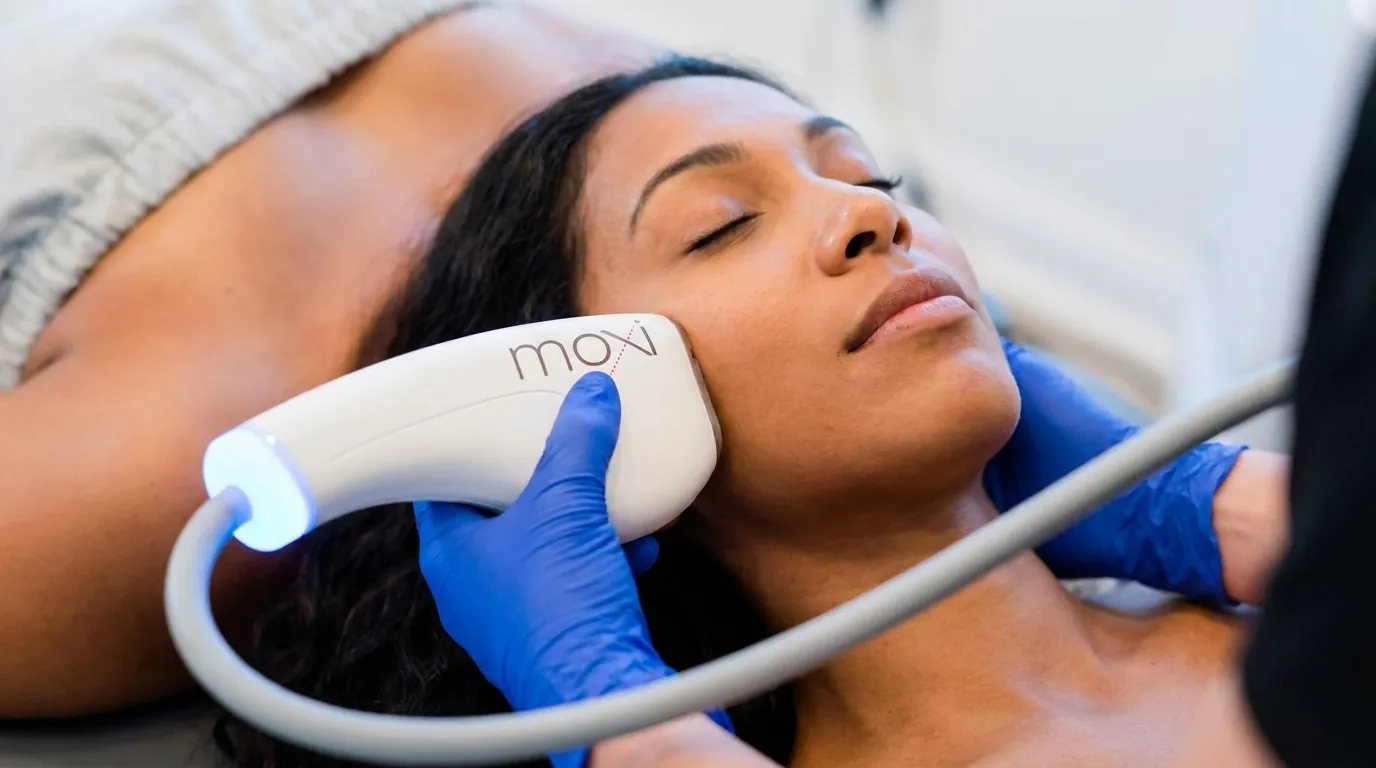
Moxi is a fractional laser, and it works on texture and tone. It heats thousands of microscopic columns in the skin, and the skin repairs them over about a week. BBL is broadband light, a brand of IPL, and it works on colour. Brown spots and broken capillaries are what it fades, which is why many clinics sell the two together in one visit.
What touches your skin
One wavelength, delivered in a grid of microscopic hot spots. The skin between the spots is left untouched, which is what makes healing fast.
A wide pulse of light across the whole treated patch. A filter picks which colours in the skin absorb it.
What it aims at
Moxi is absorbed by water, not by pigment. That is why it works on skin quality rather than on one spot.
The light is soaked up by brown pigment and by the red in a vessel. Those two targets heat up and break down.
What it is best at
Rough skin, patchy colour, early sun damage and marks left after spots.
Sun spots, freckling, broken capillaries and the flushed look of rosacea.
What it will not do
Moxi is not a vascular treatment. Visible red vessels need light that targets blood.
BBL works on colour, not on surface texture. Any collagen change from repeat sessions is modest.
What you will see afterwards
Tiny dark flecks rise to the surface over a day or two, and the skin feels like fine sandpaper before they shed.
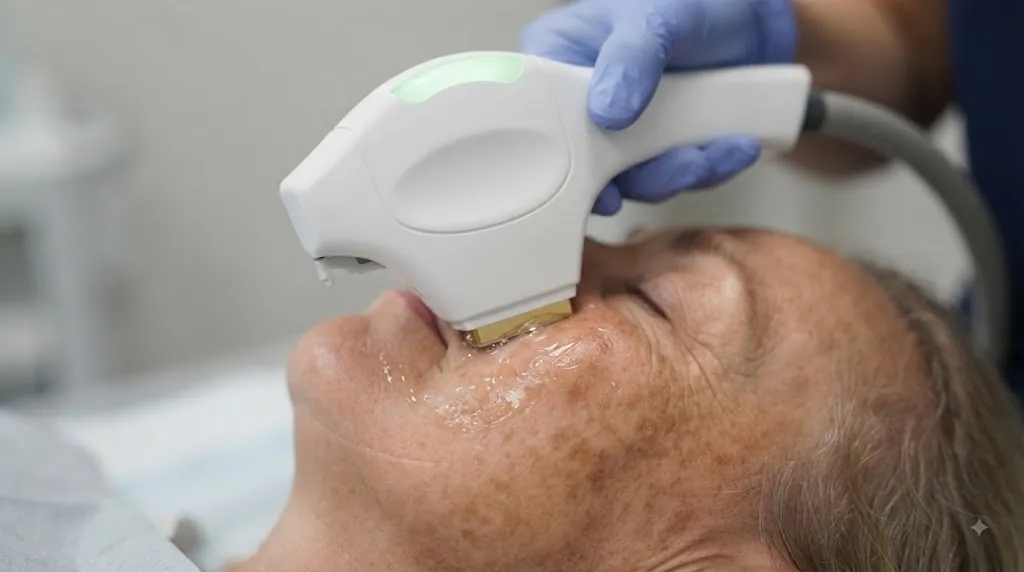
Treated brown spots go coffee-coloured for about a week, then lift away. Redness fades more slowly.
How long until it works
Most plans are three to four sessions, four to six weeks apart.
Usually three to five sessions, on similar spacing. Many people see a change after the first one.
How long it lasts
What it feels like
Numbing cream first. A full face is quick.
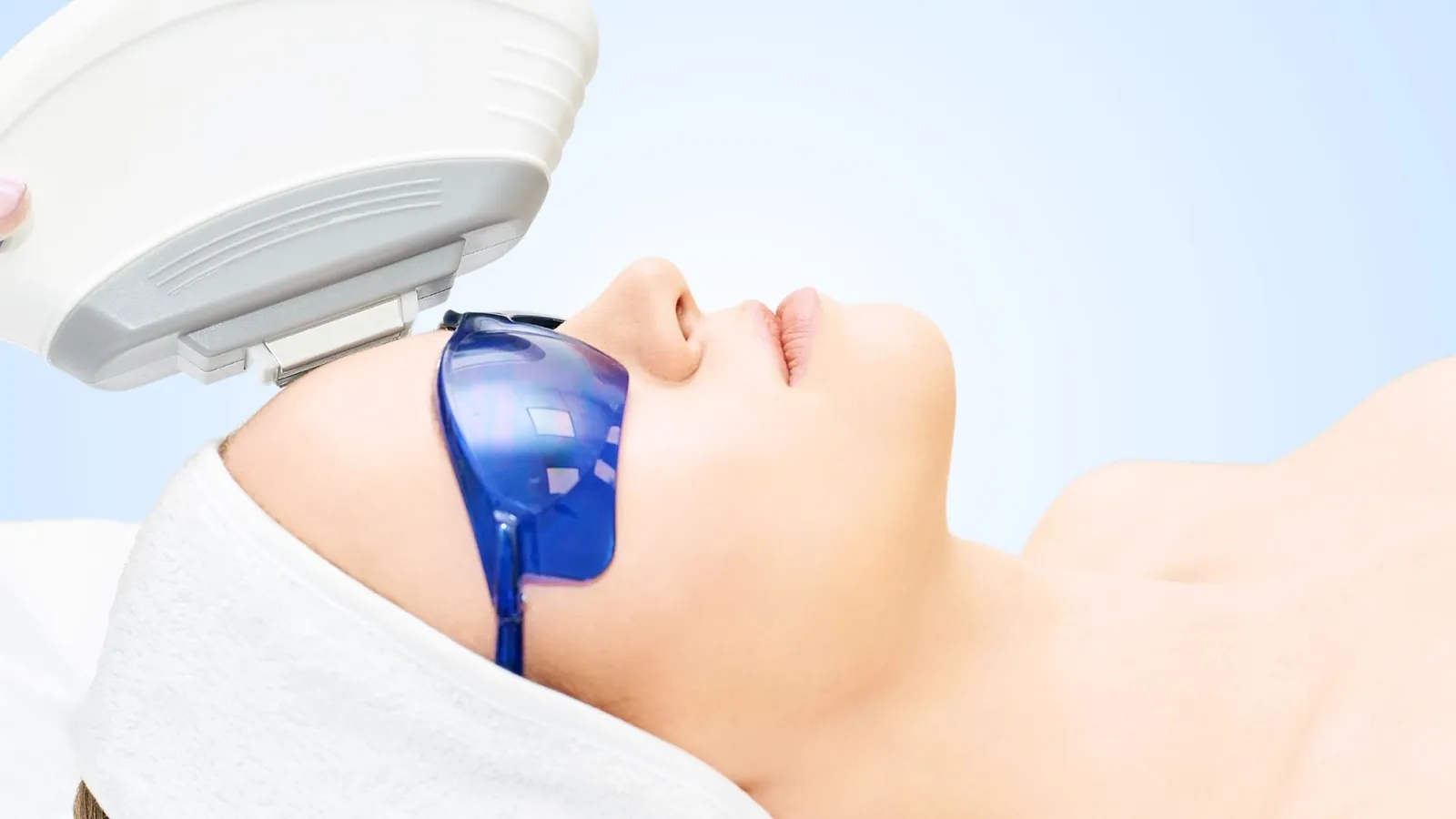
Bright, hot flashes with eye shields on. The handpiece has a chilled plate held against the skin.
Downtime
Pink on day one, then rough and flecked. Make-up sits badly on it.
Dark flecks stay visible for about a week, but the skin itself settles fast.
Skin tone
Because it does not seek out pigment, Moxi is used across more skin tones than most lasers. It is still light, so some risk remains.
Light cannot tell a sun spot from naturally rich skin. Deeper tones carry more risk of a burn or a patch of changed colour.
Cost
Ask what three or four sessions cost, not one.
Often quoted at a premium over generic IPL. Ask for the price of the full course.
The at-home or drugstore version
No home device makes fractional laser columns. Home "laser" wands run at a small fraction of the power and never reach the depth Moxi works at.
Home IPL handsets are real IPL. They put a fraction of the energy into the skin, are sold mainly for hair rather than facial pigment, and need many more sessions for a partial result.
Texture or colour is the whole decision
Pick Moxi if what bothers you is how the skin looks overall: Dull, uneven, a bit rough, generally tired. Moxi resurfaces a fraction of the surface at a time and lets the rest heal it.
Pick BBL if what bothers you is a specific colour: A brown patch you could point to. A red cheek. A cluster of tiny vessels around the nose.
A simple test helps: If you would photograph a spot, BBL is closer. If you would photograph the whole cheek, Moxi is closer.
Why clinics offer them in the same appointment
The two do not overlap much, so they stack well: BBL clears the colour first, then Moxi resurfaces the skin that is left. Sciton, which makes both, sells the pair under its own name.
That is a real combination, not just a sales package: It also costs more and gives you the downtime of the stronger of the two. Doing them one at a time is a reasonable choice if you want to know which one did the work.
Skin tone changes the answer
BBL carries more risk on deeper skin tones: Its light is absorbed by pigment. When the whole skin is rich in pigment, the whole skin takes the energy, not just the spot you wanted treated. That can leave a burn or a patch lighter or darker than the skin around it.
Moxi carries less of that particular risk: It aims at water, so a deeper skin tone is not itself a target. It is still a laser, and any laser can leave a patch healing darker in skin that pigments easily.
Melasma is its own problem for both: Heat can make melasma worse whichever device delivers it. Say so before booking either one.
Nobody has compared them head to head
No trial has put Moxi against BBL: They are usually studied for different things, so there is little reason to run one. What we know is what each does in its own right: fractional resurfacing improves texture and tone, and broad-spectrum light clears pigment and vessels.
Before you book
Name your main complaint in one sentence. A colour points to BBL. The overall look of the skin points to Moxi.
Ask for a test patch if your skin tans easily. This is the single best protection against a burn.
Ask for the price of the full course, not one session.
Ask how many of your skin tone the clinic treats each week.
Do not book either one within a few weeks of a sun holiday, before or after.