RF Microneedling vs PRP Microneedling
RF microneedling adds heat. Radiofrequency energy passes down the needles into the deeper skin, which makes it the stronger option for laxity and deeper scars, with more downtime. PRP microneedling adds your own platelets. They are spun from a small sample of your blood and spread on the skin afterwards, aimed at faster healing and glow, with weaker evidence behind it. Both are built on the same base procedure, and a clinic can do both at once.
What is added to plain needling
Insulated needles carry radiofrequency energy into the dermis, so the skin is both punctured and heated.
Blood is drawn, spun in a centrifuge, and the platelet-rich portion is spread on the skin so it soaks into the fresh channels.
The base procedure, in both cases
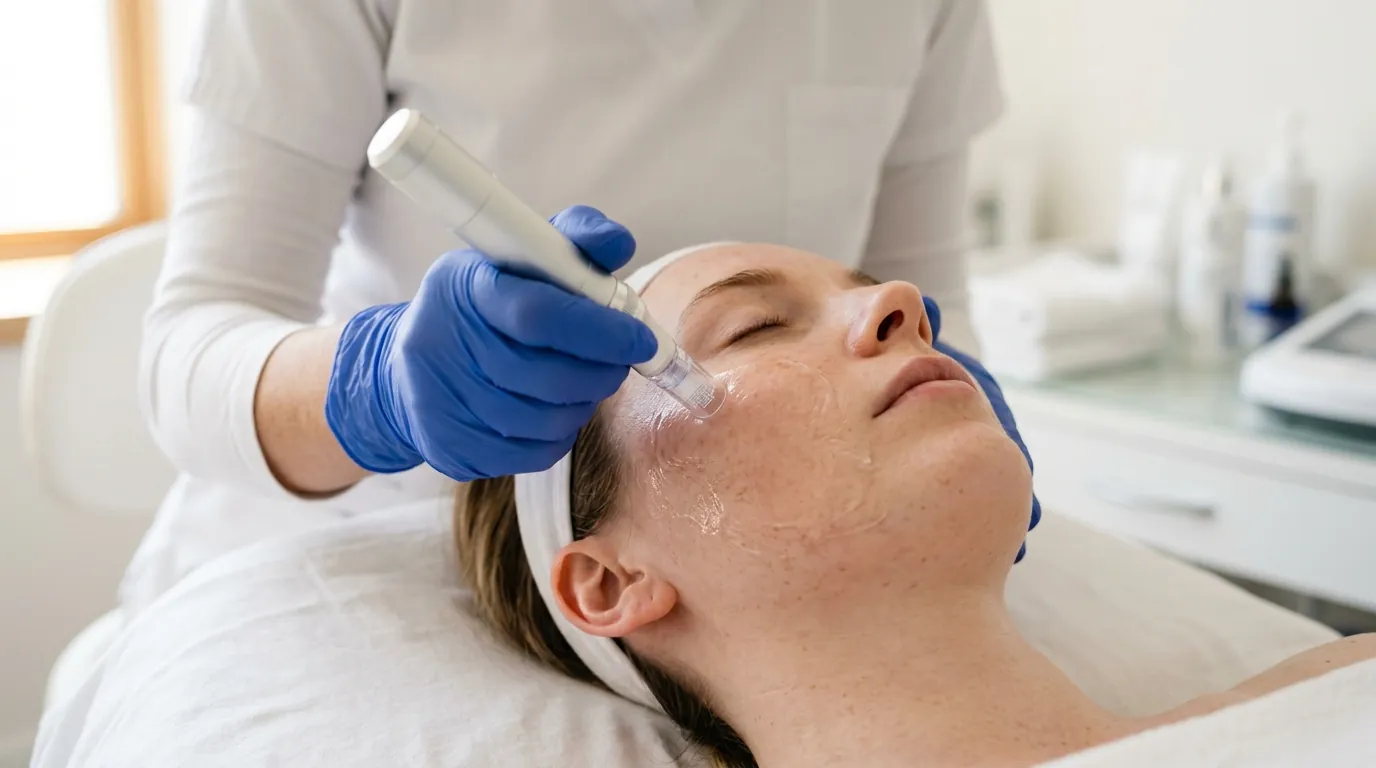
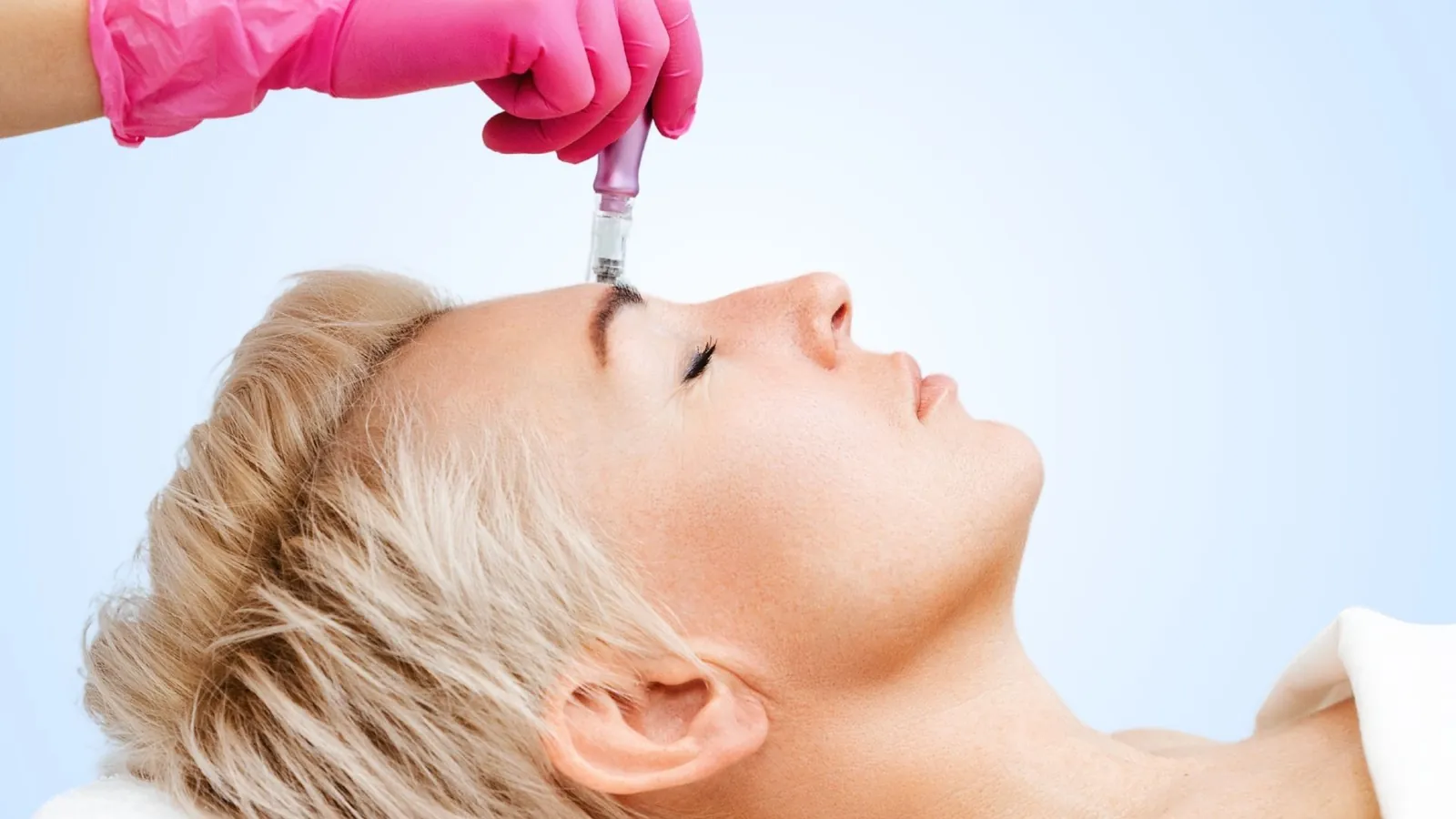
Steel needles puncture past the epidermis into the dermis, the layer where collagen is made.
Identical. Healing those tiny wounds is what builds new collagen in both treatments.
What it is best at
Mild sagging along the jawline, crepey skin and deeper acne scars. The heat is what reaches them.
Skin quality, brightness and a faster recovery from the needling itself.
What it will not do
Tightening from heat is real but modest. Heavy sagging needs surgery.
The platelets sit on the surface and soak in. They do not make the needles reach further or heat anything.
How long until it works
Collagen change from heat builds slowly. Usually three to four sessions, four to six weeks apart.
The same timeline as plain needling. A course is three to six sessions, about a month apart.
How long it lasts
What it feels like
Numbing cream first. The heat is the part people remember, especially along the jaw.
Numbing cream first as well. It feels like ordinary microneedling, plus a blood draw at the start.
Downtime
Marked redness and some swelling for one to three days, then dryness and light flaking. A faint grid pattern can show for a day or two.
Redness for one to three days, then light flaking. The same as plain microneedling.
The evidence behind it
Studied for acne scarring and skin tightening, with consistent if modest results.
Small studies, mixed results, and no agreed way of preparing the platelets. It may help, and it is not yet well established.
Skin tone
Radiofrequency is not absorbed by pigment, so it is generally considered usable across skin tones.
Also usable across skin tones.
Cost
Priced per session and sold as a course. Branded devices carry a premium.
Priced as the needling session plus a fee for drawing and spinning your blood.
The at-home or drugstore version
No home device delivers radiofrequency through needles into the dermis. Home radiofrequency wands warm the surface only.
Your blood has to be drawn and spun. A home roller with a serum is not a version of this, and rolling any product into broken skin is how infections start.
Who each suits
They are upgrades to the same procedure
Underneath both is ordinary microneedling: Fine needles puncture into the dermis, and the body repairs those punctures by laying down collagen. That is the engine in both.
RF changes the engine: Heat means the skin is not just wounded but warmed, and warmed collagen contracts and then rebuilds. That is the tightening effect plain needling does not have.
PRP does not change the engine: It adds a topping. Your platelets carry growth factors, and the theory is that they speed the healing already underway.
RF is the stronger one
Heat reaches deeper than needles alone: That is why RF microneedling is the one usually offered for mild laxity, crepey skin and deeper acne scars.
The cost is recovery and price: Expect marked redness and some swelling for one to three days, and dryness or flaking for up to a week. Sessions are priced higher, and it is still sold as a course.
PRP has the weaker evidence
The studies are small and the results are mixed: PRP has been looked at for acne scarring and skin quality alongside needling, and some studies show a benefit while others show little.
Part of the problem is that PRP is not one thing: Different centrifuges, spin speeds and preparation methods produce different products, all called PRP. That makes results hard to compare between clinics.
It is a reasonable add-on, not a reason to choose a clinic: At a small surcharge it is a fair thing to try. If it is the main reason a package costs much more, ask what it is expected to add.
They can be combined
Some clinics do RF microneedling and then apply PRP: The logic is straightforward: RF creates the deeper change, and the platelets help the skin recover from it. That combination costs more than either alone, and it has not been shown to beat RF by itself.
Before you book
Say what bothers you. Sagging or deeper scars point to RF. Skin quality and glow point to PRP.
Ask which device is used for RF and how deep they plan to set the needles.
Ask how the PRP is prepared and how much of the price it accounts for.
Ask for the cost of the full course, not one session.
Book RF with a clear week in your diary. The redness is more than most people expect.