Dermatologist's Take
Hydrocortisone is the weakest topical steroid you can buy, and for eczema flares, bug bites, and itchy irritated skin it works well. Use it once or twice a day for about one to two weeks at a time on the body, and be more careful on the face, eyelids, groin, and armpits, where thin skin absorbs much more. The rule that matters most: if a rash is not clearly better after about a week, stop and get it looked at rather than keep applying. Steroids make fungal rashes, rosacea, perioral dermatitis, and acne worse, and hydrocortisone can hide a fungal infection while it quietly spreads.
At a glance
- AKA cortisol, hydrocortisone acetate
- 0.5% and 1% (OTC) to 2.5% (Rx)
- Works with bland emollients
- Evidence: Strong for eczema, contact dermatitis & itch
What is it?
Hydrocortisone is a topical corticosteroid — a steroid cream that calms inflamed skin. It is the same hormone your adrenal glands make naturally, put into a cream, ointment, or lotion. It is the mildest steroid in wide use, which is why it is the only one sold without a prescription in the US: 0.5% and 1% over the counter, and 2.5% by prescription. It is a reasonable first step for eczema flares, contact dermatitis (a rash from something your skin touched), insect bites, mild irritant rashes, and plain itch.
How it works
Steroids switch down the immune activity in the skin that produces redness, swelling, and itch. That is all they do. Hydrocortisone treats the inflammation, not whatever is causing it — so if the cause is still there, or the cause is something a steroid feeds, the rash comes back or gets worse when you stop.
Subtypes
Concentrations
US topical steroids are ranked in seven potency classes, from class 1 (strongest) to class 7 (weakest) — and the gap is not small. The strongest prescription steroids are hundreds of times more potent than hydrocortisone, so "steroid cream" tells you almost nothing on its own; the specific drug and strength is what matters.
- 0.5% (OTC): The lowest strength sold. Fine for mild itch and delicate areas, but often too weak to settle a real flare.
- 1% (OTC): The usual choice, and the one most people mean by "hydrocortisone cream." Still class 7.
- 2.5% (Rx): Prescription only. Modestly stronger, still at the mild end of the scale.
- Cream vs ointment: Ointments are greasier and generally work a bit better on dry, thickened skin. Creams are easier to wear and better in skin folds.
Conditions it treats
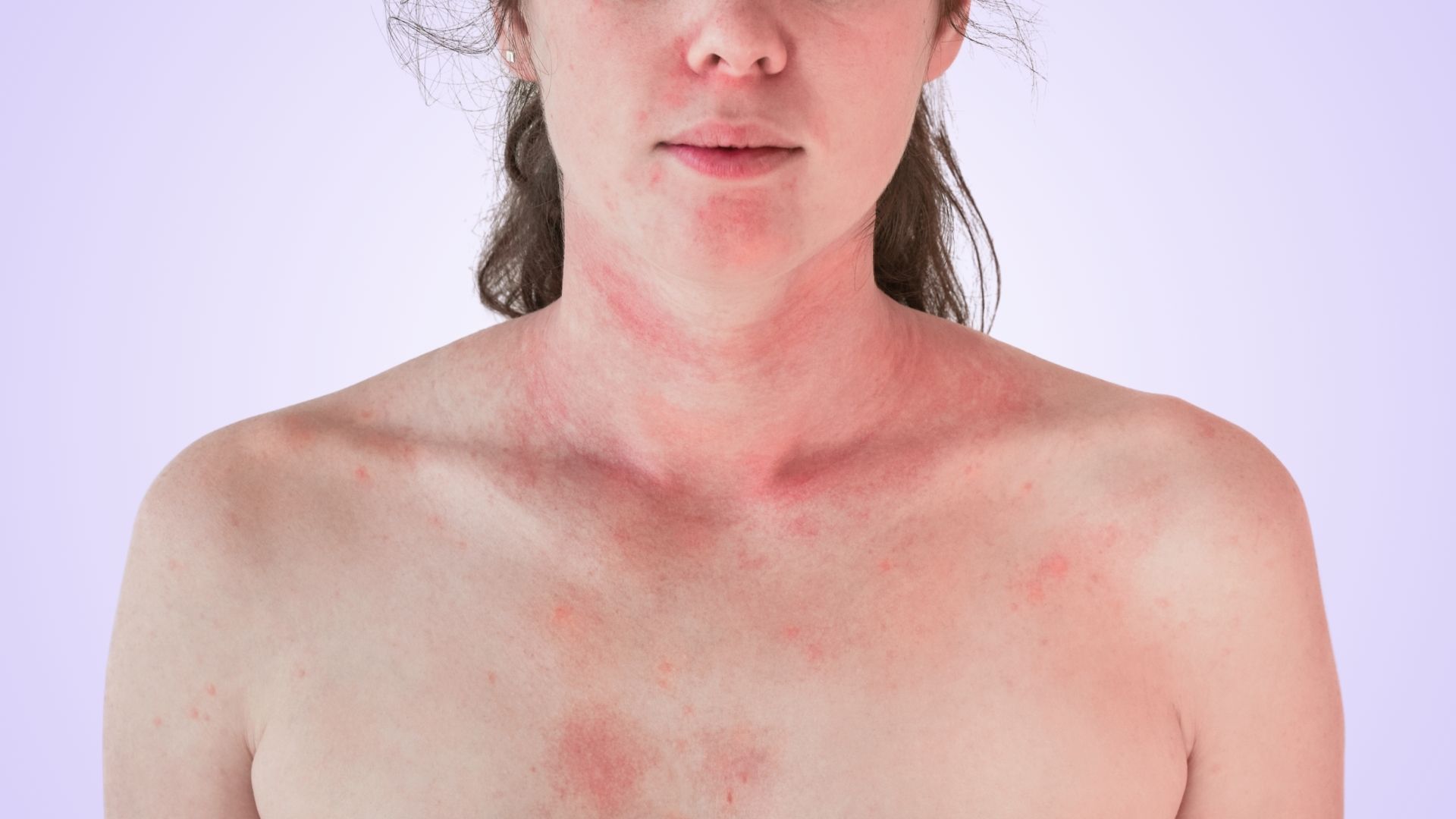


What to expect
Itch usually eases within a day or two, and a mild flare often settles inside a week. Apply a thin layer once or twice daily to the rash only, and use a bland moisturizer everywhere else.
How long to use it. Roughly one to two weeks at a time on the body, then stop. The over-the-counter label says not to use it for more than 7 days without a doctor's direction, which is a sensible default. If the rash is not clearly better after about a week, that is a signal to stop and get it looked at — not to keep going or go stronger.
Where to be careful. The face, and especially the eyelids, groin, and armpits, have thin skin that absorbs far more of the drug. Use it there sparingly, for shorter stretches, and ideally with a diagnosis first.
What long-term use does. Months of steroid use thins the skin, causes stretch marks, and leaves visible broken blood vessels. Some of these changes are permanent. This is a risk of long, unbroken use, not of a one-week course — but it is the reason the one-week check-in matters.
What it makes worse. Fungal infections (ringworm, athlete's foot, jock itch, yeast) look calmer on hydrocortisone while the infection spreads — a pattern called tinea incognito, where the rash loses its clear border and becomes hard to recognize. Rosacea and perioral dermatitis often improve at first, then rebound worse than the original problem when you stop. It can also aggravate acne.
Steroid allergy is a thing. Uncommon, but you can become allergic to the steroid molecule itself. Suspect it when a rash gets worse the more you treat it.