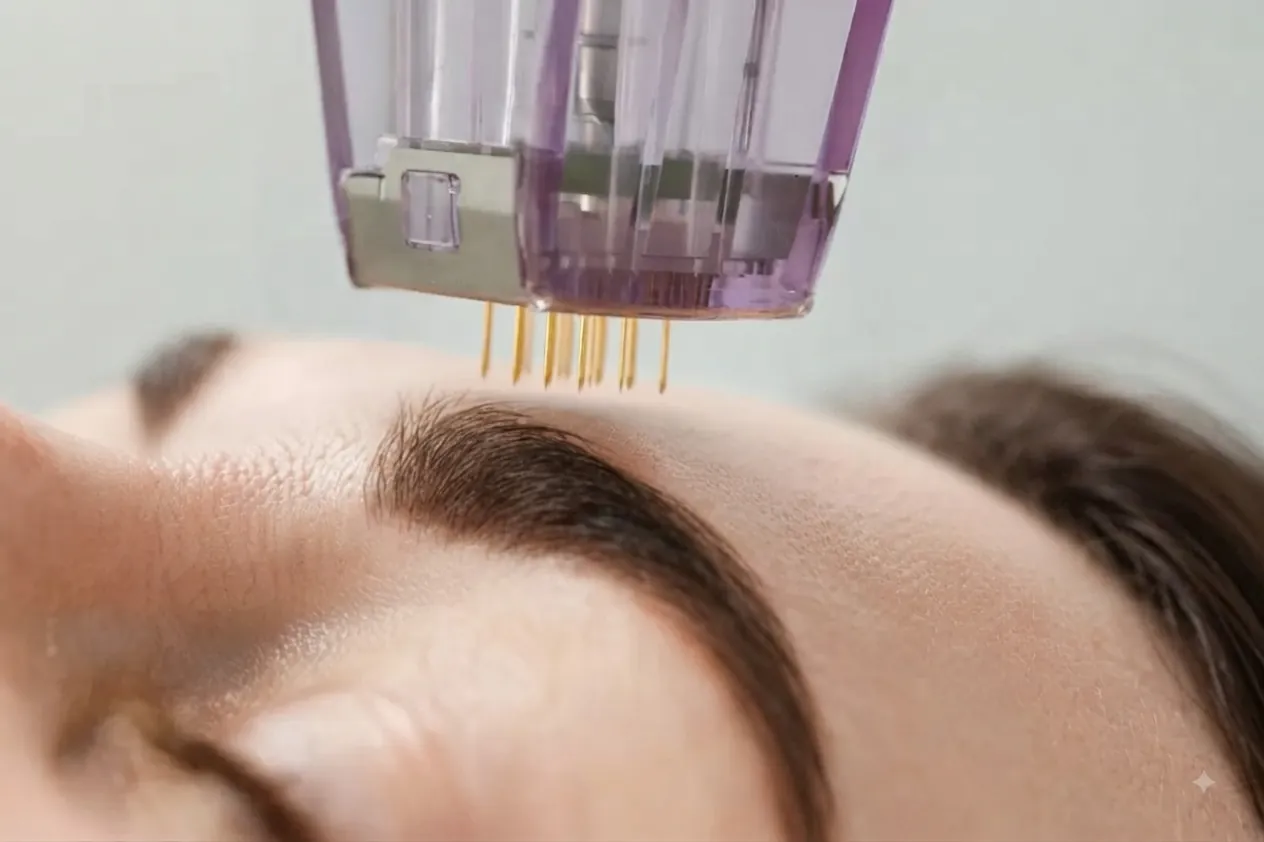
Moxi vs Halo Laser
Moxi is the light one. It is a gentle resurfacing laser aimed at early pigment, dullness and upkeep, given as a course of three or four sessions with a few speckled days each time. Halo is the strong one. It does far more for sun damage, texture and fine lines in one or two sessions, and it costs you about a week of peeling. Both are made by the same company, and many clinics own both, so the real question is how much recovery you can give up.
What it does to your skin
One wavelength, absorbed by water very close to the surface. Nothing is removed. Damaged pigment is carried up and shed.
One removes a thin layer of surface skin in each column. The other heats deeper without removing anything. The skin in between is left alone to heal the rest.
How strong it is
It is sold as prevention and maintenance, and it is designed around a short recovery.
More energy, more depth, more result, and a longer wait to look normal.
What it is best at
Freckling, patchy tone, marks left after spots, and skin that has lost its brightness.
Established sun spots, uneven colour, crepey skin and general roughness, all in one go.
What it will not do
The energy stops near the surface. Deep indents need something that reaches further down.
The energy is concentrated in the upper layers. A soft jawline is not its job.
How many sessions
It is a course, and it is often repeated once or twice a year.
The treatment takes about half an hour after numbing.
Downtime
Pink on day one, then a sandpaper feel and tiny dark specks that flake away. Make-up is usually fine after a day.
Red and hot for two to three days, then rough and flaking for several more. Make-up sits badly on it.
What you will see
The change is real and modest. It builds across the course rather than arriving at once.
Sun spots lift and shed, tone evens out, and the skin looks glossier. Fine lines soften too.
How long it lasts
New pigment arrives every summer, so most people repeat once or twice a year.
Sun exposure is what undoes it. New spots appear if you stop wearing sunscreen.
Skin tone
It is one of the gentler lasers and is used across a wide range of skin tones. Any laser can still leave a patch that heals darker or lighter.
The same risk, larger. On deeper skin tones the settings have to be dialled back and the gaps lengthened.
Cost
Usually sold as a package. Ask what three or four sessions cost, not one.
One or two sessions, so the total is easier to pin down.
The at-home or drugstore version
No home device makes fractional laser columns. Home light wands put a fraction of the power into the surface and work by a different mechanism.
The gap is bigger still. A retinoid, vitamin C and daily sunscreen fade sun spots slowly, and they are the honest home comparison for both.
Who each suits
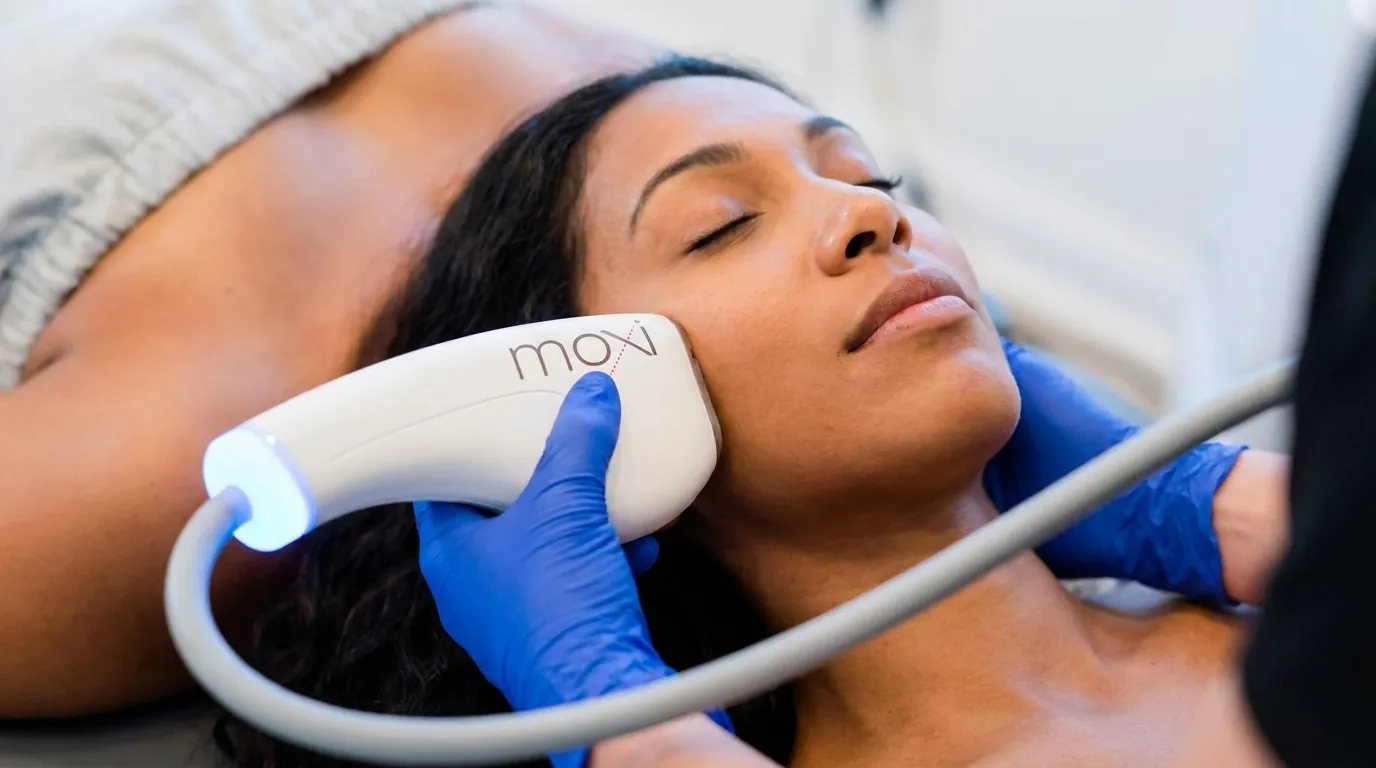
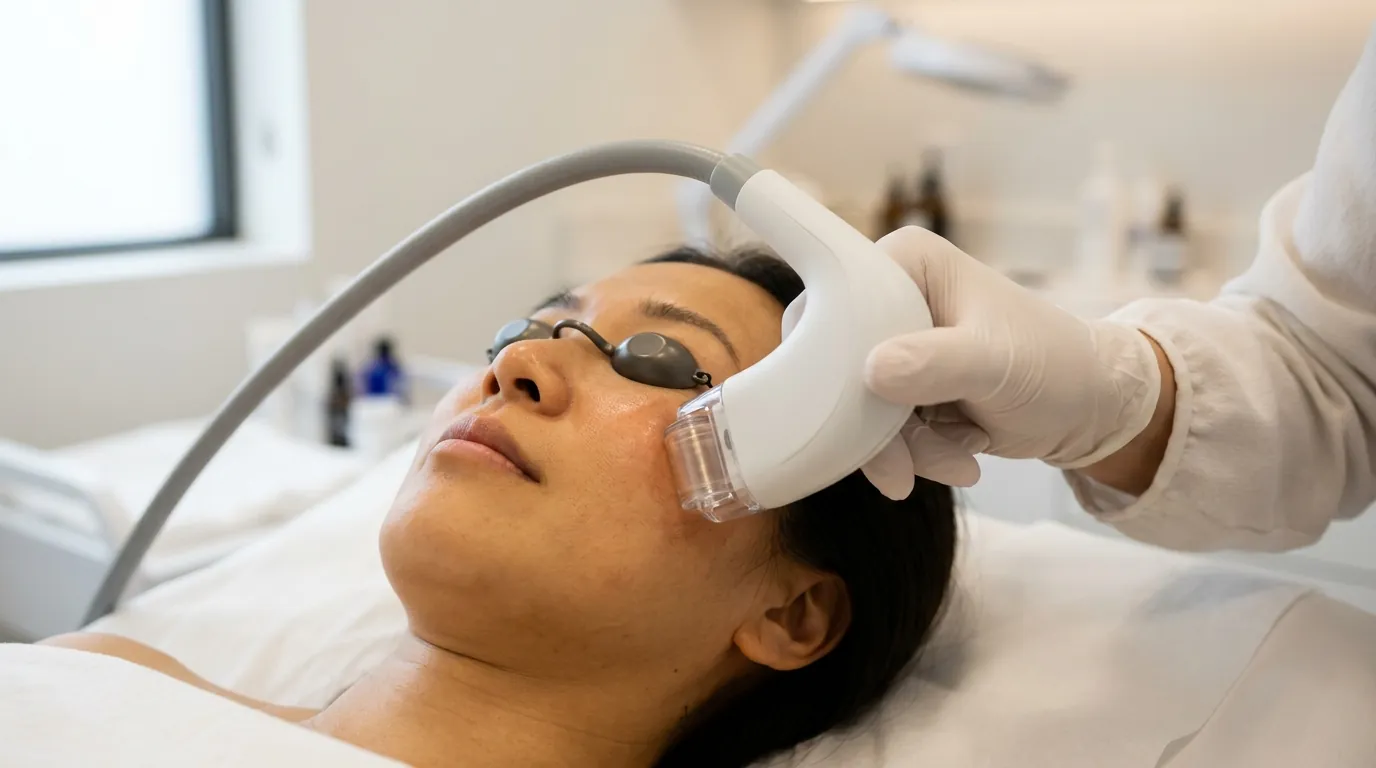
Two strengths of the same idea
Both lasers work the same way: Each one treats a fraction of the surface in tiny columns and leaves untouched skin in between. That untouched skin is what makes the recovery survivable.
Moxi keeps its energy near the top: Its wavelength is absorbed by water very close to the surface, so it works in and just under the epidermis. That is where early pigment sits.
Halo adds a second wavelength that removes surface skin: Because a thin layer is actually taken away in each column, more happens per session, and the healing is more involved.
The week is the real decision
Moxi gives you speckled days: For three to five days the skin feels like fine sandpaper and carries tiny dark flecks that flake off. Most people work through it.
Halo gives you a peeling week: Two to three days red and hot, then several more days of shedding. Most people want that week clear of anything social.
Ask yourself which you can actually schedule: A treatment you keep postponing does nothing for your skin.
Which one for which problem
Moxi suits skin that is starting to change: Faint freckling, patchy tone, a general dullness in photographs. It also works well as upkeep between bigger treatments.
Halo suits skin with real sun damage: Established brown spots, crepey texture and fine lines that have been building for years.
Halo also does more per session for texture: Because it removes a little surface skin, it reaches roughness and fine lines that Moxi mostly leaves alone. Many clinics own both and use a Halo session as the reset, then Moxi once or twice a year to hold it.
Skin tone
Both put light into the skin, so both interact with pigment: The main risk with any laser is a patch healing darker or lighter than the skin around it.
The lower-energy option is the safer starting point: That points to Moxi on deeper skin tones, or to Halo at reduced settings with longer gaps.
Say it plainly at the consultation: Ask how often the clinic treats skin like yours, and ask to see their own photos rather than the manufacturer's.
Before you book
Say how many days you can afford to look treated. That answer usually picks the laser for you.
Ask what the whole plan costs, including any follow-up sessions.
Do not book either one close to a sun holiday.
If you have melasma, say so before any laser. Heat can make it worse.
If you get cold sores, mention it at booking rather than on the day.